
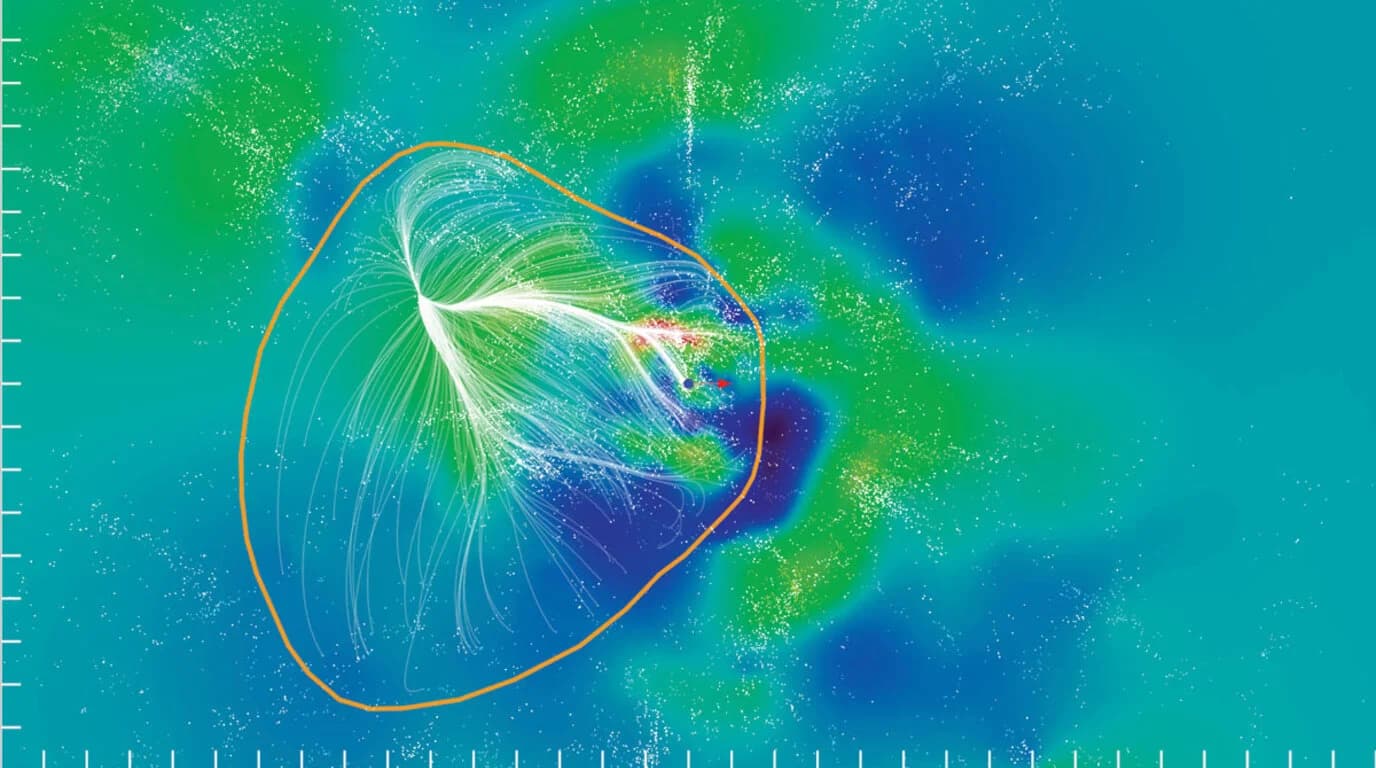
01Size529 million lyDist317 million ly
Laniakea Supercluster
The supercluster of galaxy clusters our Milky Way lives inside.
SuperclusterCosmos
Loading…
Our local galaxy cluster — one of thousands in the universe.
NASA / Hubble Heritage Team — M87
Virgo Cluster Andromeda Distance from Earth
21.3×
farther from Earth
Distance from Earth
53.9 million ly
Virgo Cluster is roughly 21.3× farther from Earth than Andromeda.
Picture this
A galaxy cluster is so wide that light needs around fifteen million years just to cross it — longer than the entire time the human genus has existed on Earth.
By weight
A typical galaxy cluster weighs as much as a few thousand trillion Suns — and most of that mass, again, is dark matter rather than stars.
The Virgo Cluster is the dense centre of our local galactic neighbourhood — around 1,300 galaxies bound together by gravity, spread across a region 15 million light-years wide and about 54 million light-years from us. The Milky Way and Andromeda sit on its outskirts. Larger clusters exist: the Coma Cluster holds over 1,000 galaxies in a denser concentration, and the Phoenix Cluster is one of the most massive ever measured. Past the cluster scale, structures stop being gravitationally bound and stretch into superclusters.
Did you know?
Galaxy clusters in our neighbourhood are all being pulled toward an unseen mass concentration — the so-called Great Attractor — sitting at the heart of the Laniakea Supercluster.
Last updated 2026-10-04
You are here
Scale
Our local galaxy cluster — one of thousands in the universe.
Size
15.0 million ly
Tap a dot to preview it. Use the Open stop link to read its full page. Stops are arranged from smallest on the left to largest on the right.
The supercluster of galaxy clusters our Milky Way lives inside.
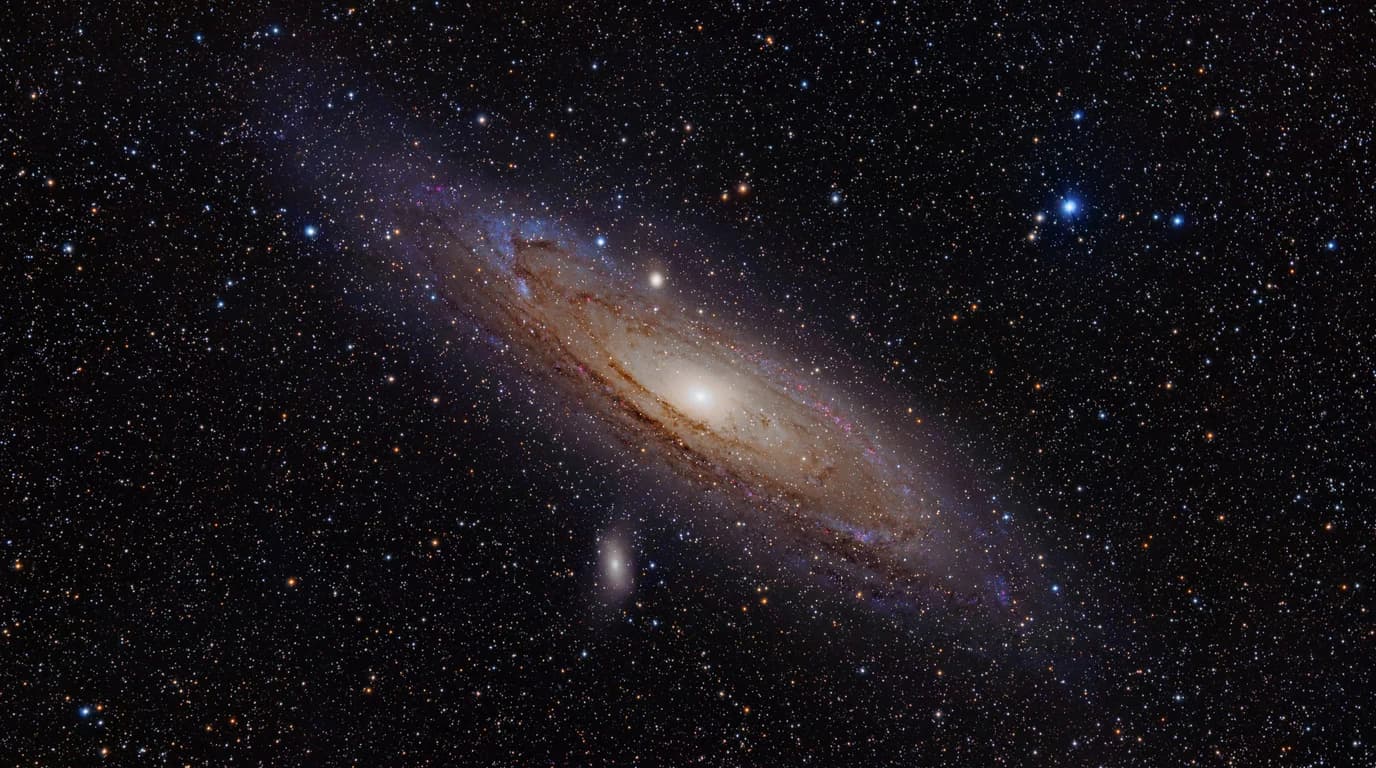
Our nearest large galactic neighbour — and our future collision partner.
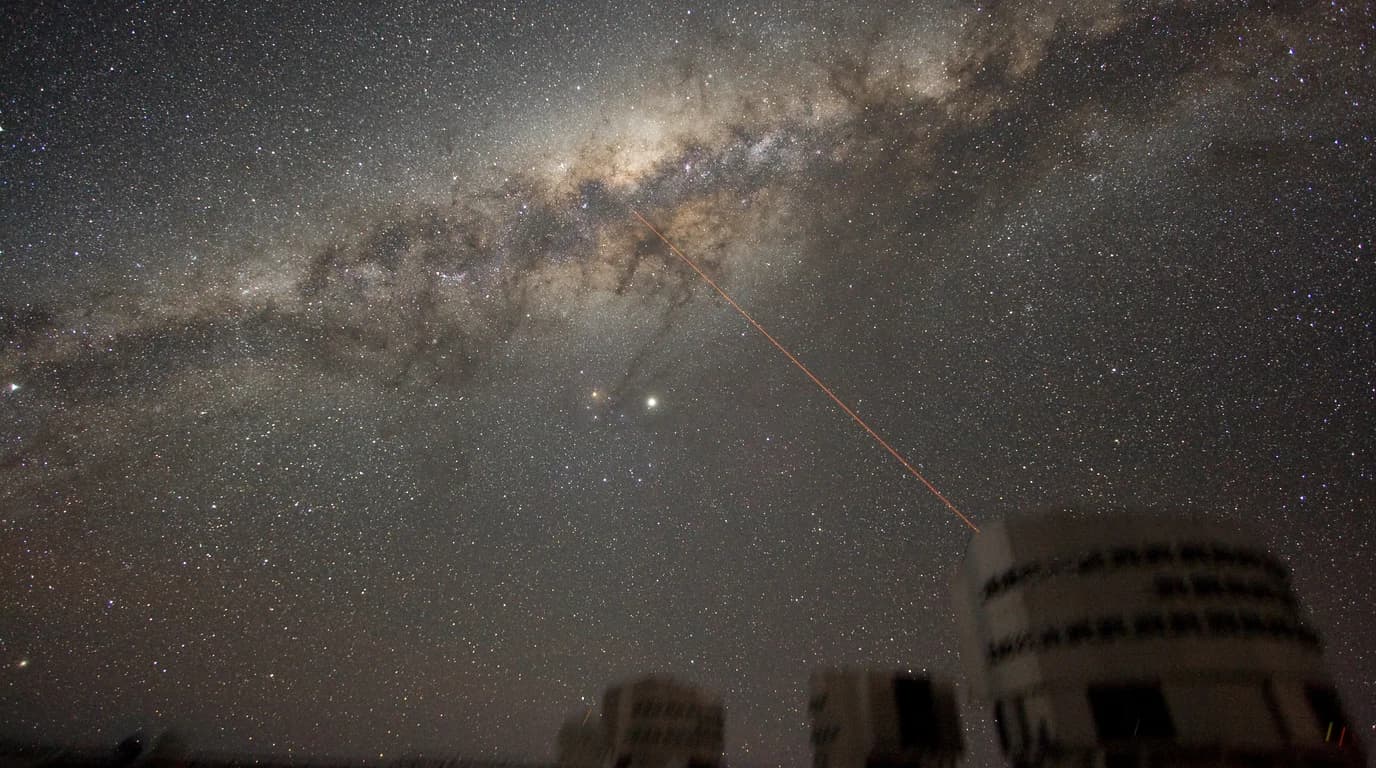
A spiral of roughly 200 billion stars — including ours.