
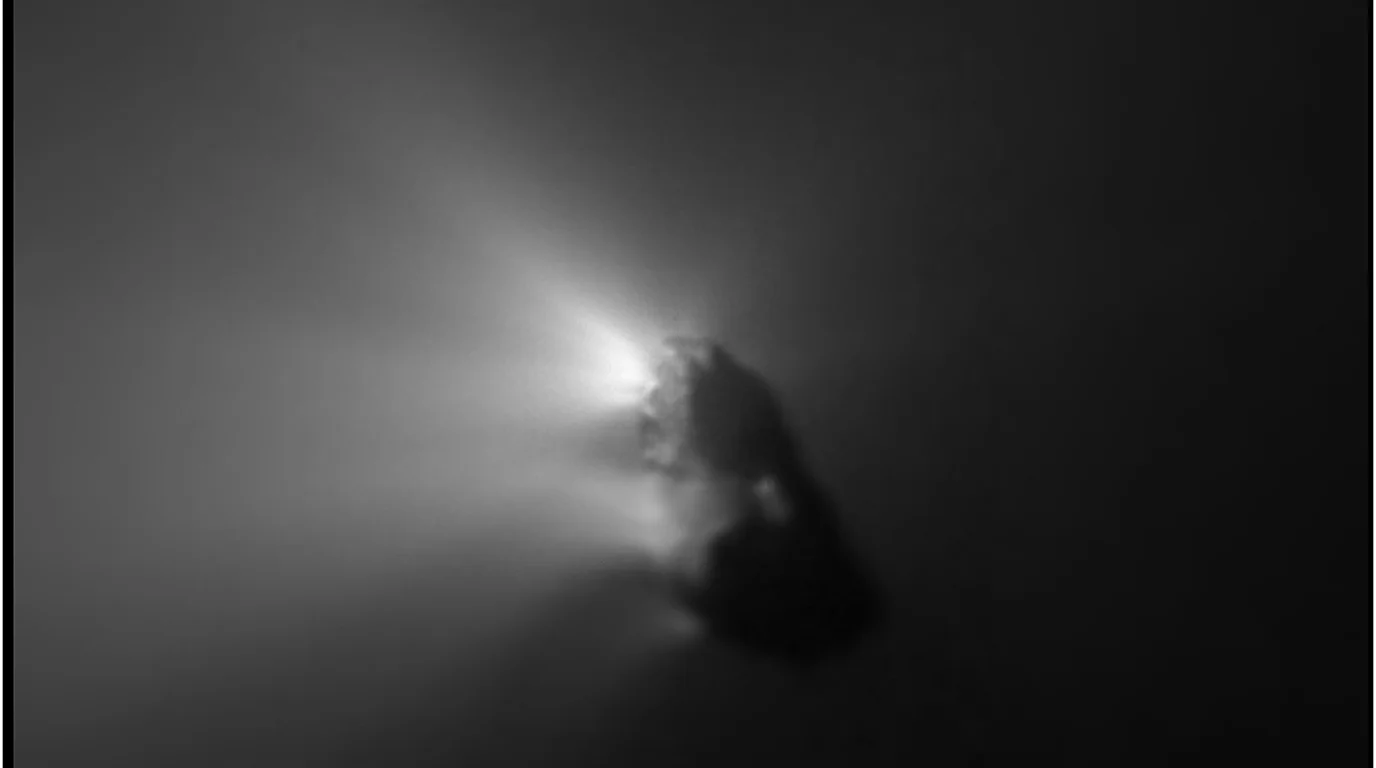
01Size11 kmDist5.30 billion kmTemp100 K (-173 °C)
Halley's Comet
An icy visitor that returns every human lifetime.
CometCosmos
Loading…
Category
Galaxies, stars, neutron-dense corpses, and the dark side of the universe — the largest scales we can observe.
The universe at every scale beyond the ground beneath your feet — planets, stars, galaxies, and the largest gravitationally bound structures we know how to find. About two-thirds of every stop on Quantumaire lives here, because the cosmos is where orders of magnitude start to do real work. The Cosmos category also collects the abstractions that hold it all together: dark matter, dark energy, the cosmic horizon.
28 stops
An icy visitor that returns every human lifetime.
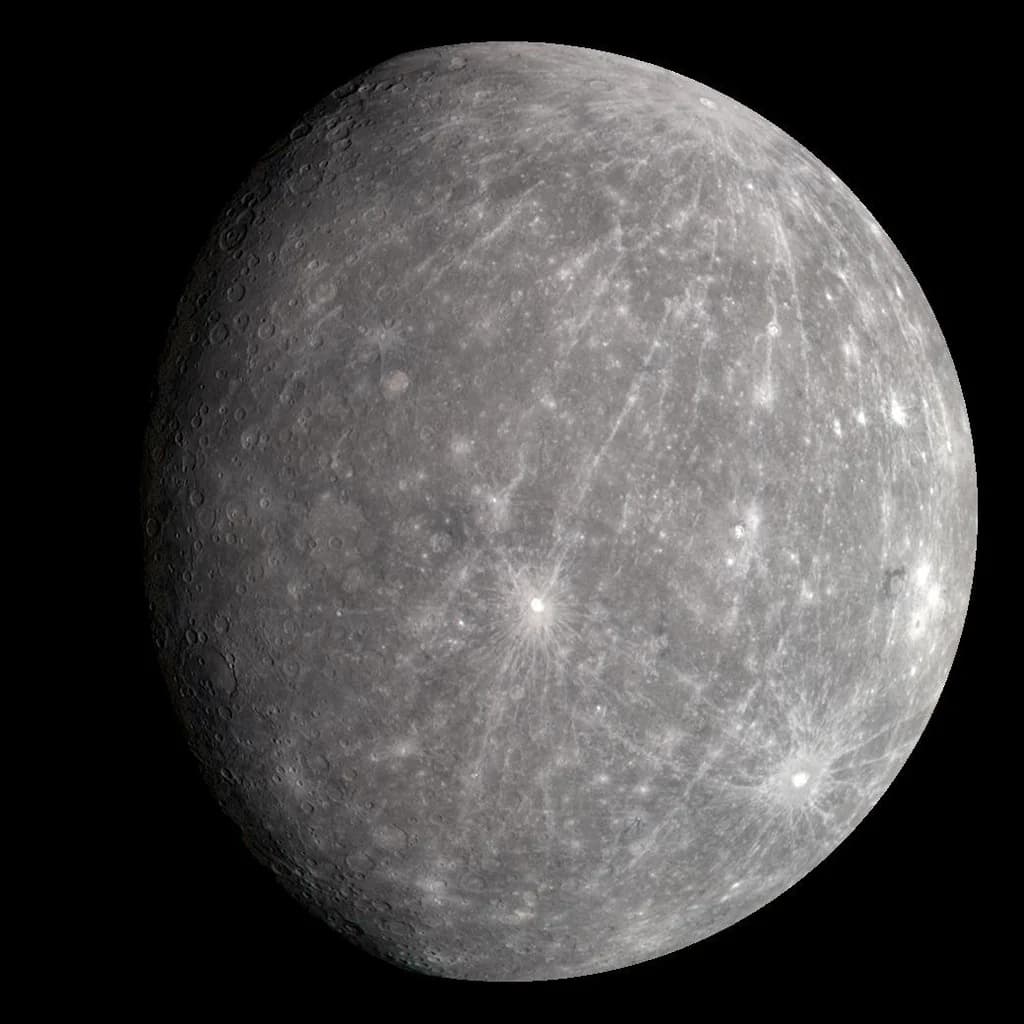
The innermost planet — a cratered world of impossible extremes.
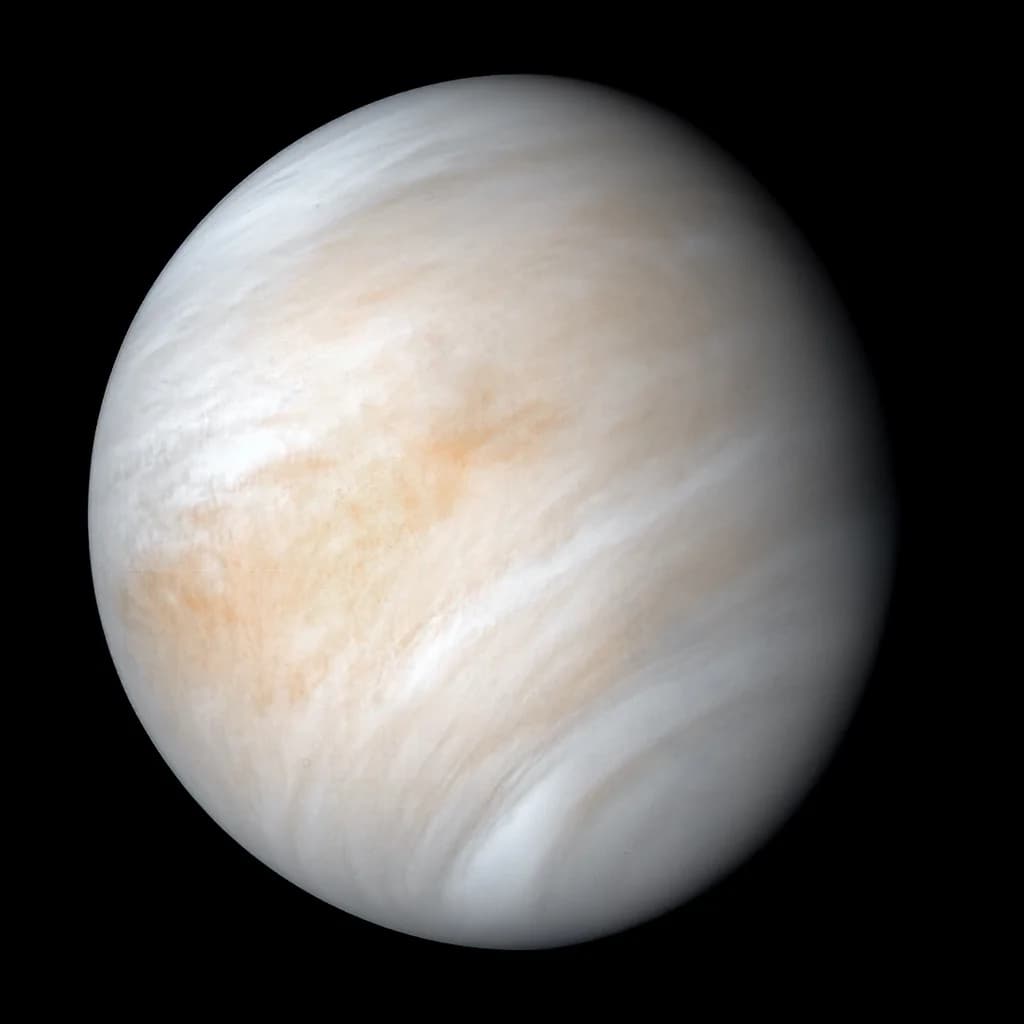
Earth's twin in size — and its opposite in everything else.
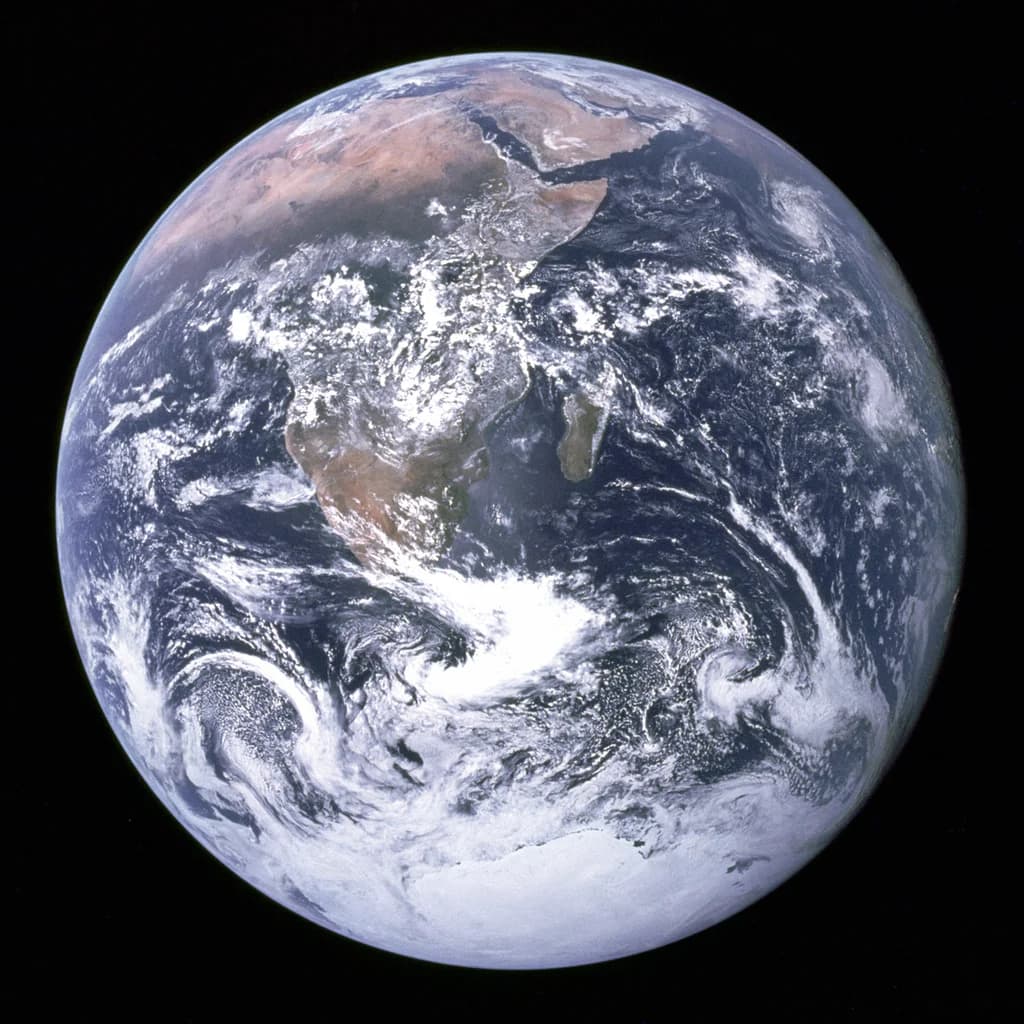
Our reference grain of sand.
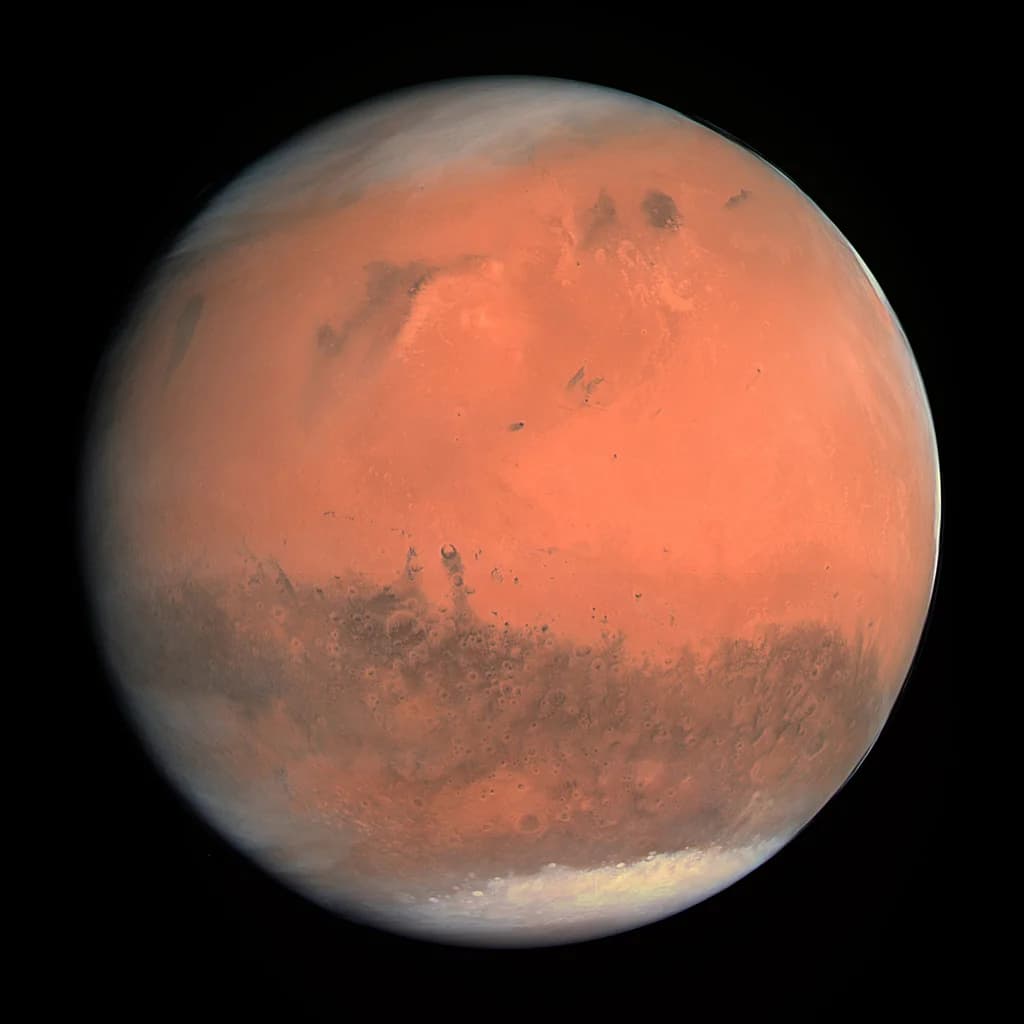
Earth's red neighbour — and our best shot at a second home.
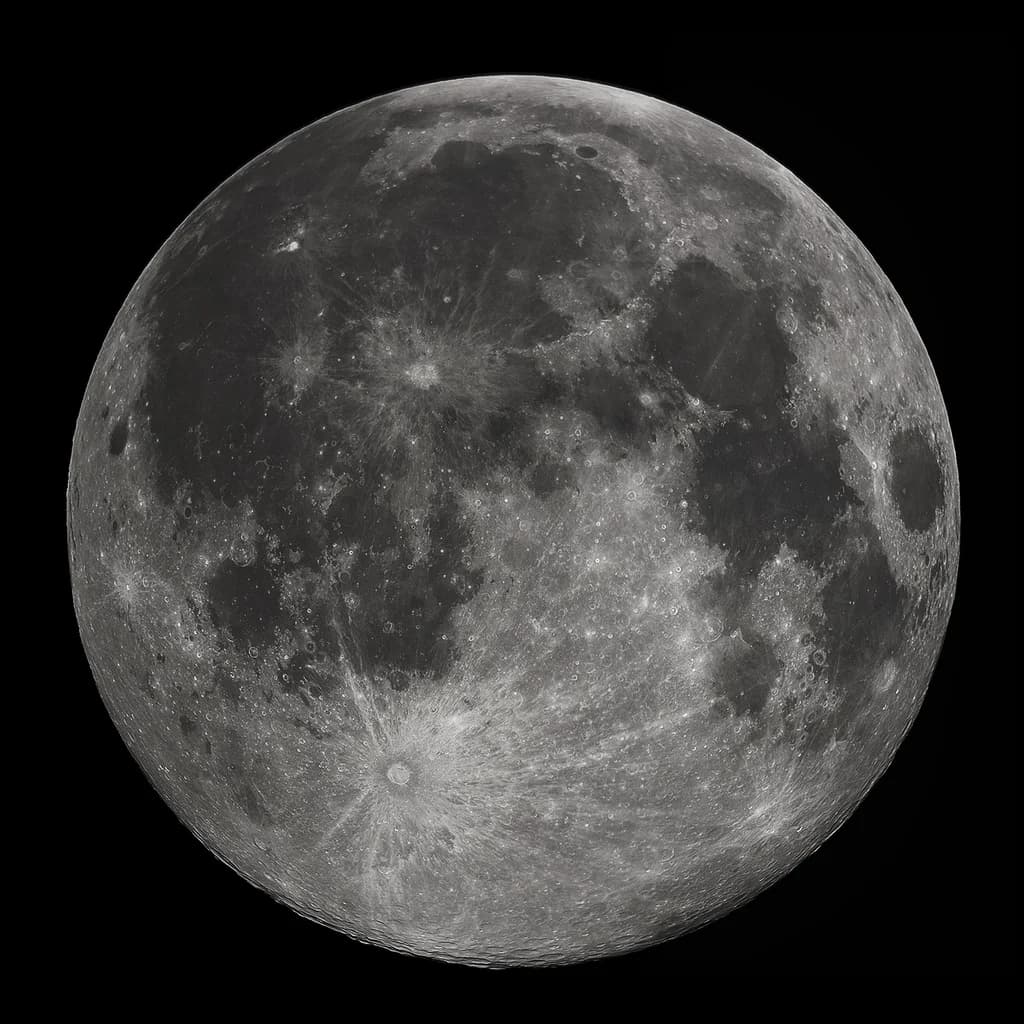
Earth's only natural satellite — locked to us forever.
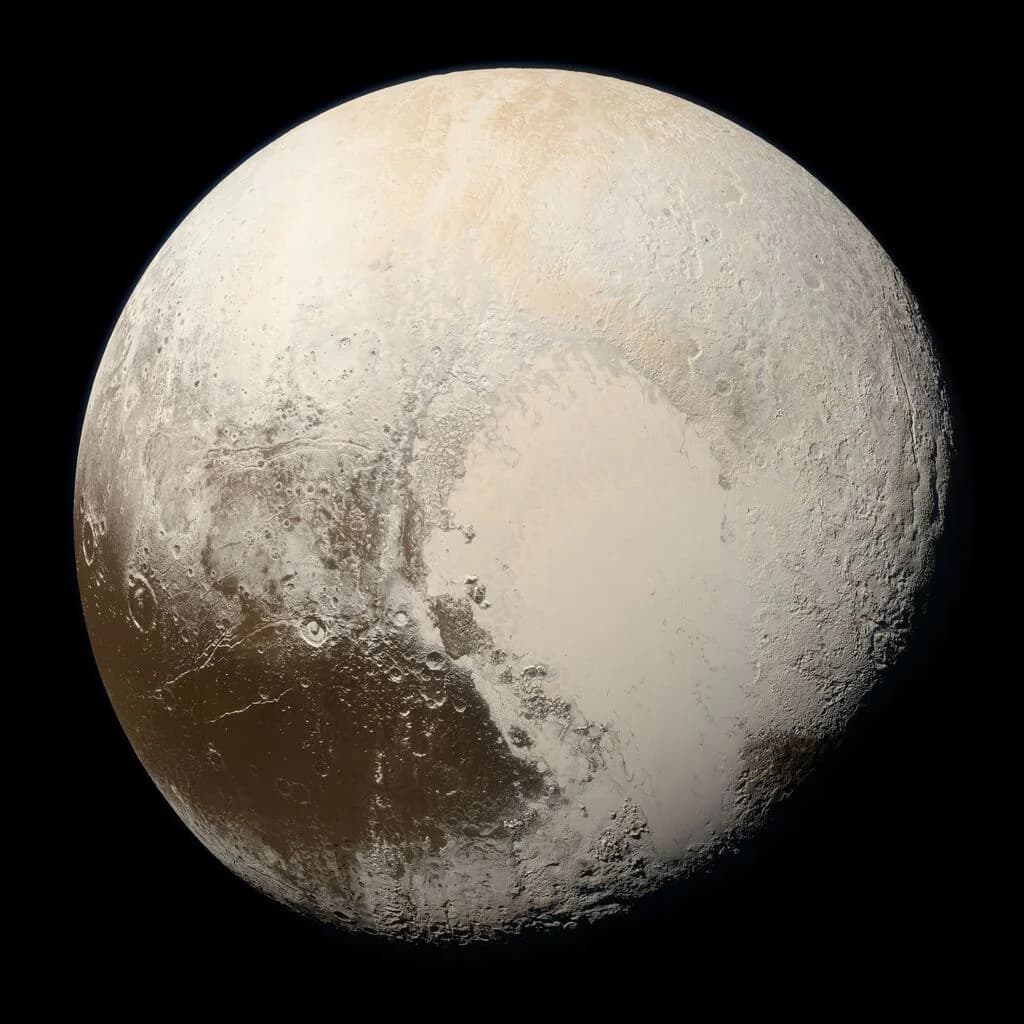
The dwarf planet that taught the Solar System has an outer layer we'd missed.
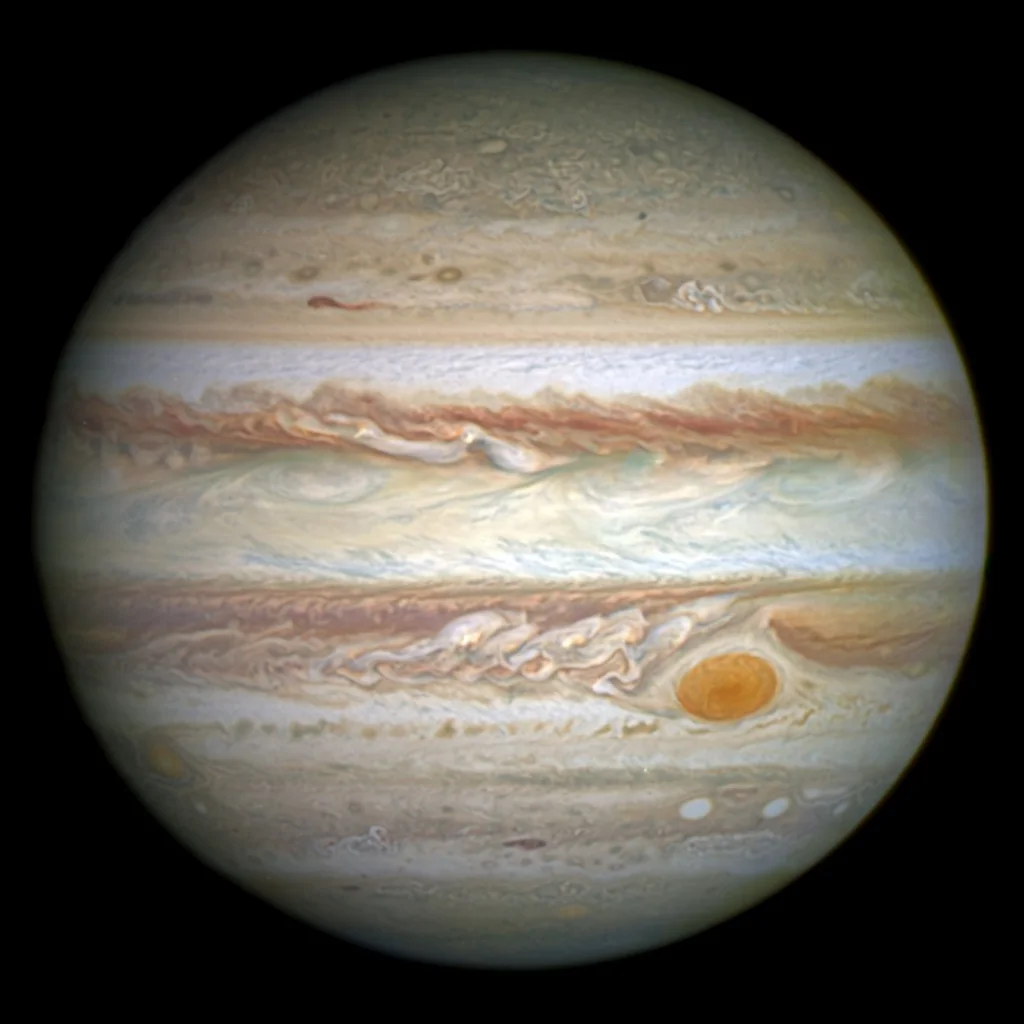
The Solar System's largest planet — a failed star, almost.
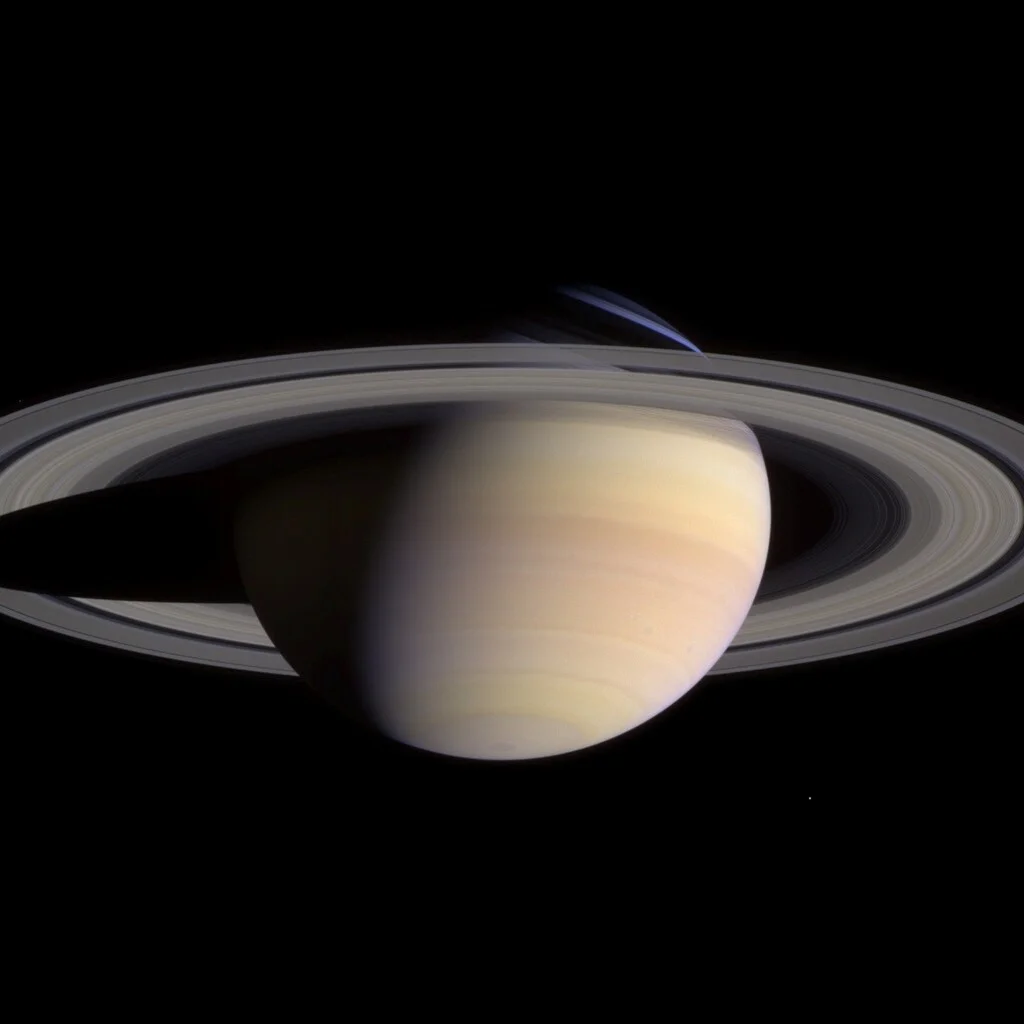
The Solar System's signature image — a gas giant with rings.
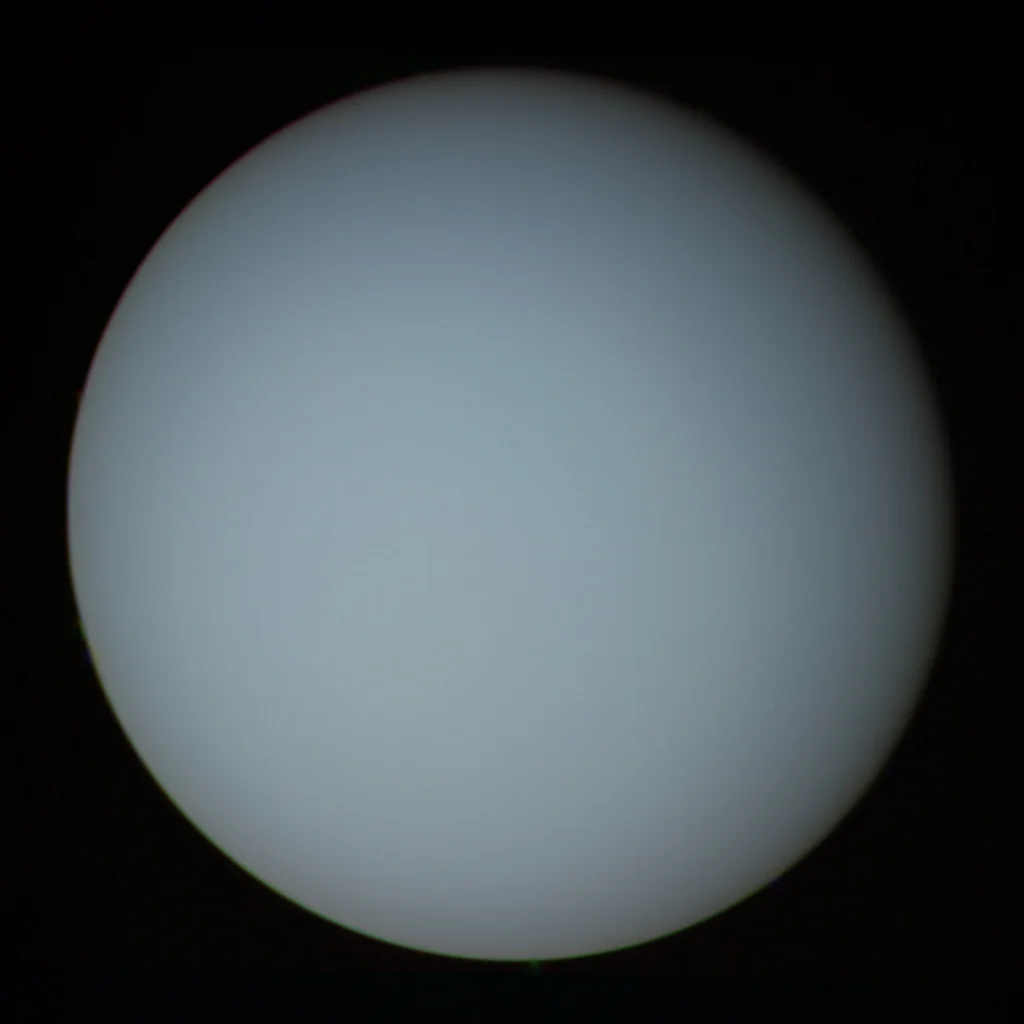
An ice giant tipped on its side.
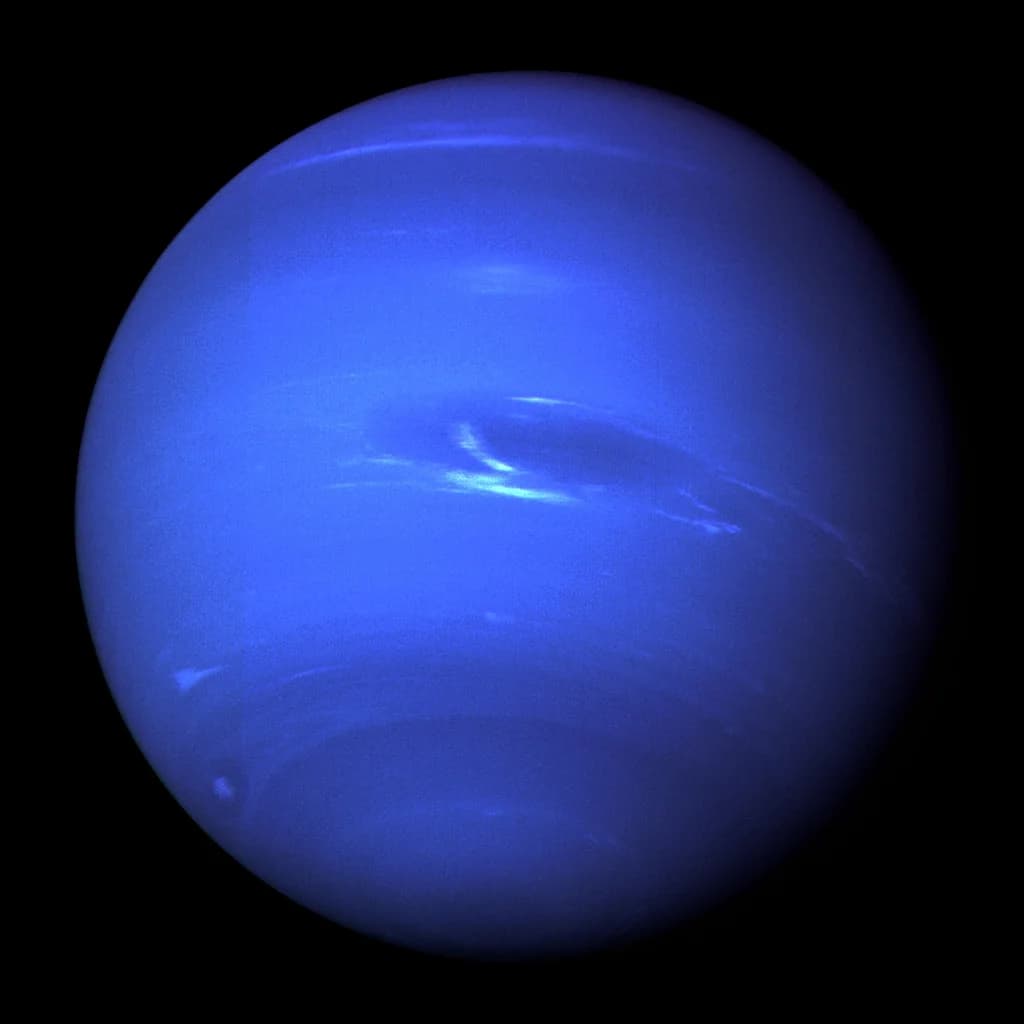
A storm-blue ice giant on the edge of the planetary realm.
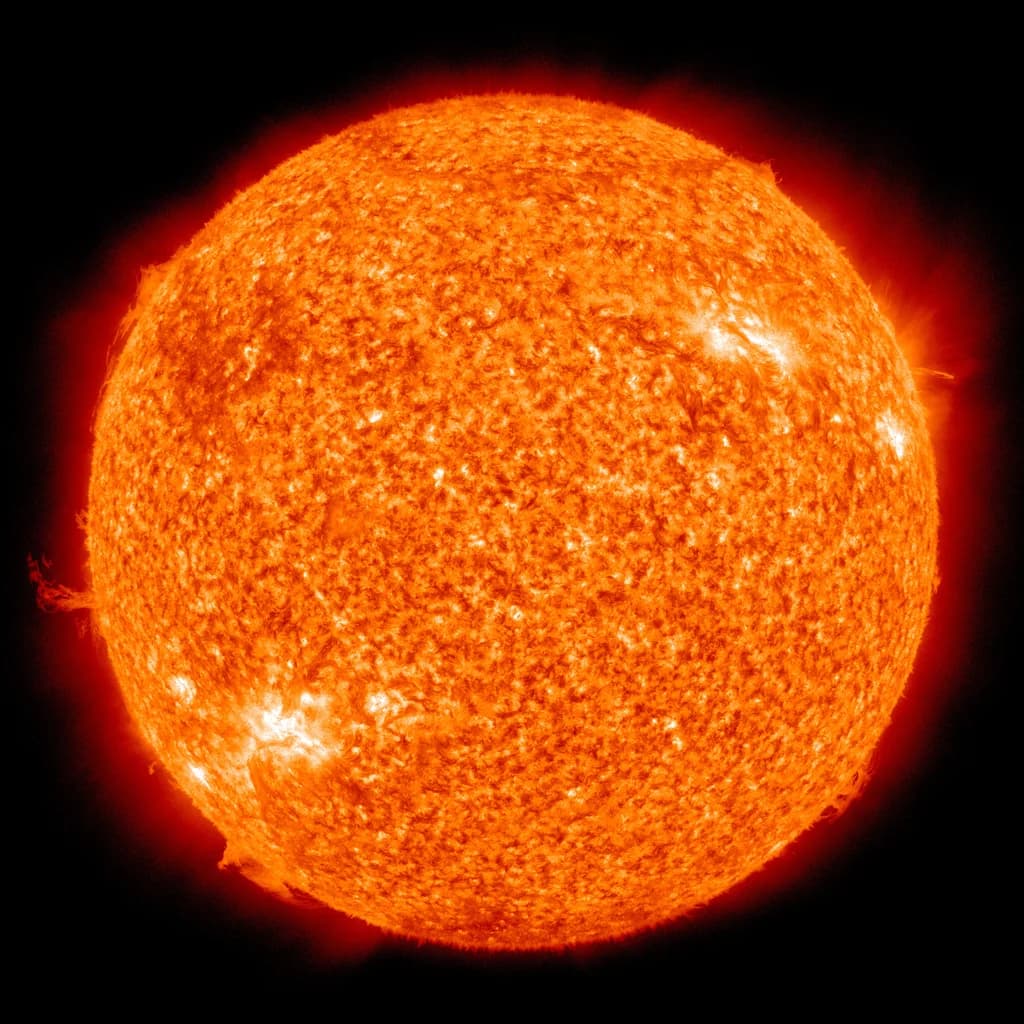
A self-sustaining fusion engine at the heart of our system.
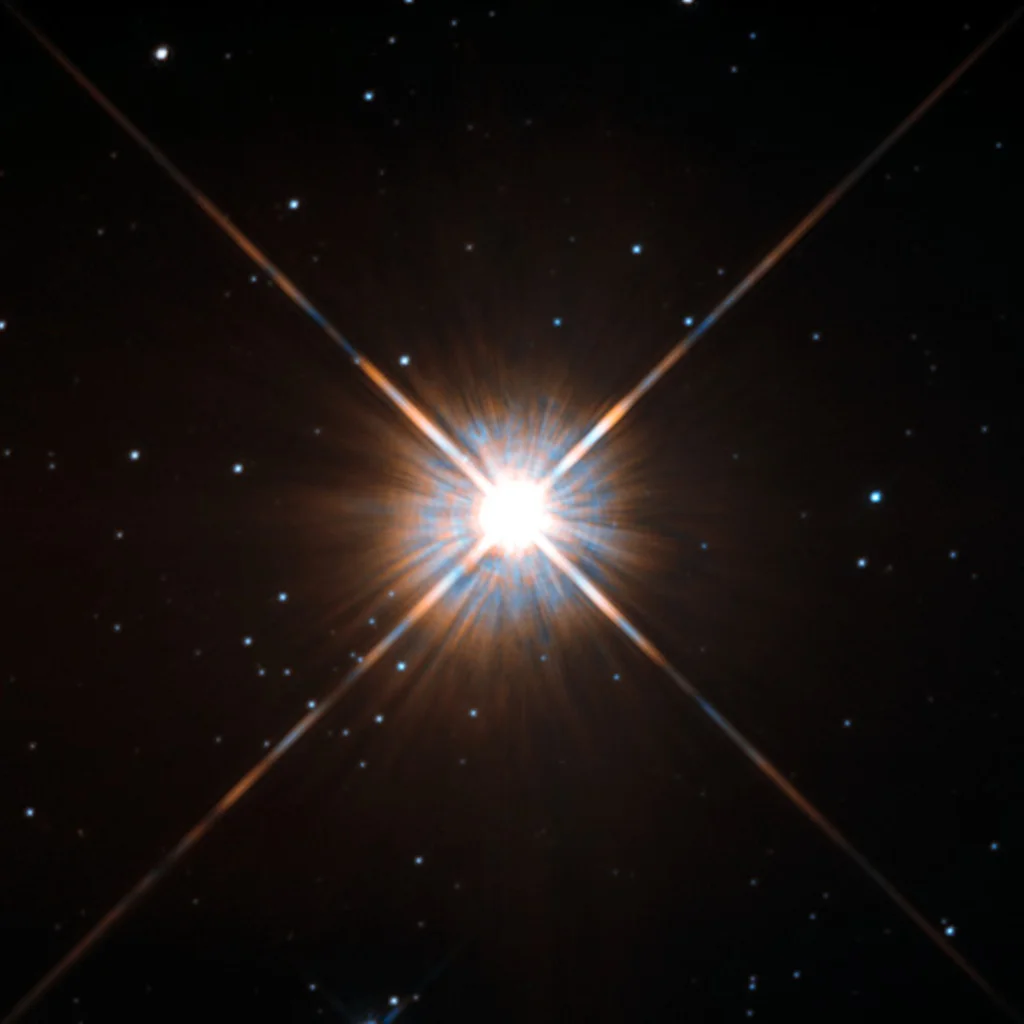
The closest known star to the Sun — and still impossibly far.
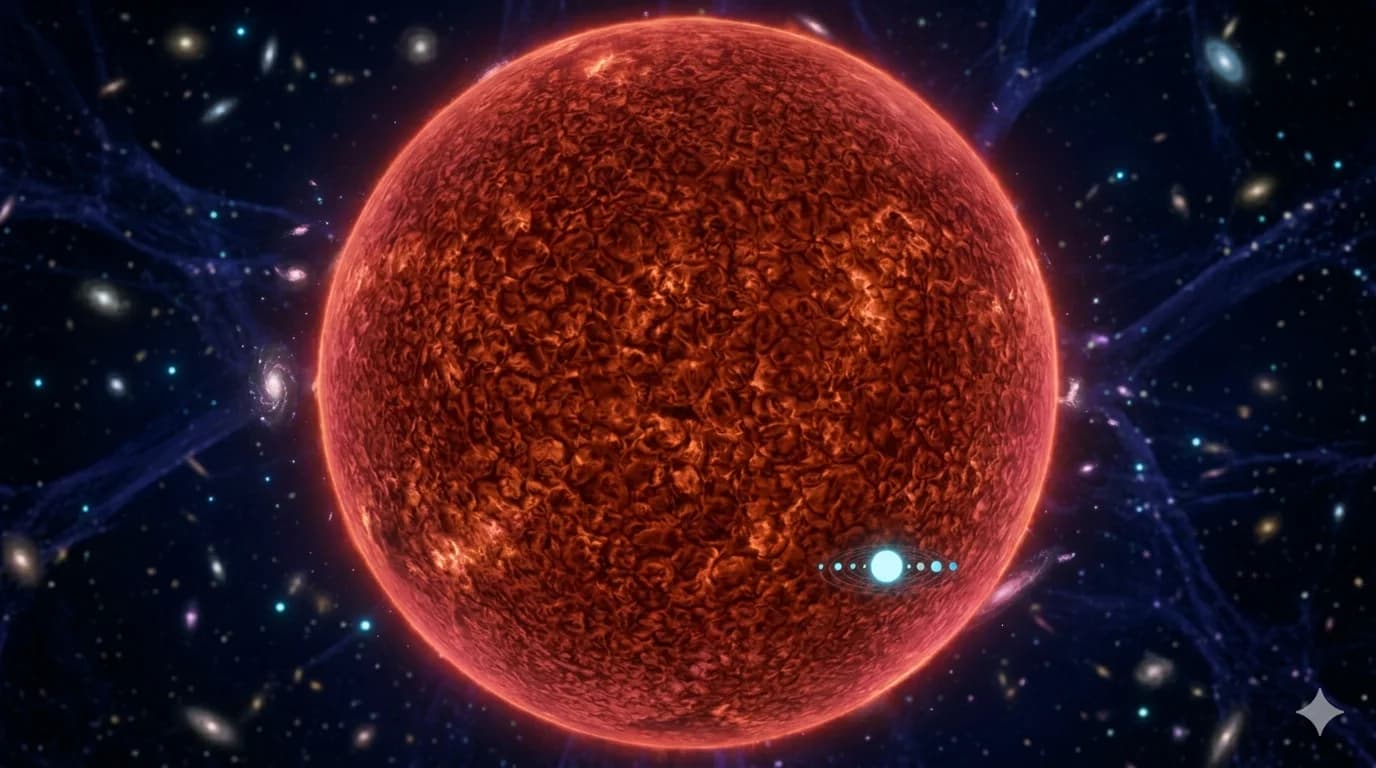
If it replaced the Sun, it would swallow Jupiter.
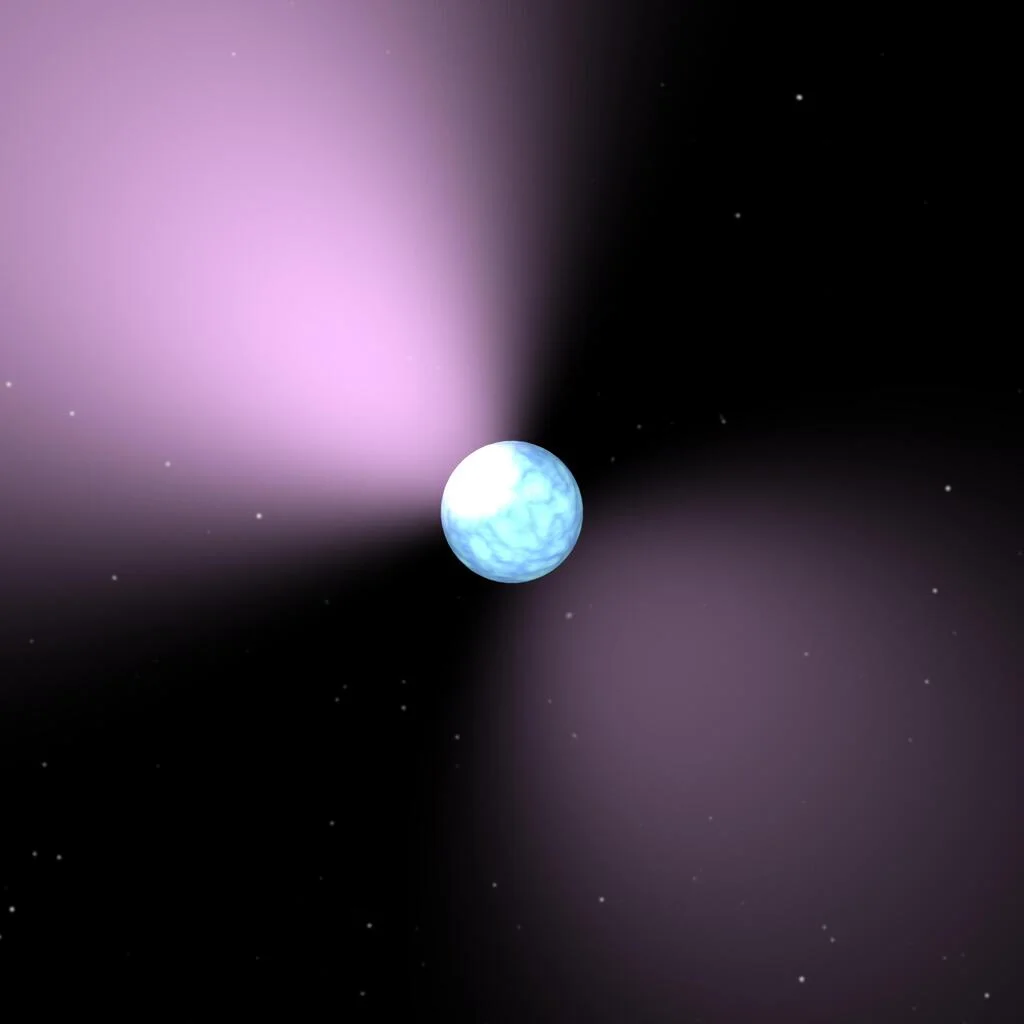
A city-sized star with the mass of a sun.
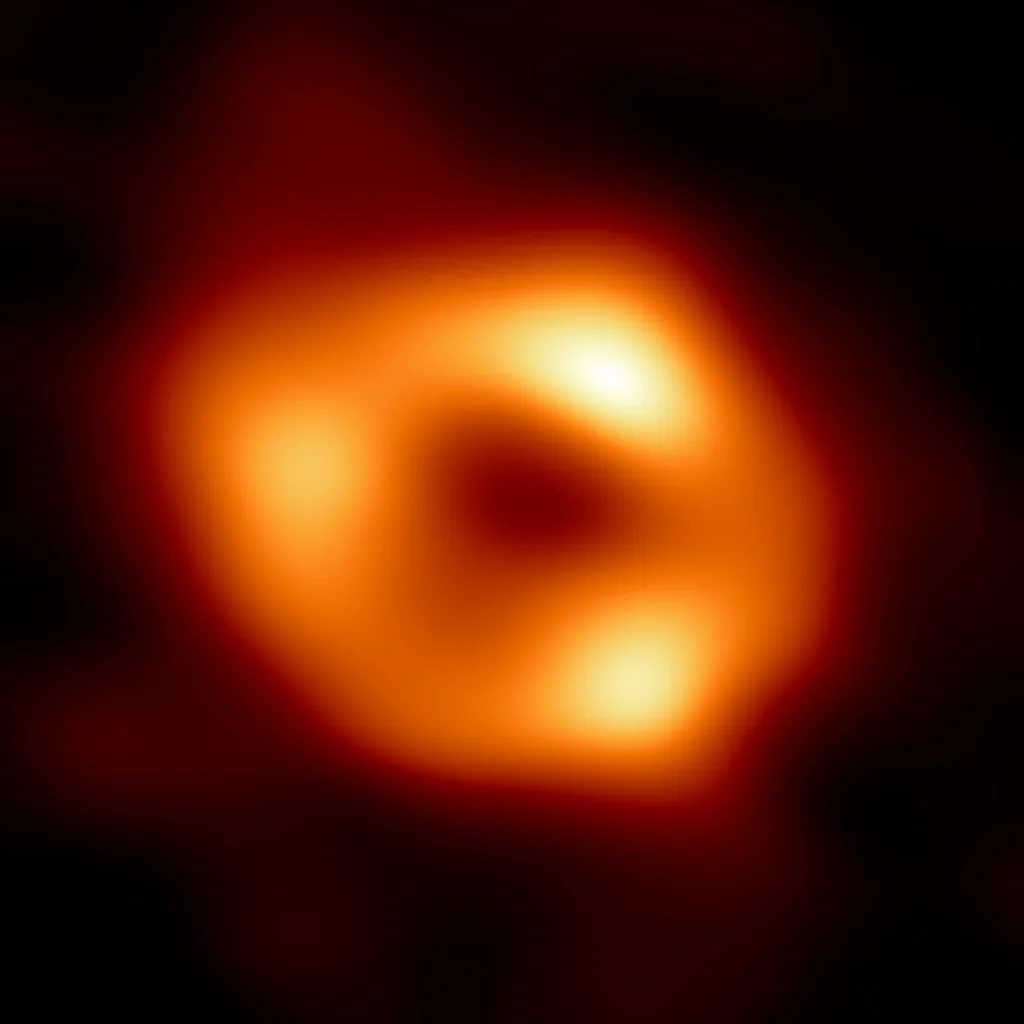
The supermassive black hole at the heart of our galaxy — and its more extreme cousins.
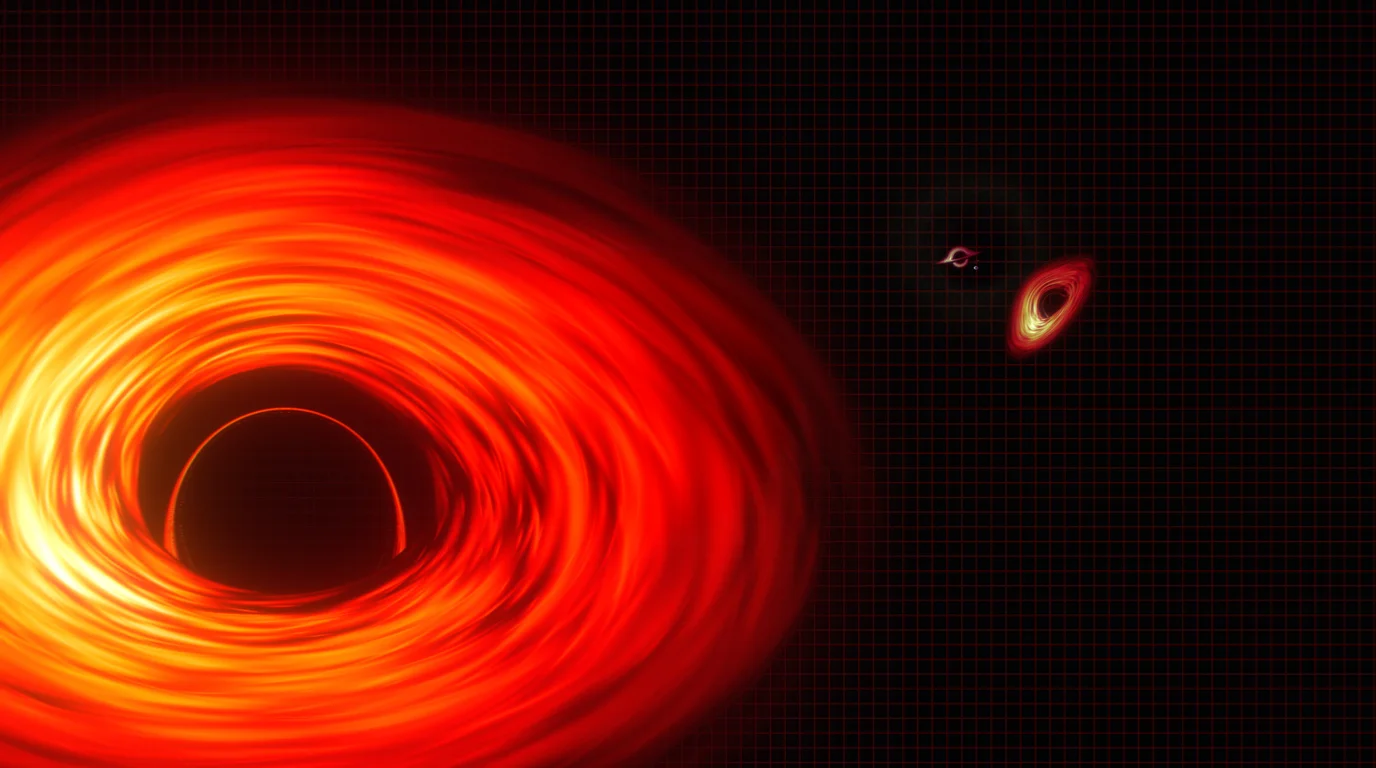
An ultramassive quasar — one of the largest black holes ever measured.
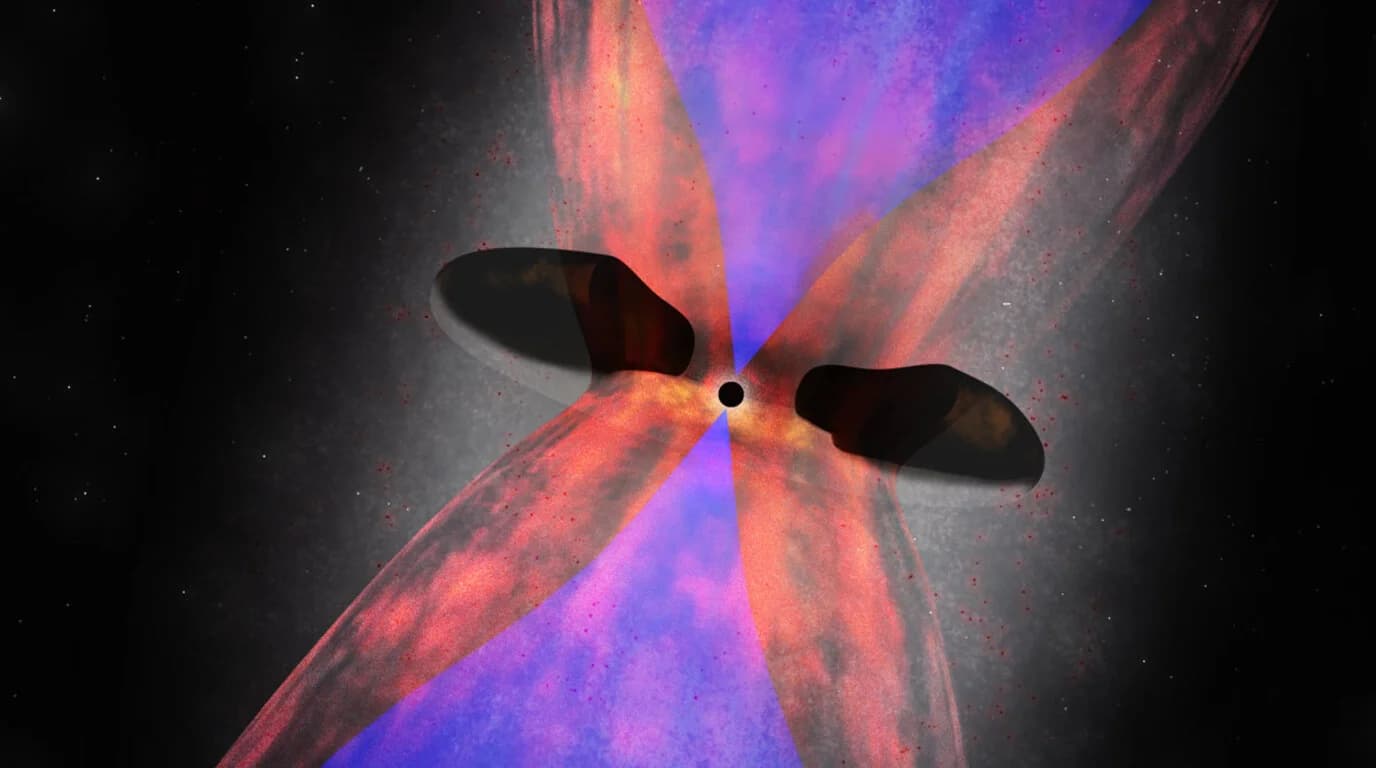
At the heart of the Phoenix Cluster — among the most massive known black holes.
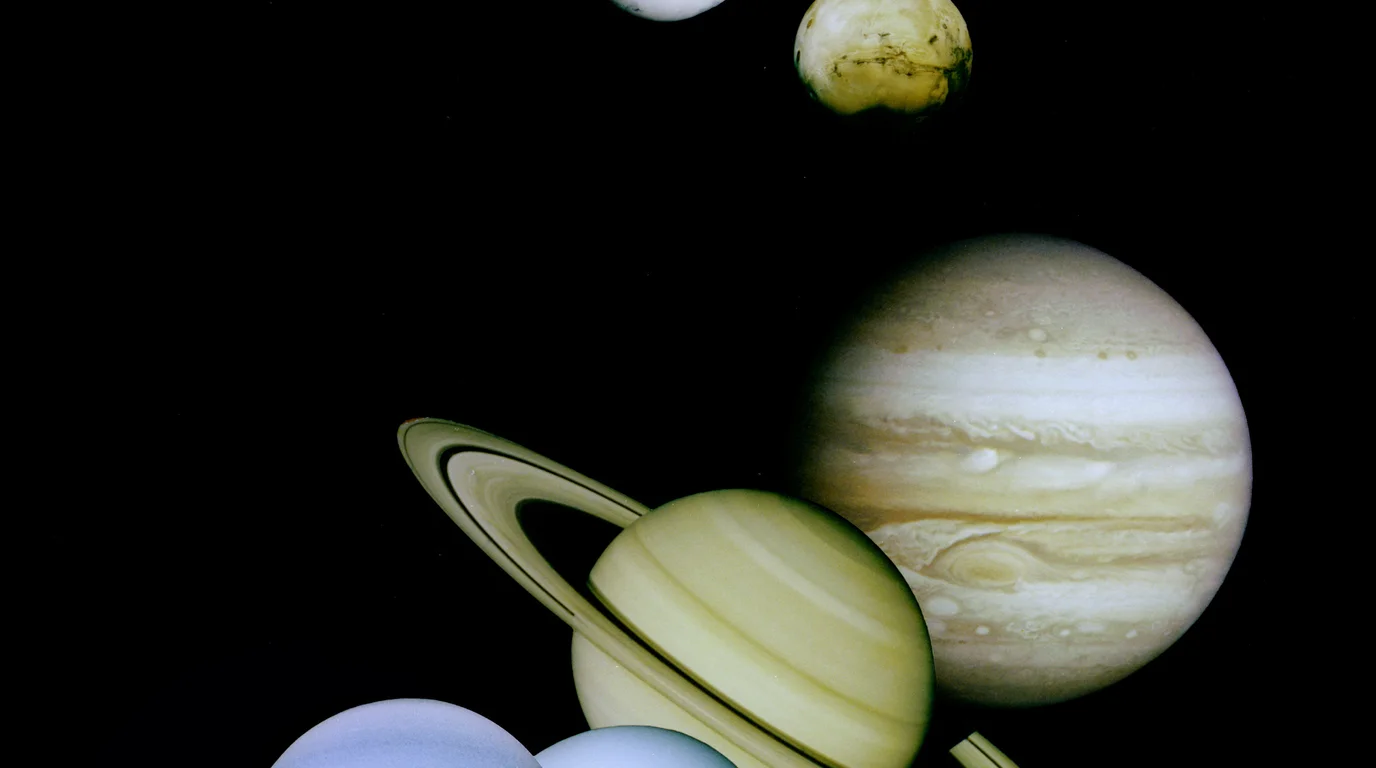
One star and everything held in its gravity.
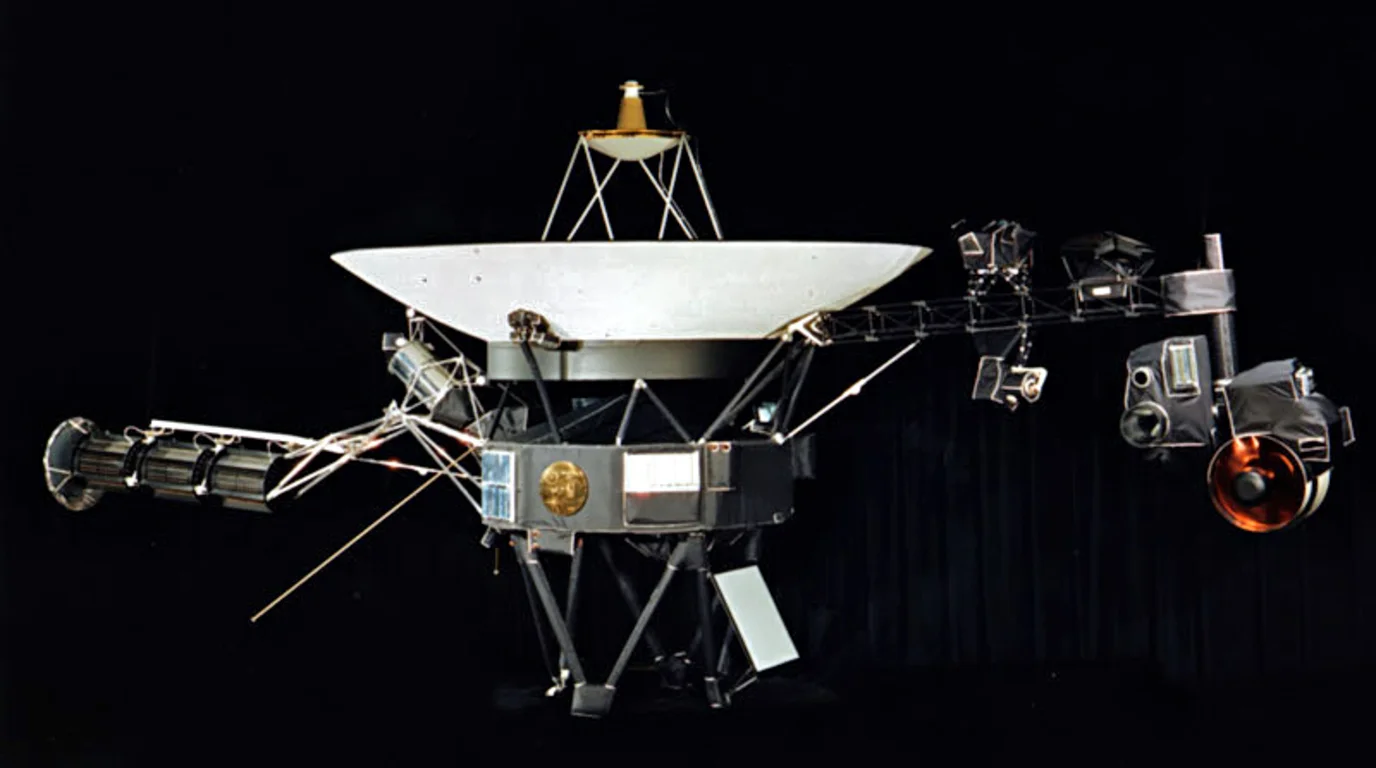
The farthest human-made object — and still calling home.
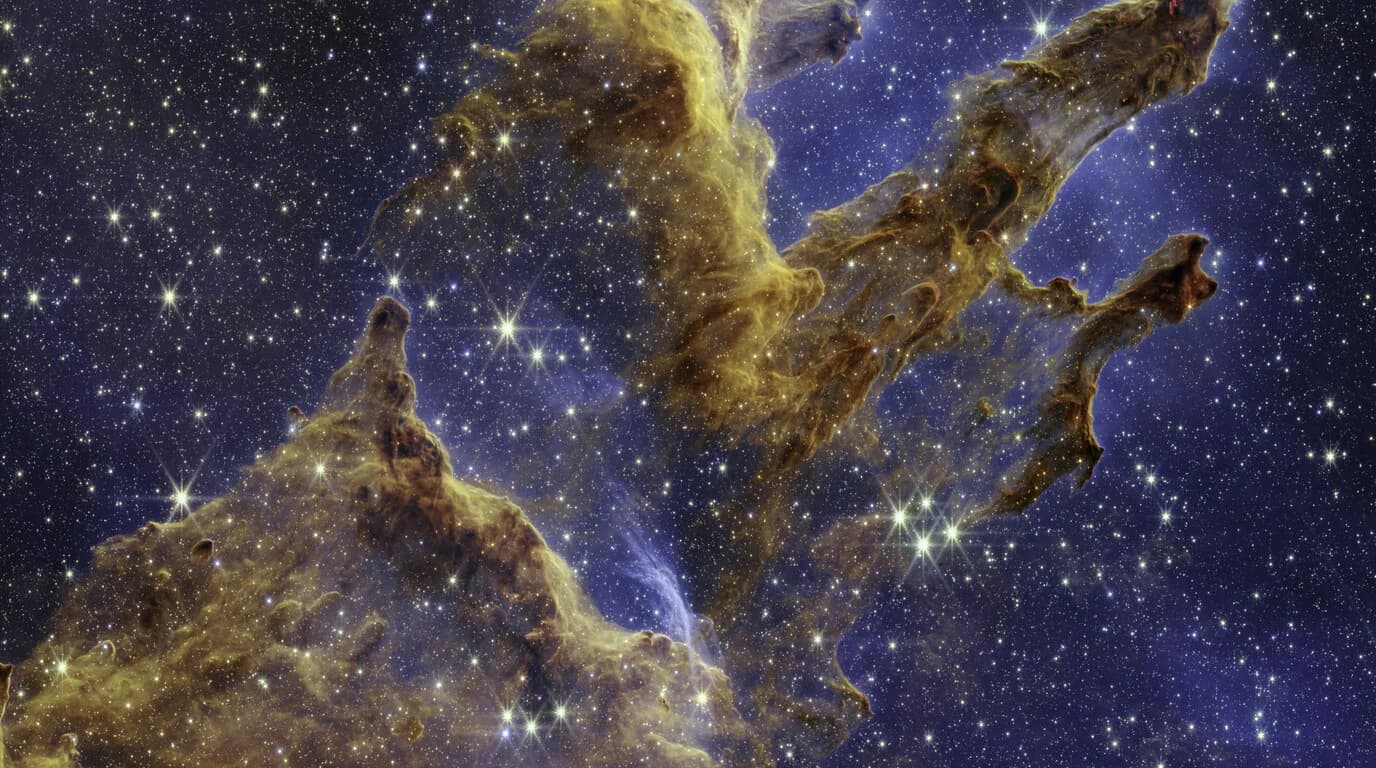
The distance a single beam of light covers in one year.
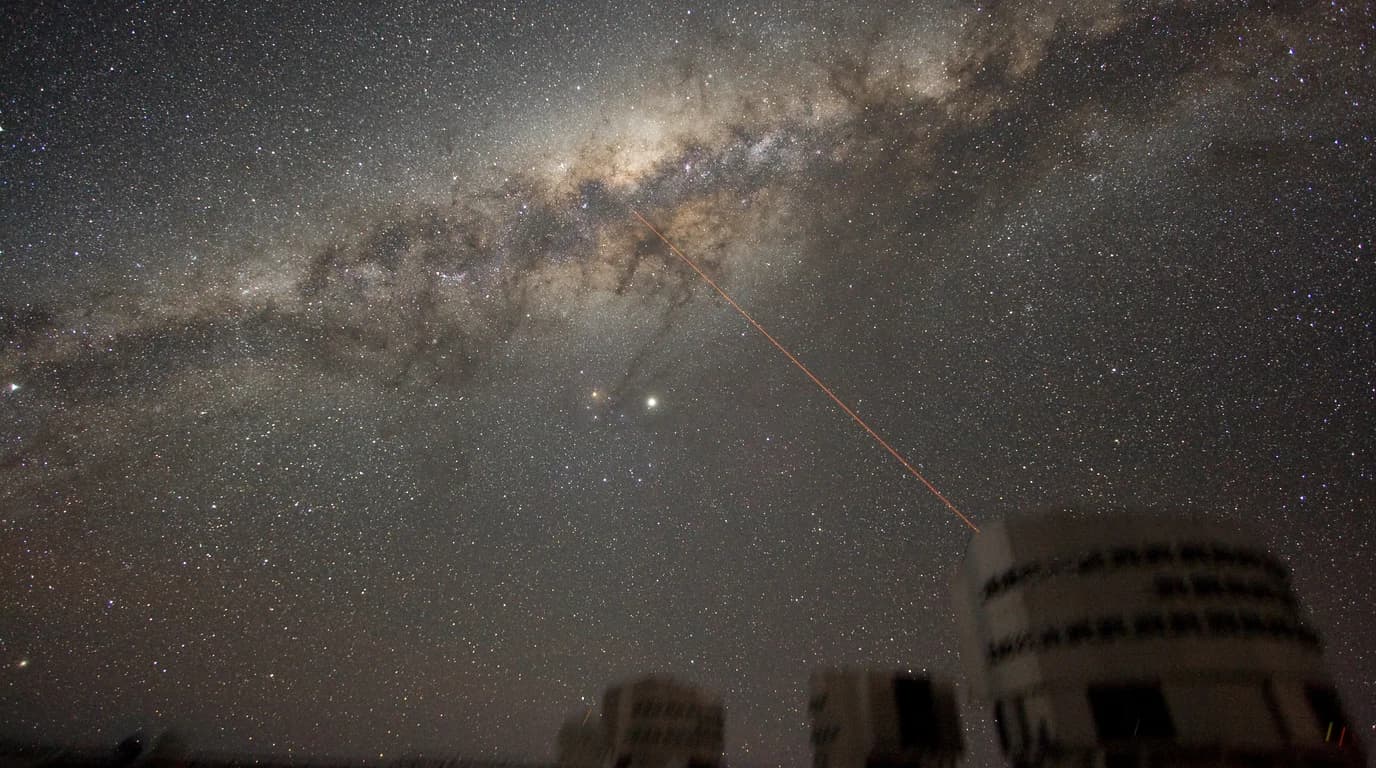
A spiral of roughly 200 billion stars — including ours.
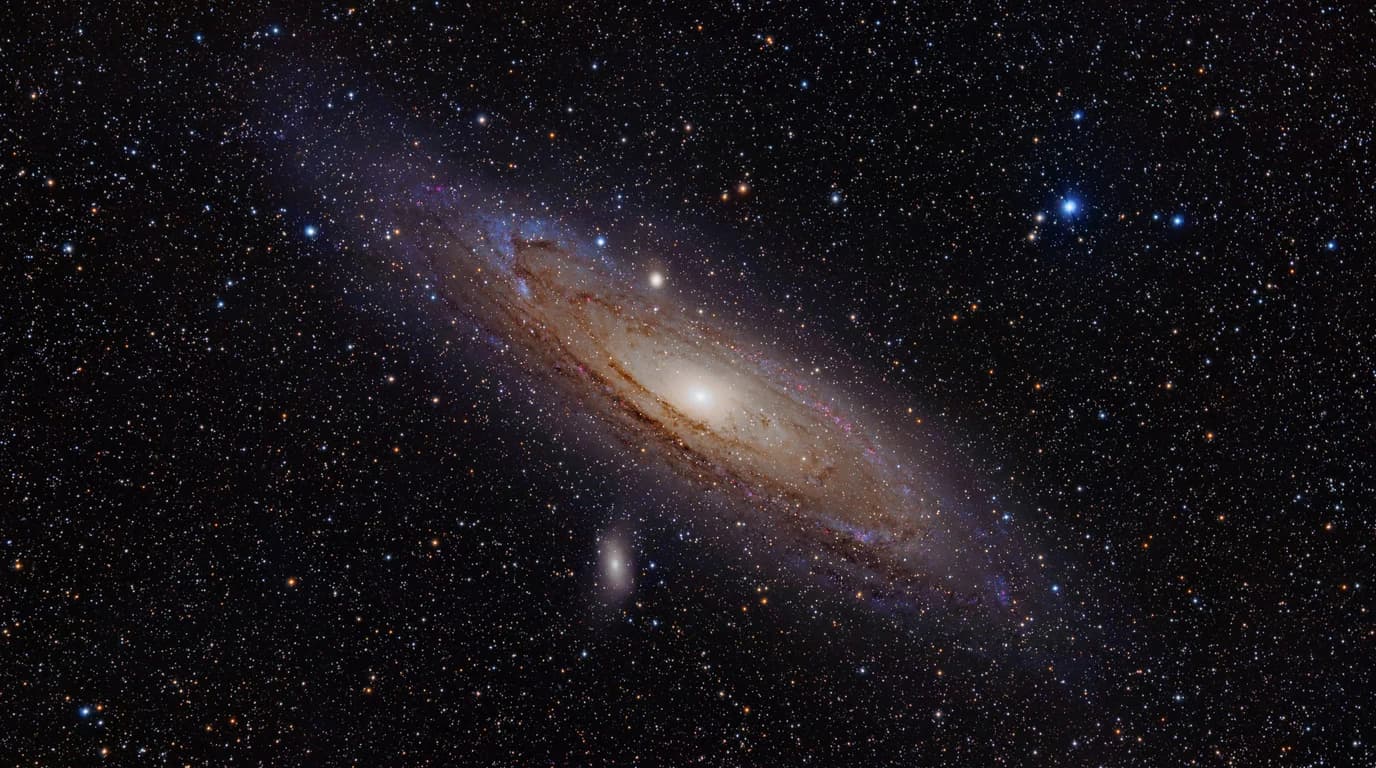
Our nearest large galactic neighbour — and our future collision partner.
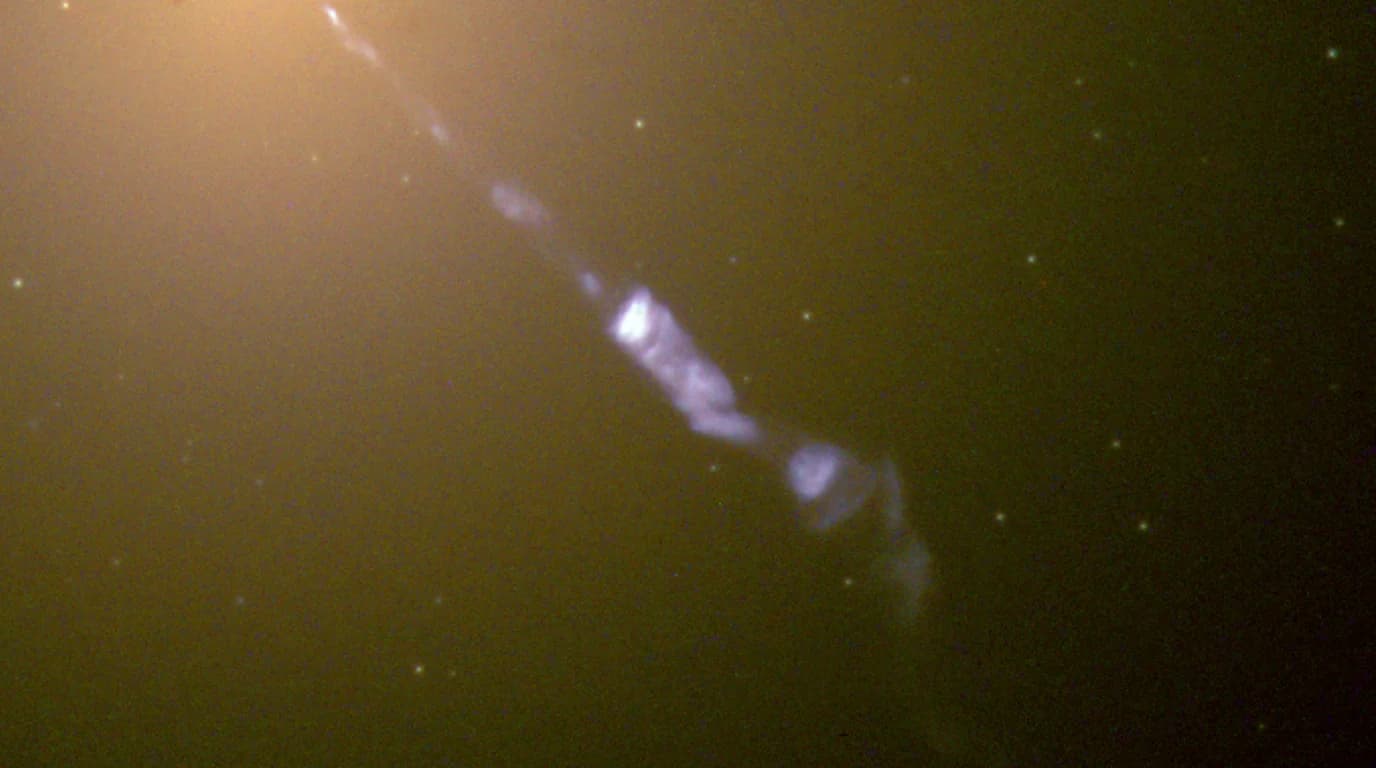
Our local galaxy cluster — one of thousands in the universe.
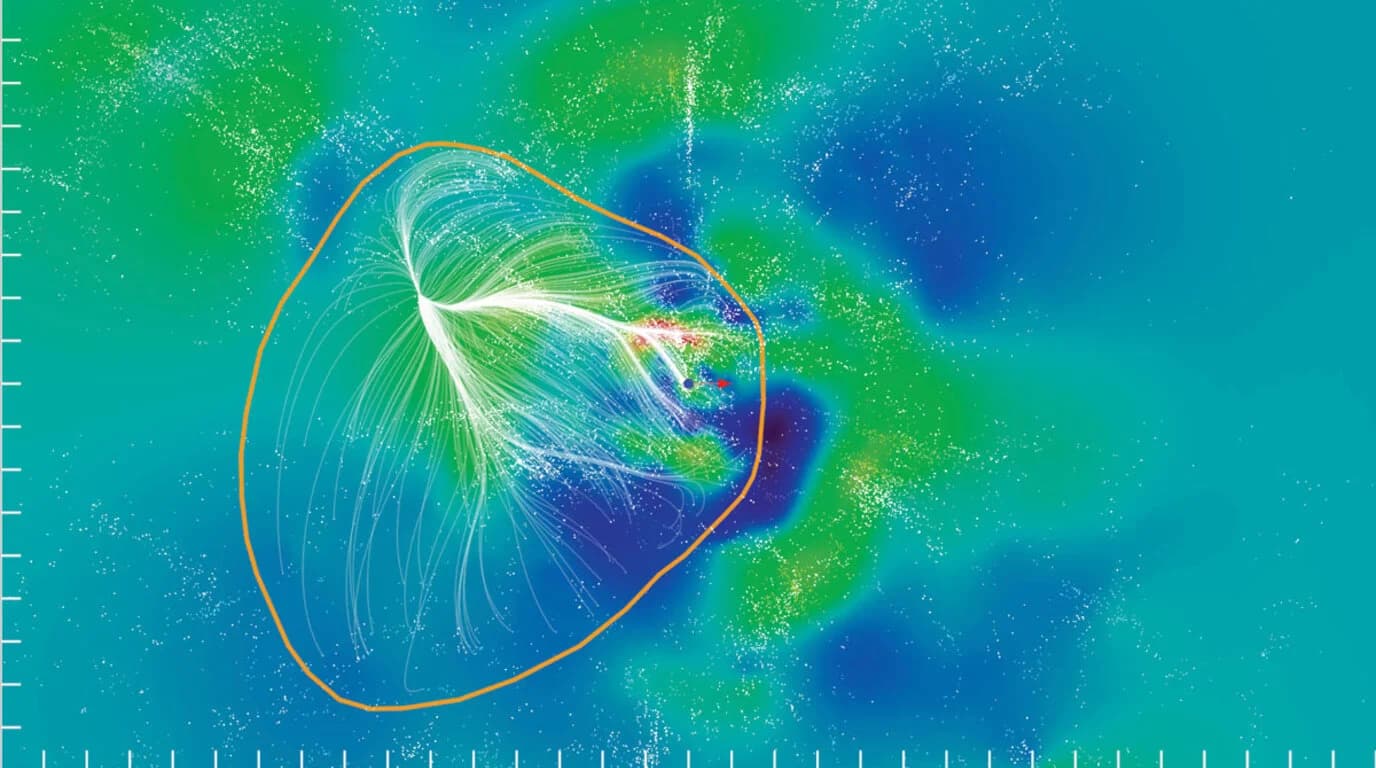
The supercluster of galaxy clusters our Milky Way lives inside.
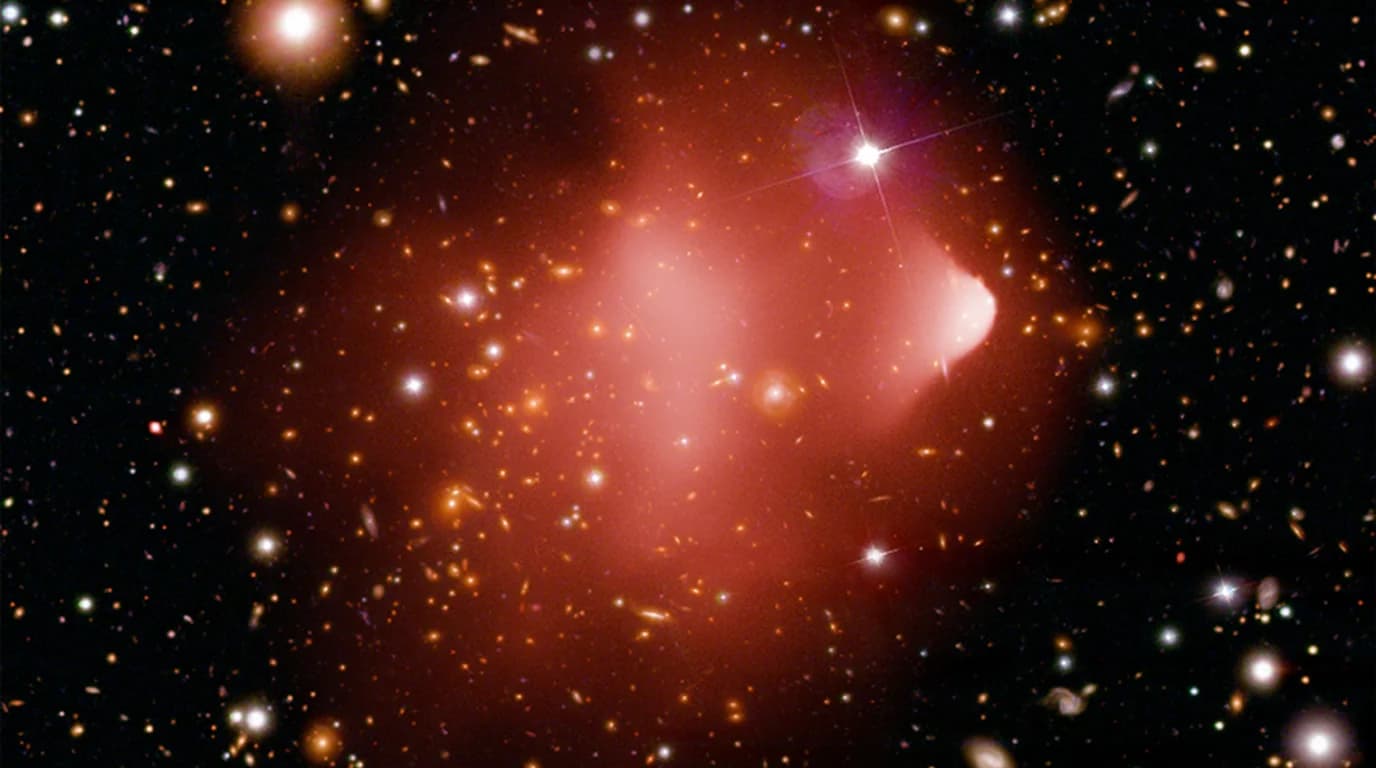
An invisible wind that holds galaxies together.
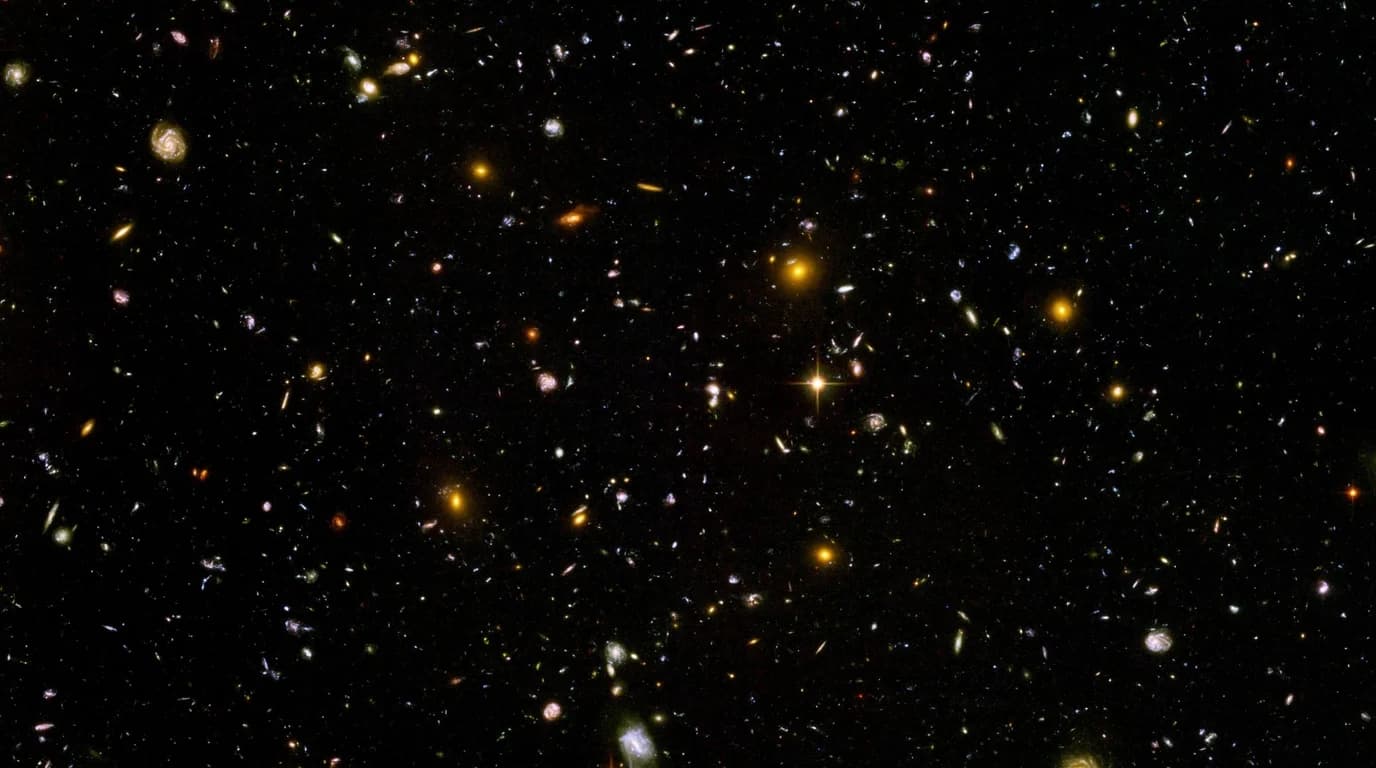
Whatever is pulling the universe apart, faster and faster.
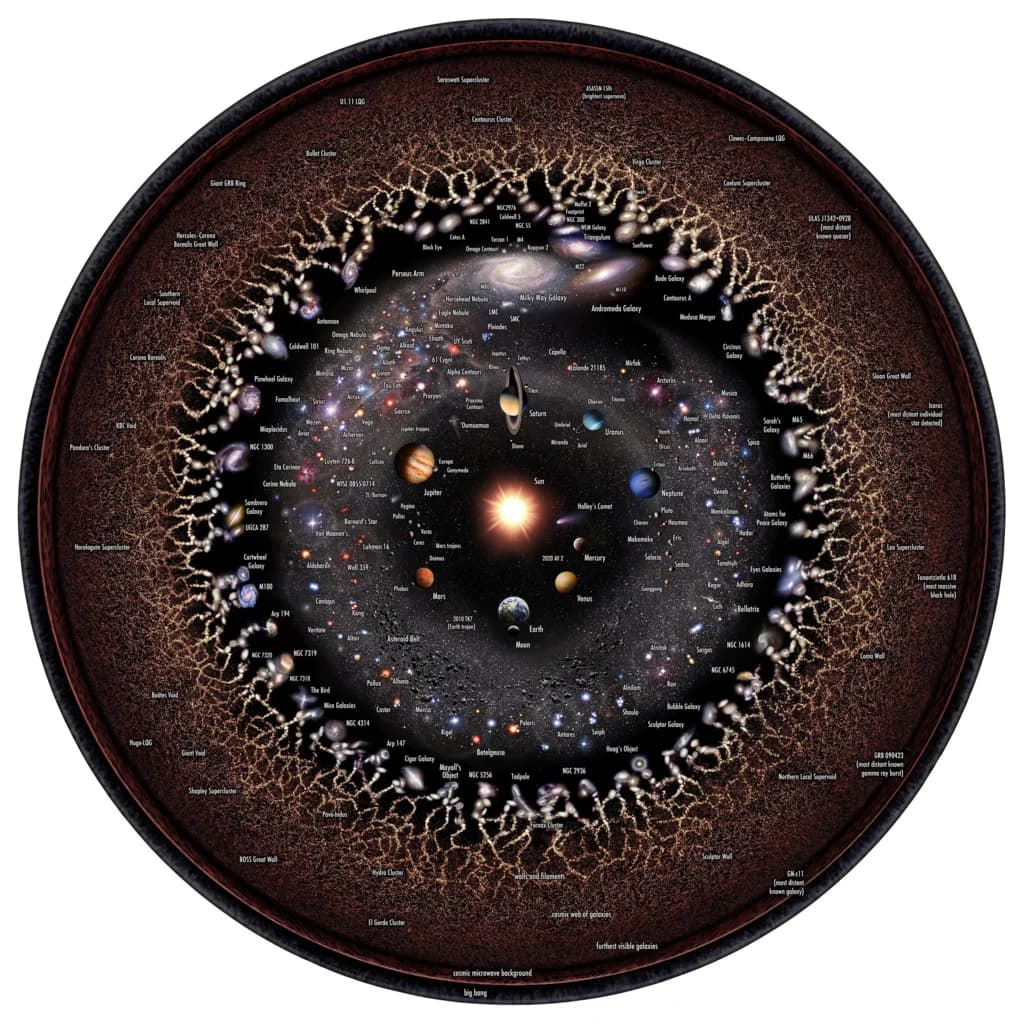
The 93-billion-light-year sphere we can, in principle, see.