
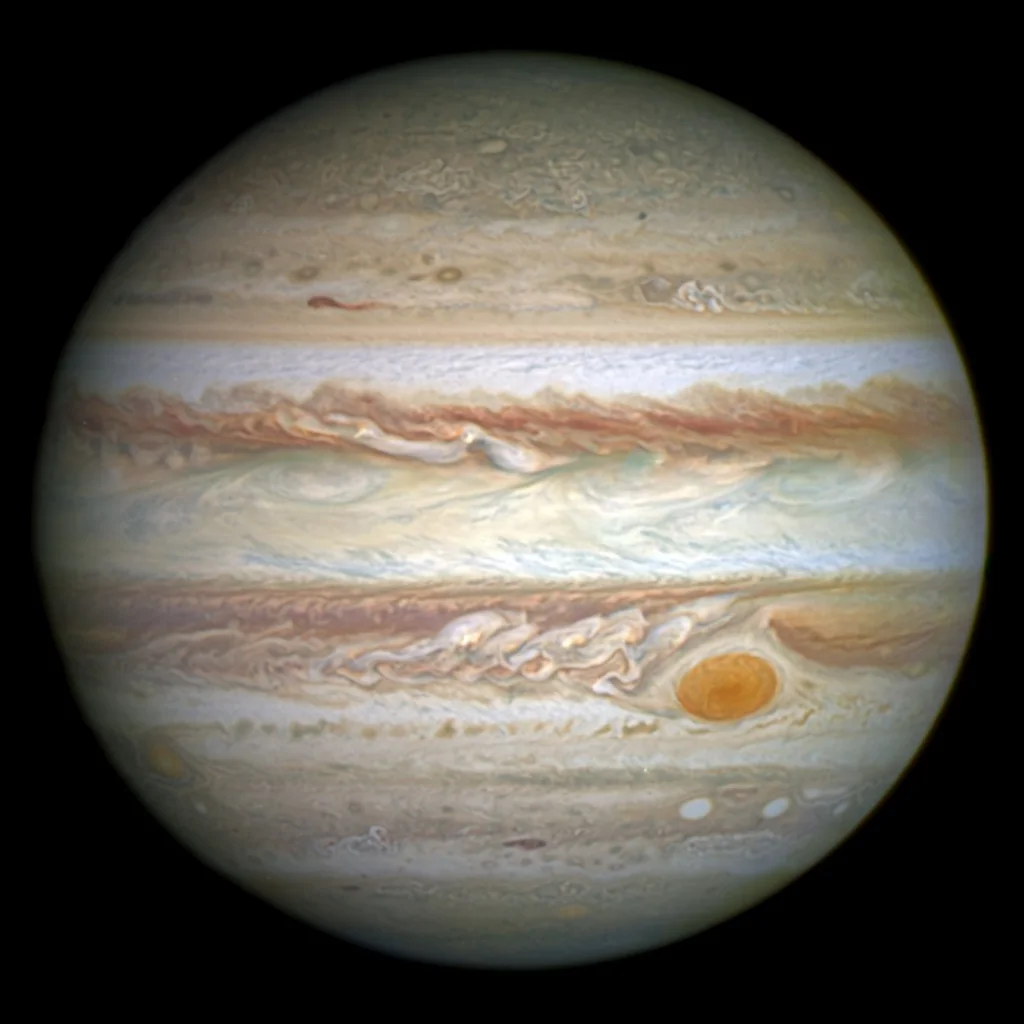
01Size139,820 kmDist779 million kmTemp165 K (-108 °C)
Jupiter
The Solar System's largest planet — a failed star, almost.
PlanetGas giantCosmos
Loading…
The closest known star to the Sun — and still impossibly far.
ESA / Hubble / NASA
Proxima Centauri Sun
Drawn to true scale.
Proxima Centauri Galactic centre Distance from Earth
Distance from Earth
26,002 ly
6,129×
closer to Earth
Distance from Earth
4.24 ly
Proxima Centauri is roughly 6,129× closer to Earth than Galactic centre.
Picture this
Even at the speed of light it takes 4.24 years to get to Proxima Centauri. The fastest human spacecraft ever launched (Parker Solar Probe) would take more than 6,000 years to make the trip.
If you scale the distance
Driving non-stop at highway speeds (100 km/h), the trip to Proxima Centauri would take roughly 45 million years — older than the entire age of the human genus. Light makes the journey in 4.24 years, but the fastest probe humans have ever built would still need six thousand.
By weight
Proxima Centauri weighs only about an eighth of the Sun. Red dwarfs that small fuse hydrogen so slowly that, in theory, Proxima will still be shining four trillion years from now — long after every Sun-like star has burned out.
Proxima Centauri is a small, dim red dwarf about 4.24 light-years from Earth. It is the nearest known star to the Sun, part of the triple Alpha Centauri system. At least two planets are confirmed to orbit it, one — Proxima b — sitting in the habitable zone where liquid water could exist on its surface. The catch is that red dwarfs are violently active; Proxima regularly fires off flares that would strip away an Earth-like atmosphere.
Glossary
Did you know?
Despite being our nearest stellar neighbour, Proxima is too dim to see with the naked eye. You need a telescope — even though, in cosmic terms, it's basically next door.
Last updated 2026-10-04
You are here
Scale
The closest known star to the Sun — and still impossibly far.
Size
214,000 km
Tap a dot to preview it. Use the Open stop link to read its full page. Stops are arranged from smallest on the left to largest on the right.
The Solar System's largest planet — a failed star, almost.
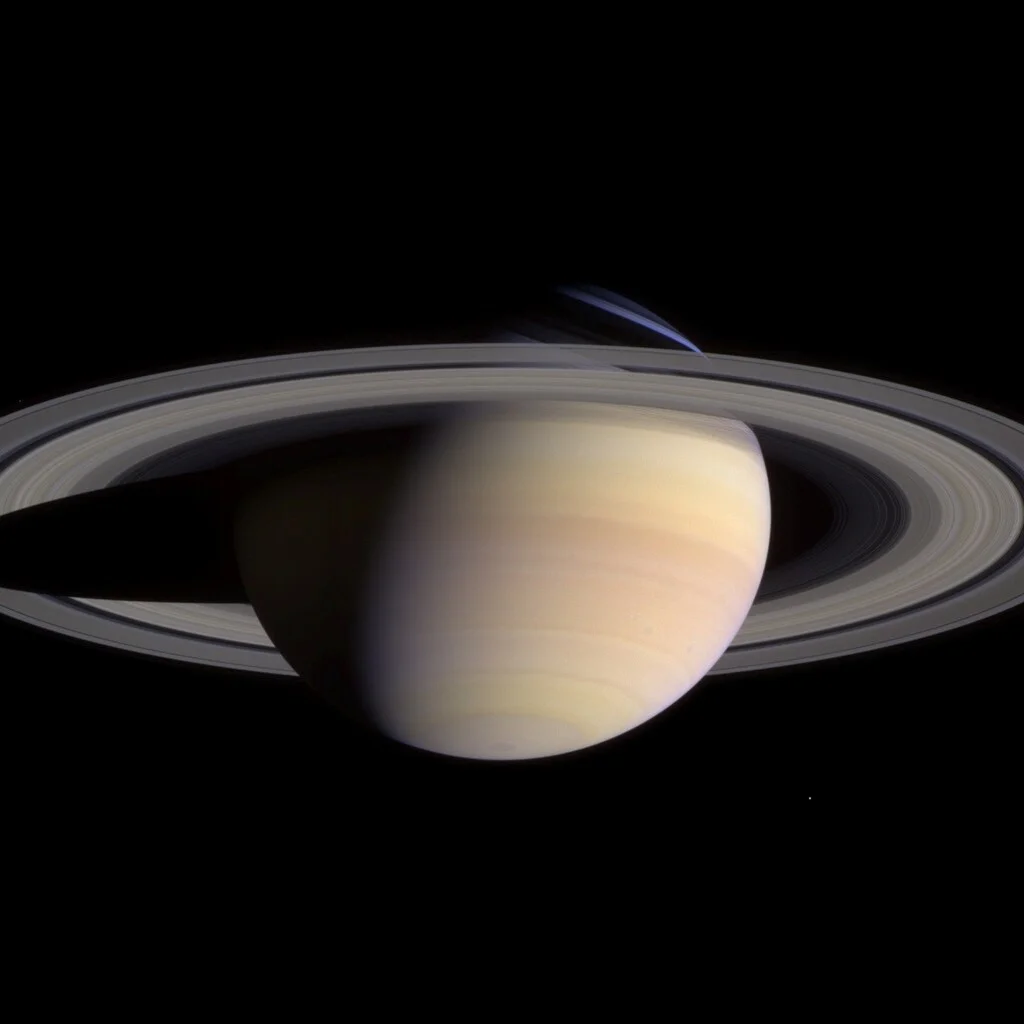
The Solar System's signature image — a gas giant with rings.
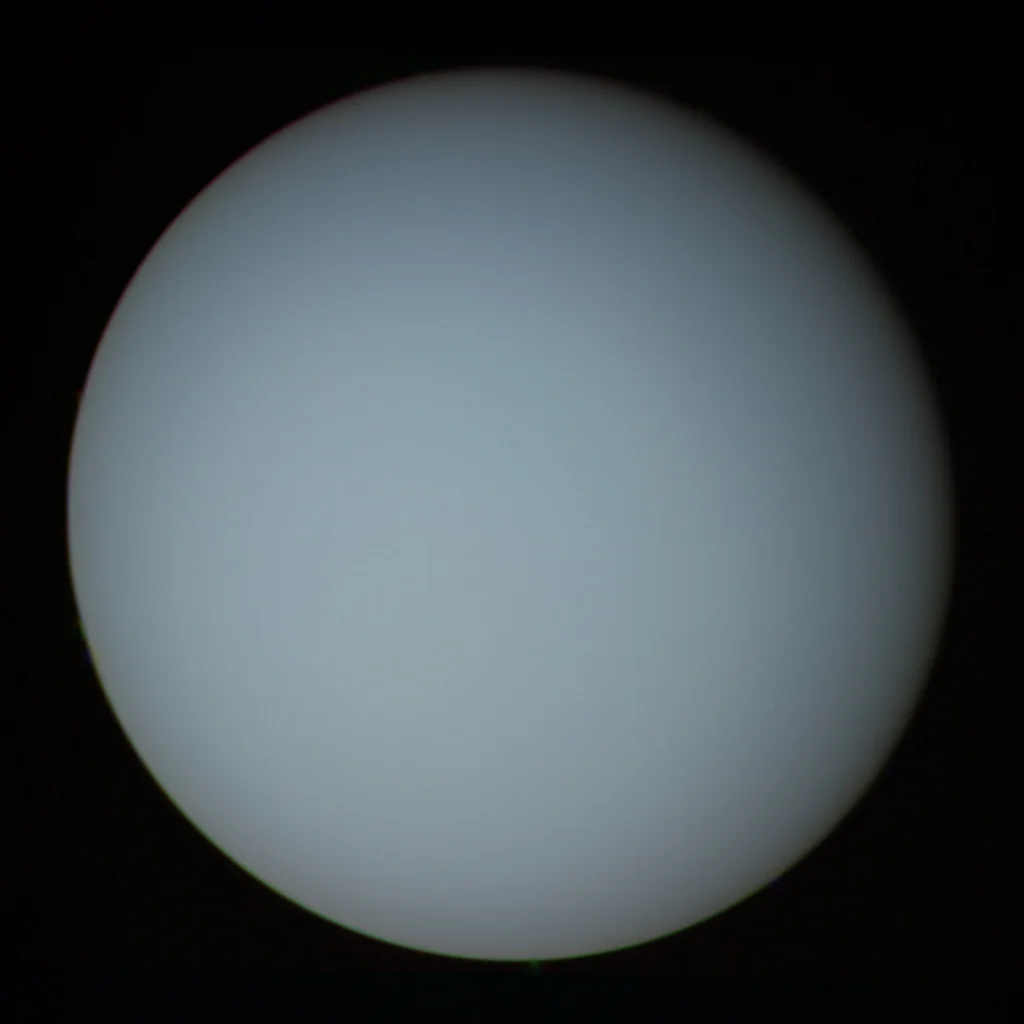
An ice giant tipped on its side.