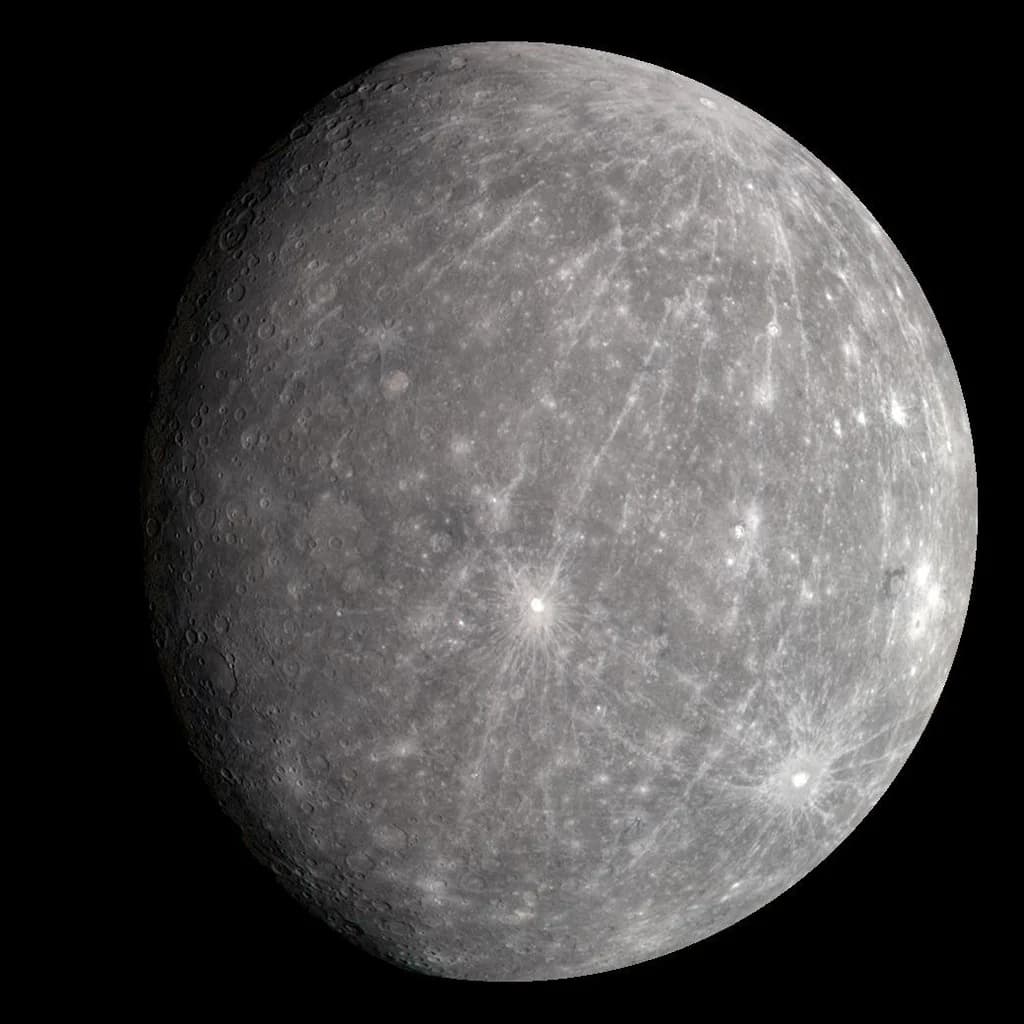
01Size4,879 kmDist155 million kmTemp440 K (167 °C)
Mercury
The innermost planet — a cratered world of impossible extremes.
PlanetCosmos
Loading…
ESA / Rosetta / OSIRIS
Mars Earth
Drawn to true scale.
Mars Sun Distance from Earth
Mars is roughly 1.50× farther from Earth than Sun.
Picture this
Stand on Mars on a clear day and the sky is butterscotch-pink, the sunset is blue, and the sun looks two-thirds its usual size. Earth, when you spot it, is a bright blue star.
If you scale the distance
When Mars is at its closest to Earth — once every two years or so — it's still about 100 million times farther than the Moon. A radio signal takes 3 minutes one-way at closest approach, and 22 minutes when Mars is on the far side of the Sun. Rovers have to think for themselves whenever they can't wait that long.
Mars is a cold, dusty world about half Earth's diameter, wrapped in an atmosphere so thin it's barely there. But the geology underneath is shockingly familiar: dry riverbeds, frozen polar caps, volcanoes bigger than any on Earth, and a canyon — Valles Marineris — so wide it would stretch from New York to Los Angeles. We have rovers driving across it right now, and people planning to follow.
Glossary
Did you know?
Olympus Mons, the largest known volcano in the Solar System, is about 22 km tall — almost three times the height of Mount Everest above its base. Mars's weaker gravity and lack of plate tectonics let single volcanoes grow that big.
Last updated 2026-10-04
You are here
Scale
Earth's red neighbour — and our best shot at a second home.
Size
6,779 km
Tap a dot to preview it. Use the Open stop link to read its full page. Stops are arranged from smallest on the left to largest on the right.
The innermost planet — a cratered world of impossible extremes.
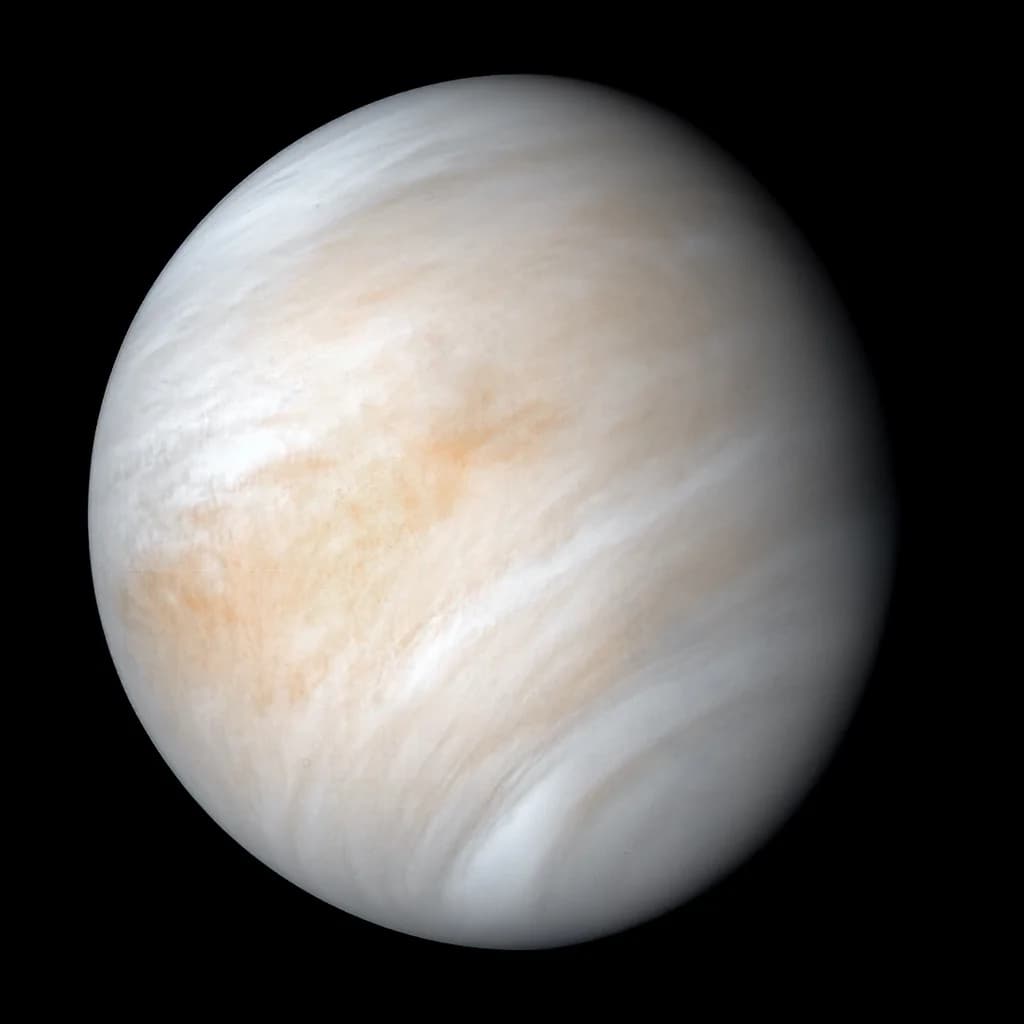
Earth's twin in size — and its opposite in everything else.
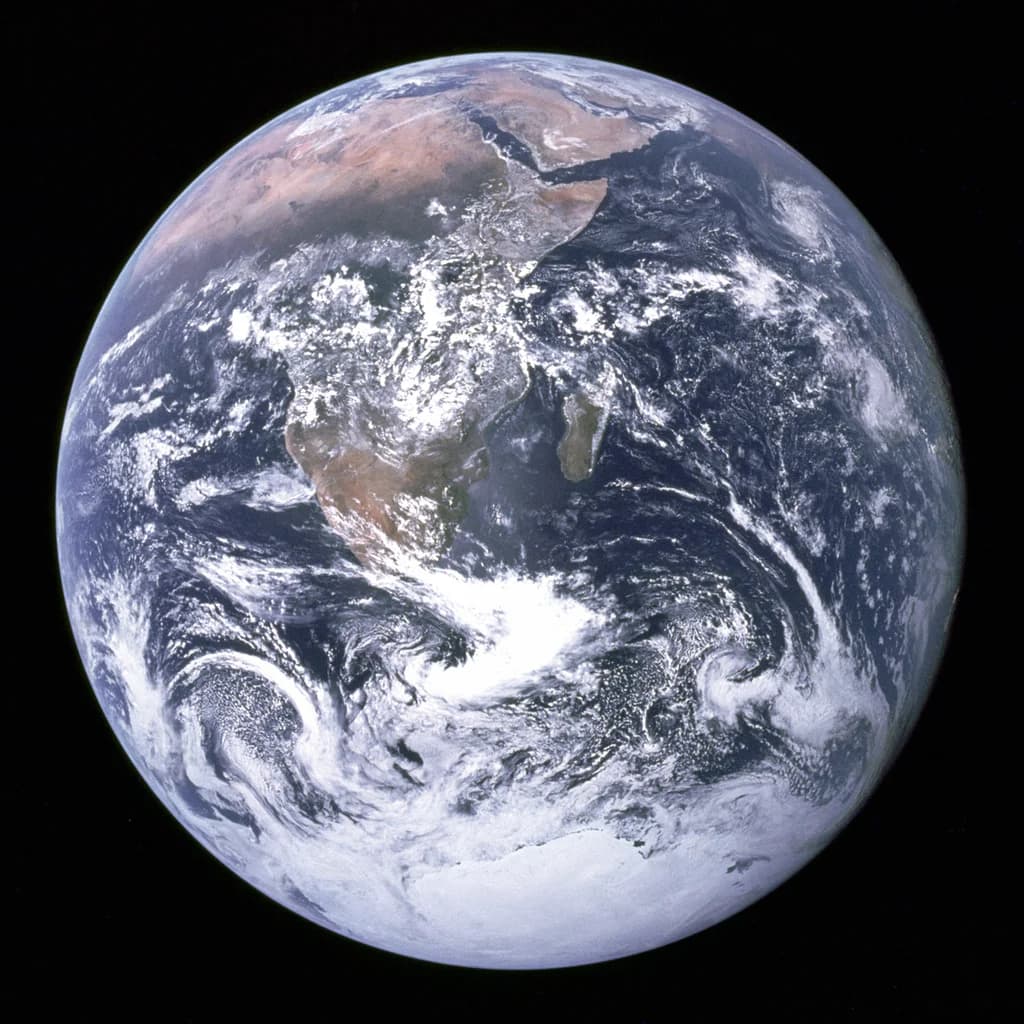
Our reference grain of sand.