
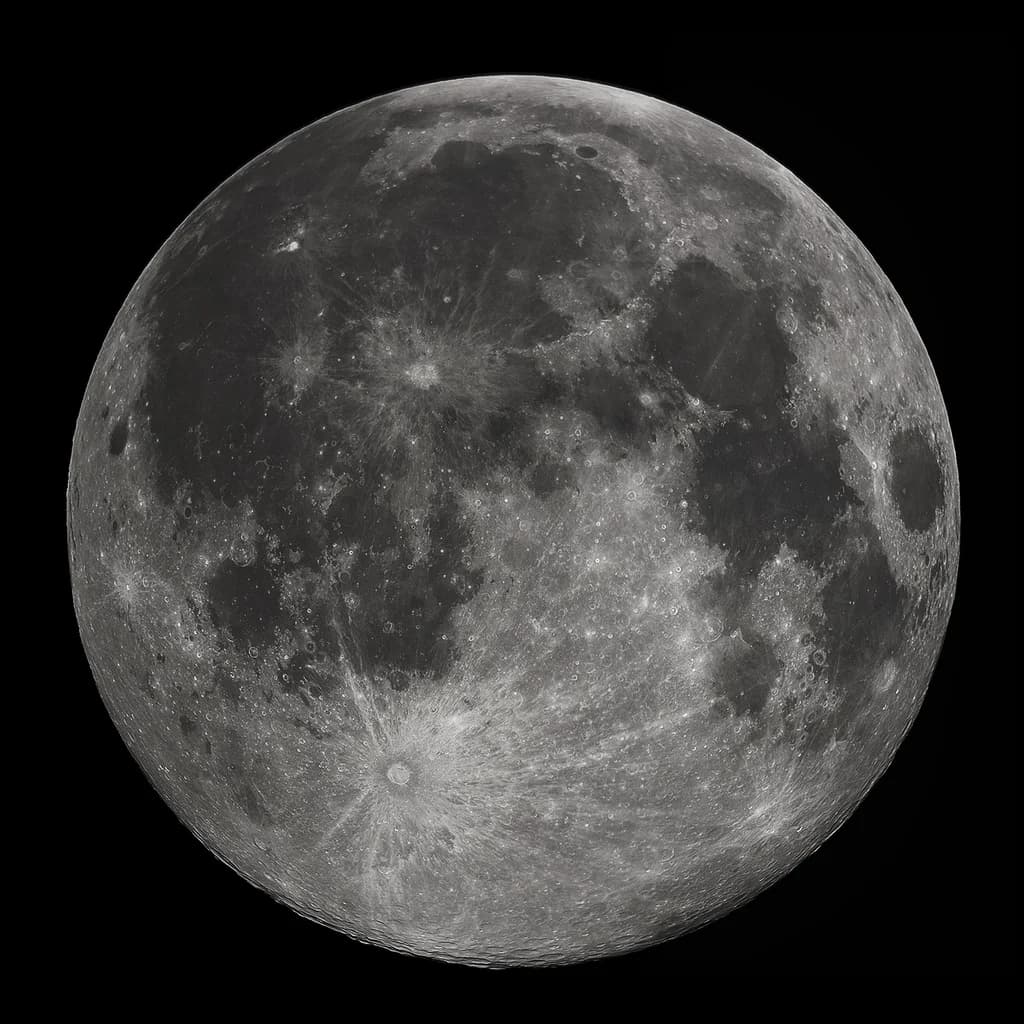
01Size3,475 kmDist384,400 kmTemp250 K (-23 °C)
The Moon
Earth's only natural satellite — locked to us forever.
SatelliteCosmos
Loading…
The dwarf planet that taught the Solar System has an outer layer we'd missed.
NASA / Johns Hopkins APL / SwRI
Pluto Earth
Drawn to true scale.
Pluto Sun Distance from Earth
Pluto is roughly 39.5× farther from Earth than Sun.
Picture this
Pluto's heart-shaped plain is geologically active — its surface is renewing itself even today, billions of kilometres from any warmth a star can provide. Whatever heats it, it isn't sunlight.
If you scale the distance
Sunlight takes 5.5 hours to reach Pluto. Stand on its surface at noon and the Sun looks like a particularly bright star — bright enough to read by, but small enough to cover with the head of a pin held at arm's length.
Pluto is smaller than our Moon, orbits the Sun once every 248 years, and was demoted from planet to dwarf planet in 2006 — because we kept finding objects out there just like it. Then in 2015, NASA's New Horizons spacecraft flew past and showed us a world with nitrogen-ice plains, water-ice mountains, and a heart-shaped basin called Tombaugh Regio that nobody had expected to see on something so far from the Sun.
Glossary
Did you know?
Pluto and its largest moon, Charon, are tidally locked to each other — they always show each other the same face. From Pluto, Charon never moves in the sky. It's a slow waltz partner that simply hangs there.
Last updated 2026-10-04
You are here
Scale
The dwarf planet that taught the Solar System has an outer layer we'd missed.
Size
2,377 km
Tap a dot to preview it. Use the Open stop link to read its full page. Stops are arranged from smallest on the left to largest on the right.
Earth's only natural satellite — locked to us forever.
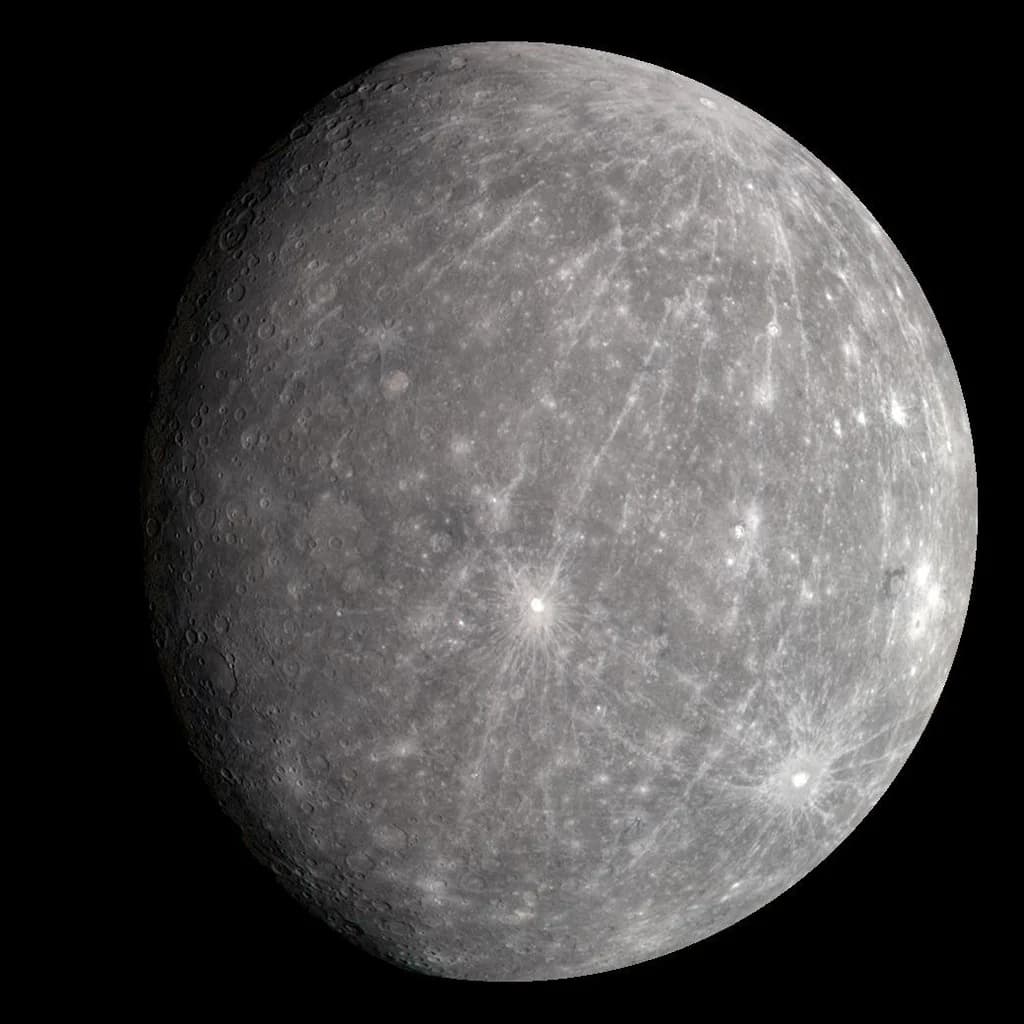
The innermost planet — a cratered world of impossible extremes.
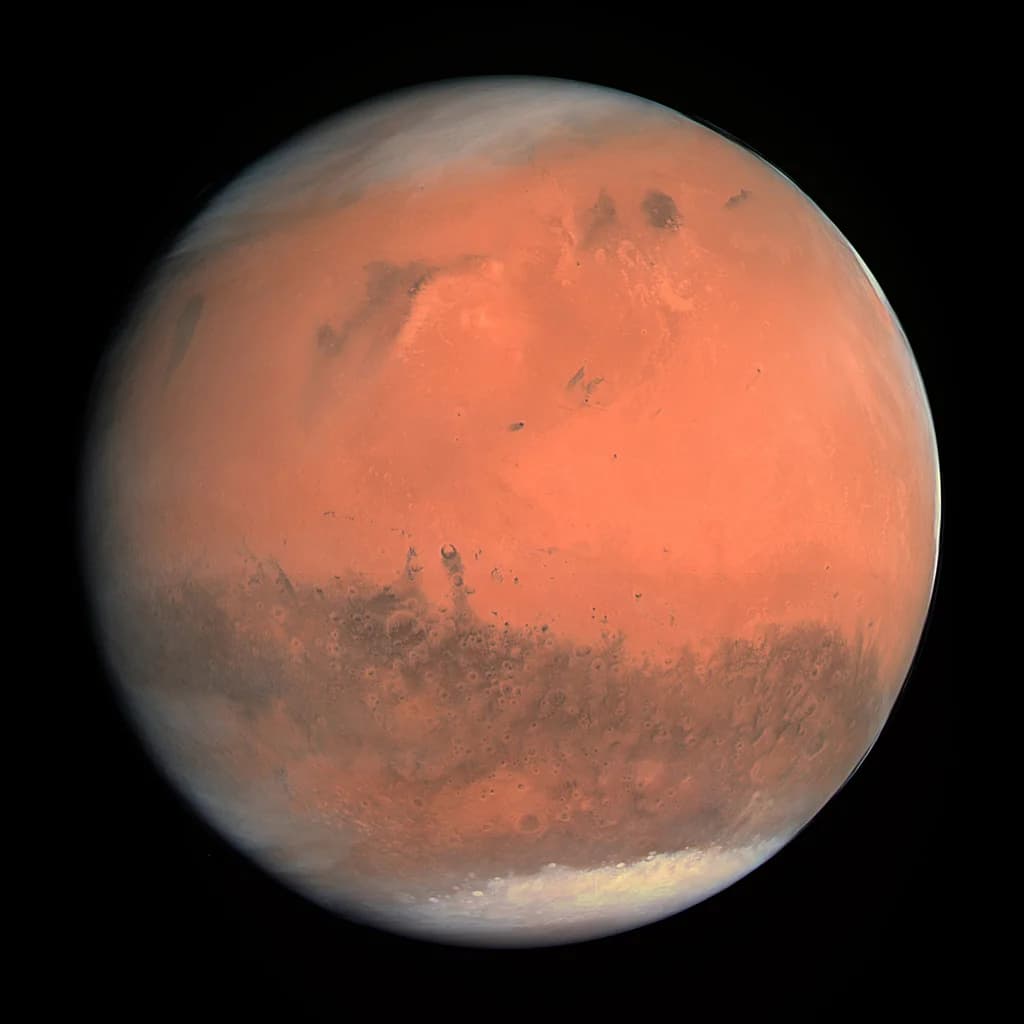
Earth's red neighbour — and our best shot at a second home.