
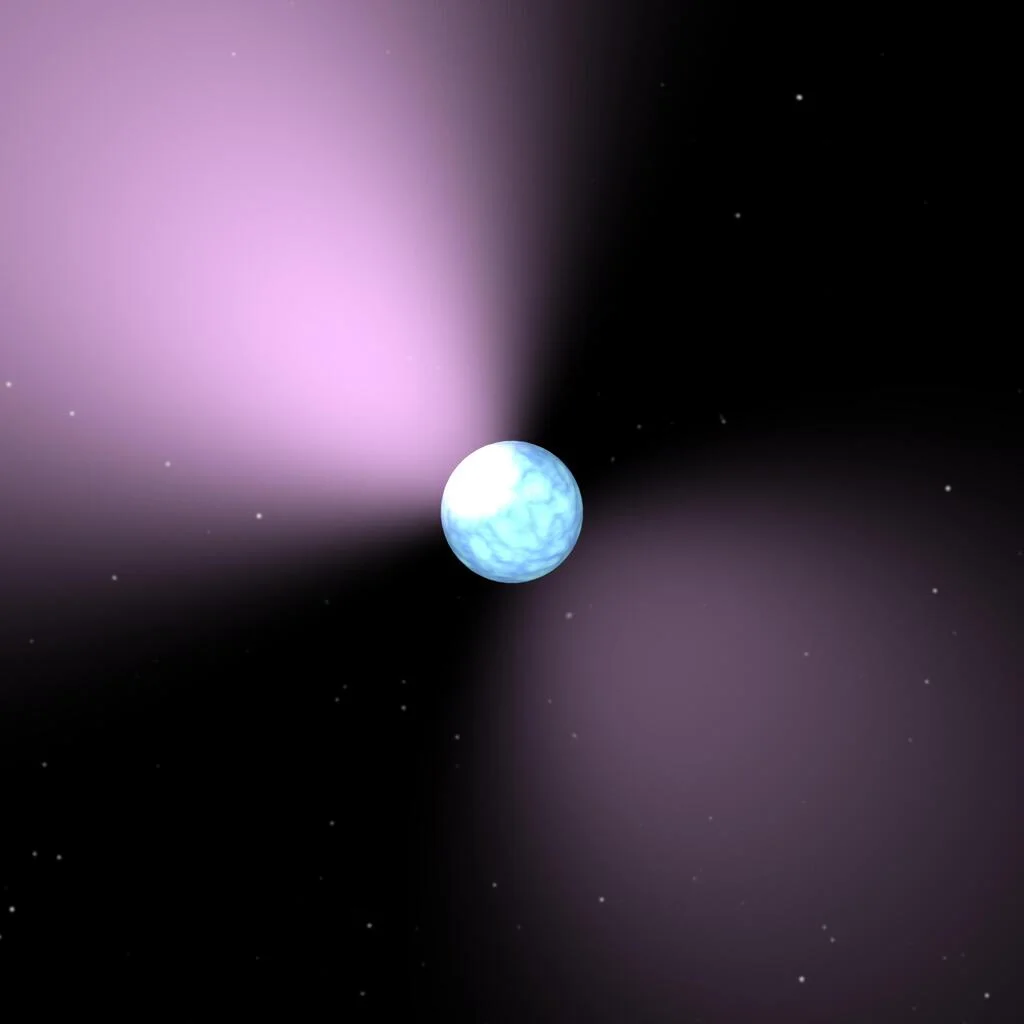
01Size20 kmTemp600,000 K (≈ 599,700 °C)
Neutron Star
A city-sized star with the mass of a sun.
StarStellar remnantCosmos
Loading…
ESA / Giotto / Halley Multicolour Camera Team
Halley's Comet Mount Everest
Drawn to true scale.
Halley's Comet Sun Distance from Earth
35.4×
farther from Earth
Distance from Earth
5.30 billion km
Halley's Comet is roughly 35.4× farther from Earth than Sun.
Picture this
Most people see Halley's Comet at most twice in their lives. It last visited in 1986. Its next pass is due in 2061. The same chunk of ice has been doing this since before the pyramids.
Halley's Comet is a peanut-shaped chunk of ice and dust about 15 km long, on a 76-year orbit that swings it from beyond Neptune to inside Venus's orbit. When it nears the Sun, the ice boils off and it grows two tails — one of dust, one of ionised gas — that stretch tens of millions of kilometres across the sky. Edmond Halley was the first to realise that comets seen in 1531, 1607, and 1682 were the same object returning. He predicted its 1758 comeback. He didn't live to see it, but it came.
Glossary
Did you know?
The 1986 ESA Giotto spacecraft flew within 600 km of Halley's nucleus — close enough that a dust grain punched through its camera. Most of what we know about the surface comes from that single fly-by.
Last updated 2026-10-04
You are here
Scale
An icy visitor that returns every human lifetime.
Size
11 km
Tap a dot to preview it. Use the Open stop link to read its full page. Stops are arranged from smallest on the left to largest on the right.
A city-sized star with the mass of a sun.
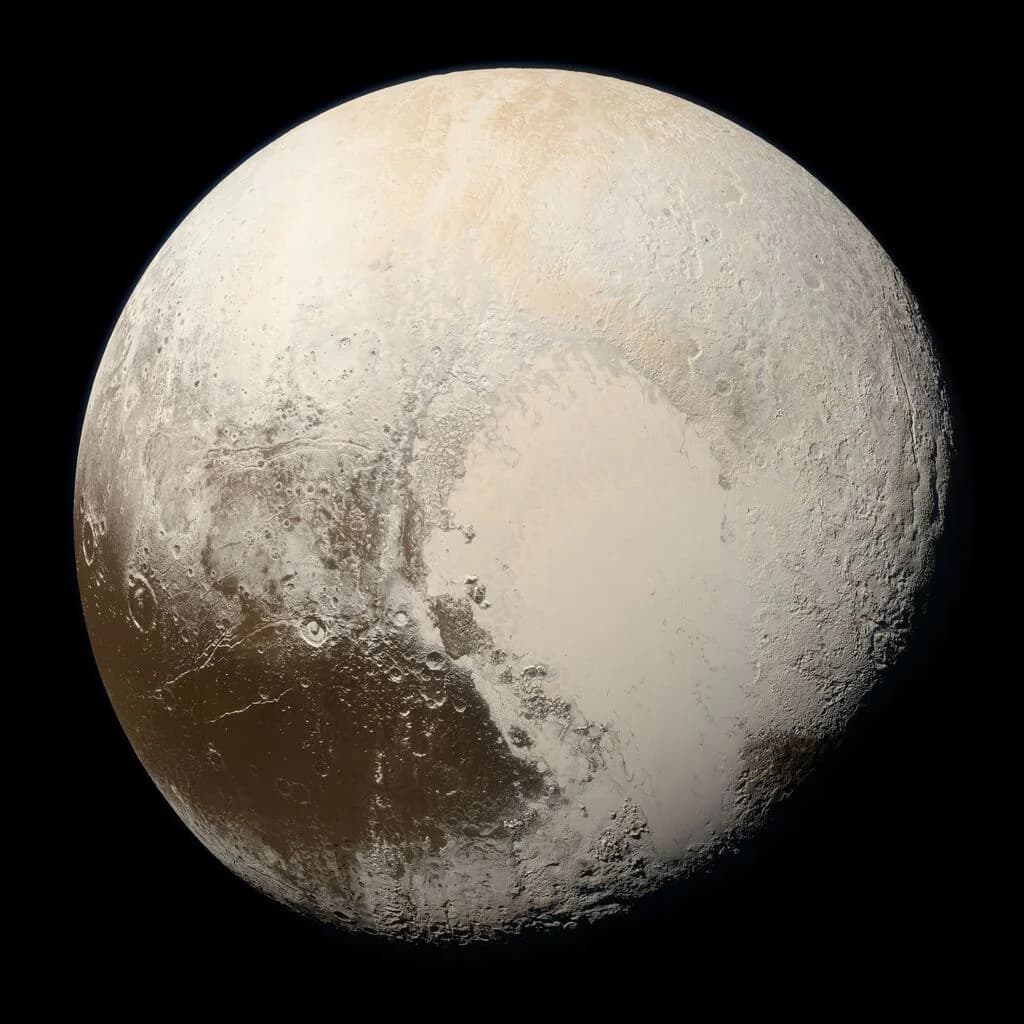
The dwarf planet that taught the Solar System has an outer layer we'd missed.
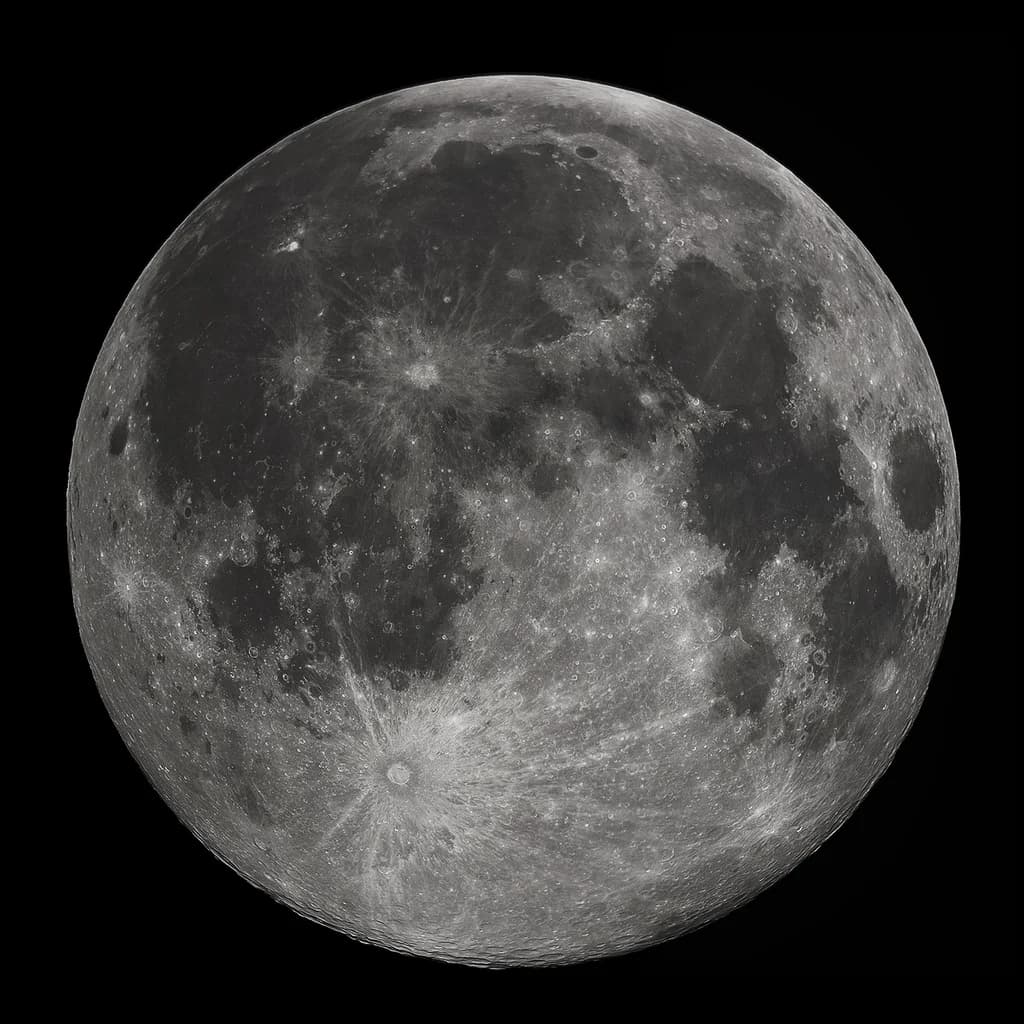
Earth's only natural satellite — locked to us forever.