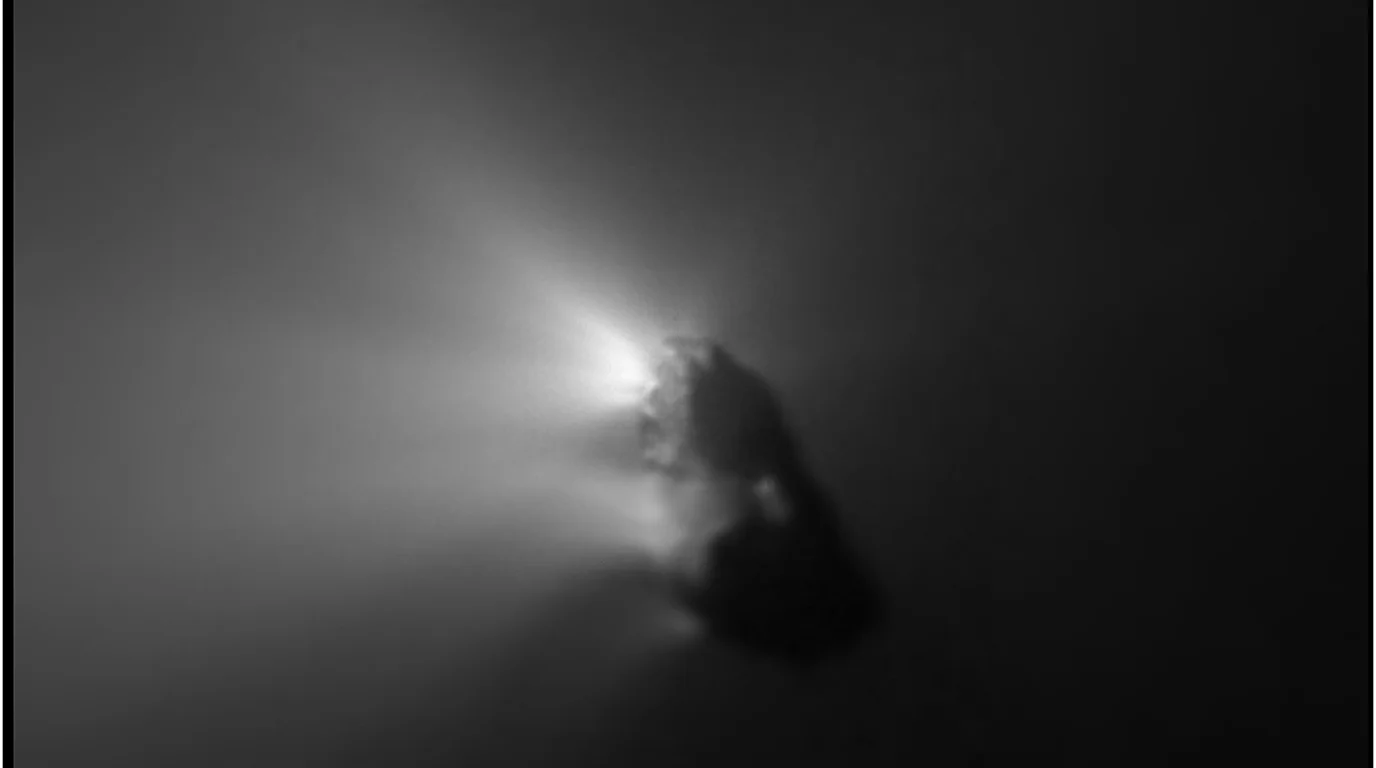
01Size11 kmDist5.30 billion kmTemp100 K (-173 °C)
Halley's Comet
An icy visitor that returns every human lifetime.
CometCosmos
Loading…
NASA / JPL
Voyager 1 Sun Distance from Earth
167×
farther from Earth
Distance from Earth
25.0 billion km
Voyager 1 is roughly 167× farther from Earth than Sun.
Picture this
Voyager 1 is so far away that a radio command from Earth takes almost a full day to reach it. If our Solar System were the size of a basketball court, Voyager would be a speck of dust at the very edge.
If you scale the distance
A radio signal from Earth takes more than 23 hours to reach Voyager 1 — almost a full day at the speed of light. If you shrank that gap to the length of a football pitch (105 m), Earth's distance from the Sun at the same scale would be less than one millimetre.
By weight
Voyager 1 weighs about 720 kg — roughly the same as a grand piano. That single piano-sized object is the only piece of human work that has ever crossed into interstellar space.
Voyager 1 launched from Cape Canaveral in September 1977 on a mission to fly past Jupiter and Saturn. Forty-nine years later it's still operating — now in interstellar space, about 168 astronomical units from Earth, sending back a faint trickle of data on the particles and magnetic fields around it. Every signal takes more than 23 hours to reach Earth at the speed of light.
Did you know?
Voyager 1 isn't aimed at any particular star. In about 40,000 years it will pass within 1.6 light-years of Gliese 445 — but by then the constellations we know will have rearranged themselves.
Last updated 2026-10-04
You are here
Distance from Earth
The farthest human-made object — and still calling home.
Distance
25.0 billion km
Tap a dot to preview it. Use the Open stop link to read its full page. Stops are arranged from Earth on the left, outward toward the edge of the observable universe.
An icy visitor that returns every human lifetime.
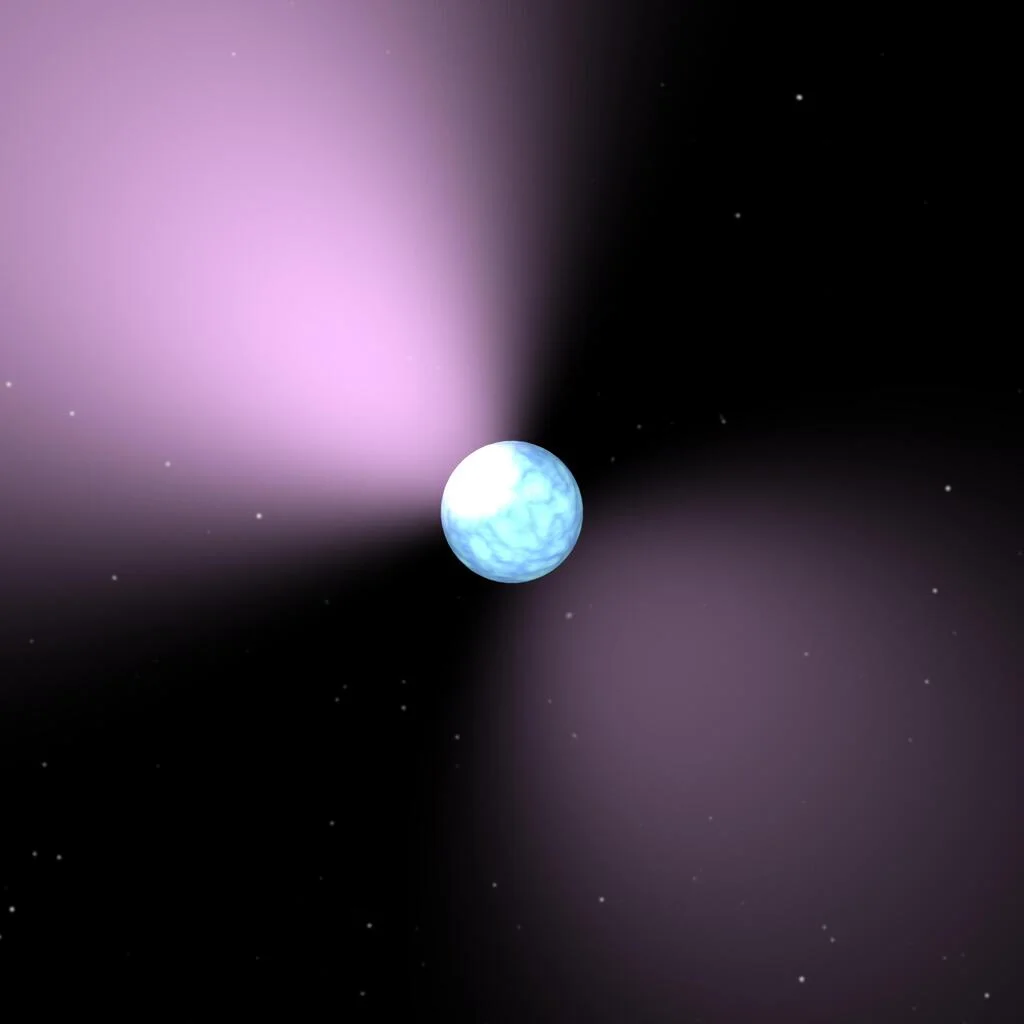
A city-sized star with the mass of a sun.
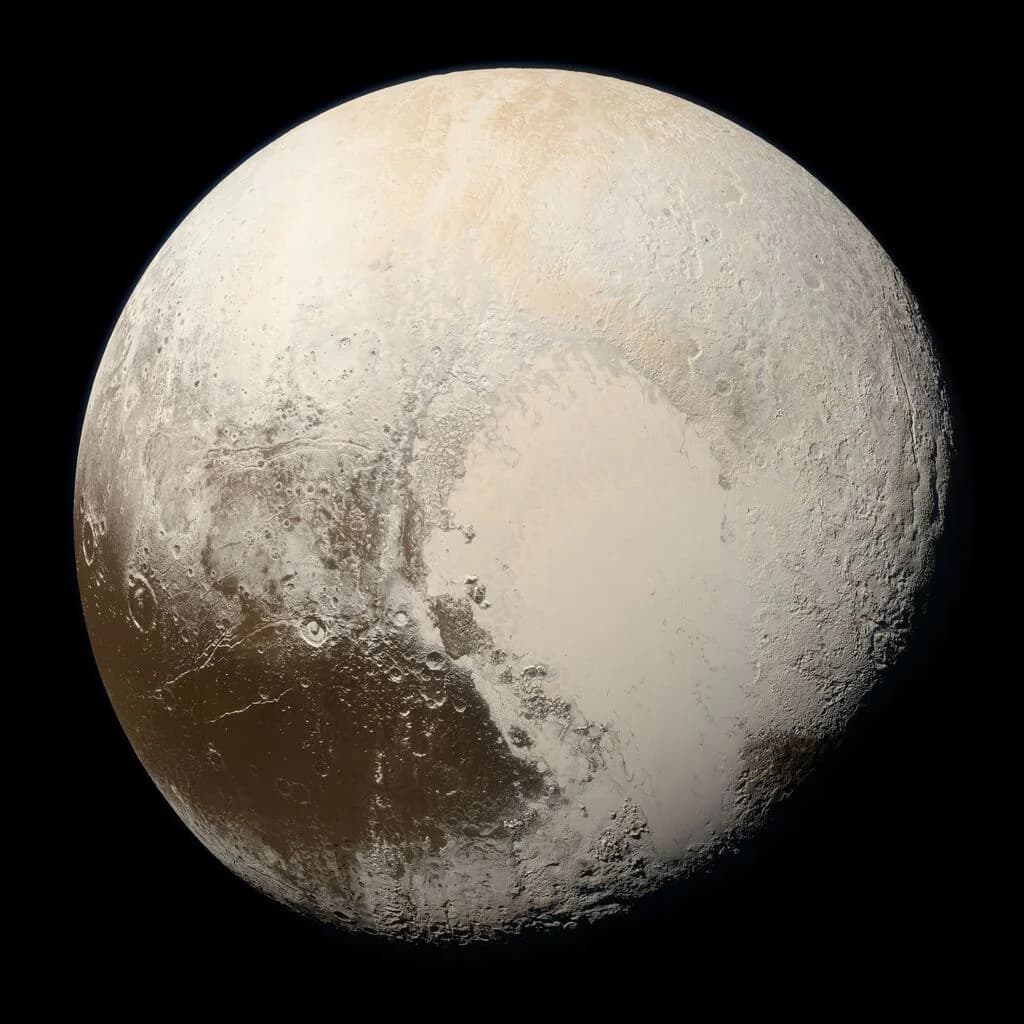
The dwarf planet that taught the Solar System has an outer layer we'd missed.