
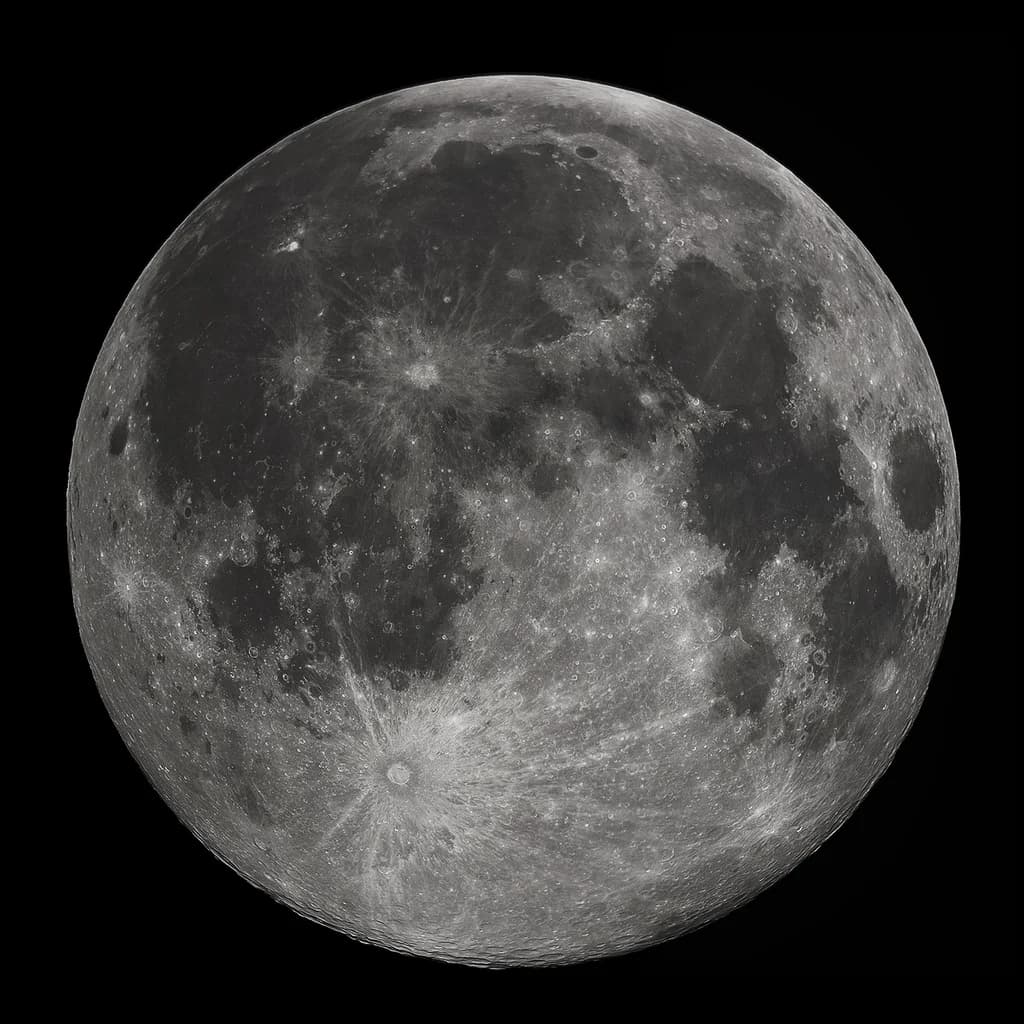
01Size3,475 kmDist384,400 kmTemp250 K (-23 °C)
The Moon
Earth's only natural satellite — locked to us forever.
SatelliteCosmos
Loading…
Topics
From light-seconds to the cosmic horizon.
Overview
Once you leave Earth, conventional units stop being useful. Astronomers measure distance in light-time (how long it took the light to reach us), in astronomical units (the Earth-Sun distance), or in parsecs and light-years. Below is a rough distance ladder, from the closest places we can reach to the edge of what we can ever see.
Distance from Earth
Our reference grain of sand.
Distance
Here
Tap a dot to preview it. Use the Open stop link to read its full page. Stops are arranged from Earth on the left, outward toward the edge of the observable universe.
Light takes about 1.3 seconds to reach Earth from the Moon, 8 minutes from the Sun, and 5 hours from Pluto. Voyager 1 — the farthest human-made object — is now about 22 light-hours out: nearly a full day of signal delay each way. Beyond that lies the Oort Cloud, a faint shell of icy bodies whose outer edge may sit at one full *light-year*.
Proxima Centauri, the nearest star beyond the Sun, is 4.24 light-years away. Alpha Centauri A and B sit just behind it. Sirius — the brightest star in our night sky — is 8.6 light-years away. The light from Vega left when many of today's high-school graduates were starting kindergarten. Travel at the fastest human-made speed and you'd reach Proxima in about 73,000 years.
Sagittarius A*, the supermassive black hole at our galactic centre, is 26,000 light-years from Earth. The far side of the Milky Way is around 80,000 light-years. Andromeda — our nearest large galactic neighbour — is 2.5 million light-years away; its light started travelling before our ancestors walked upright. The Virgo Cluster, the dense centre of our local cosmic neighbourhood, sits 54 million light-years off.
We can only see light that's had time to reach us since the Big Bang, but space has also been expanding the whole time the light was travelling. The most distant light we can see comes from objects that are *now* about 46 billion light-years away — even though their light has been travelling "only" 13.8 billion years. That is our observable horizon. Beyond it almost certainly lies more universe; the limit is on what we can know, not on what exists.
Earth's only natural satellite — locked to us forever.
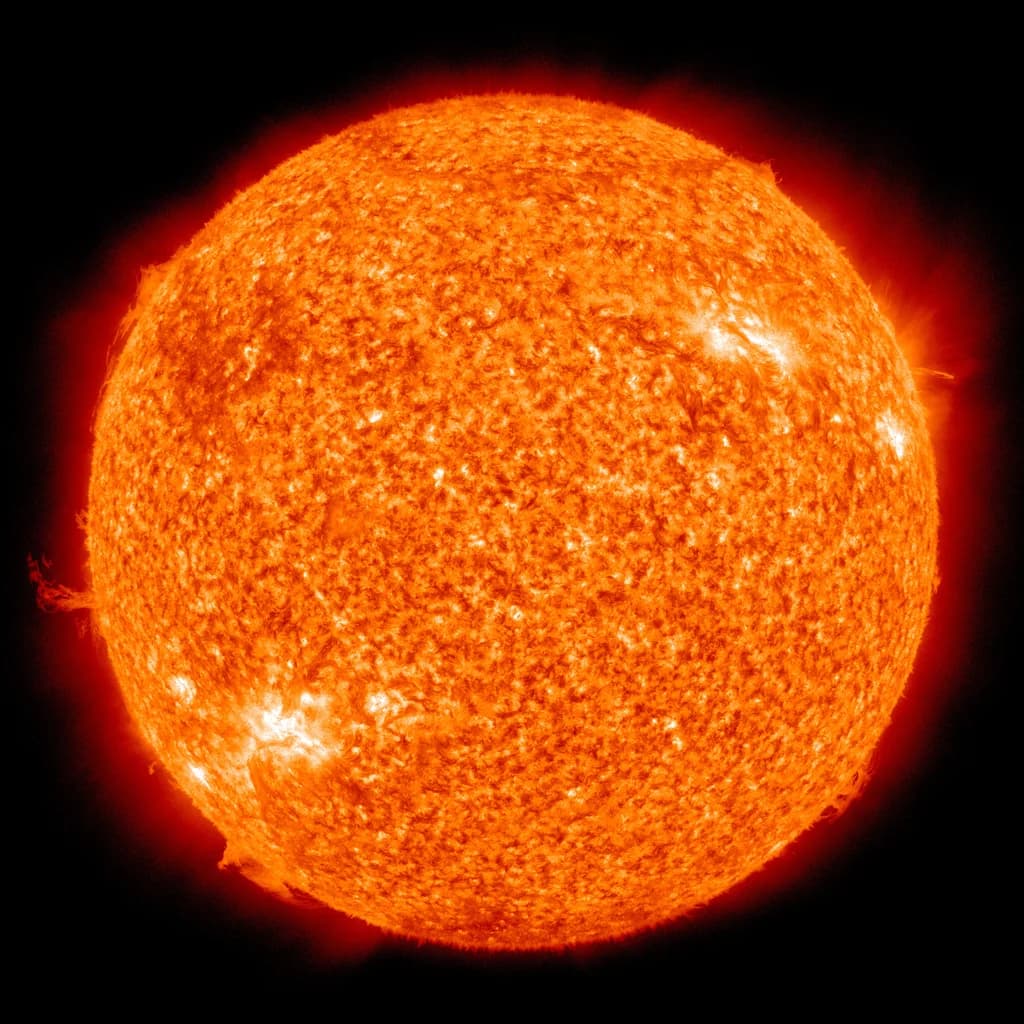
A self-sustaining fusion engine at the heart of our system.
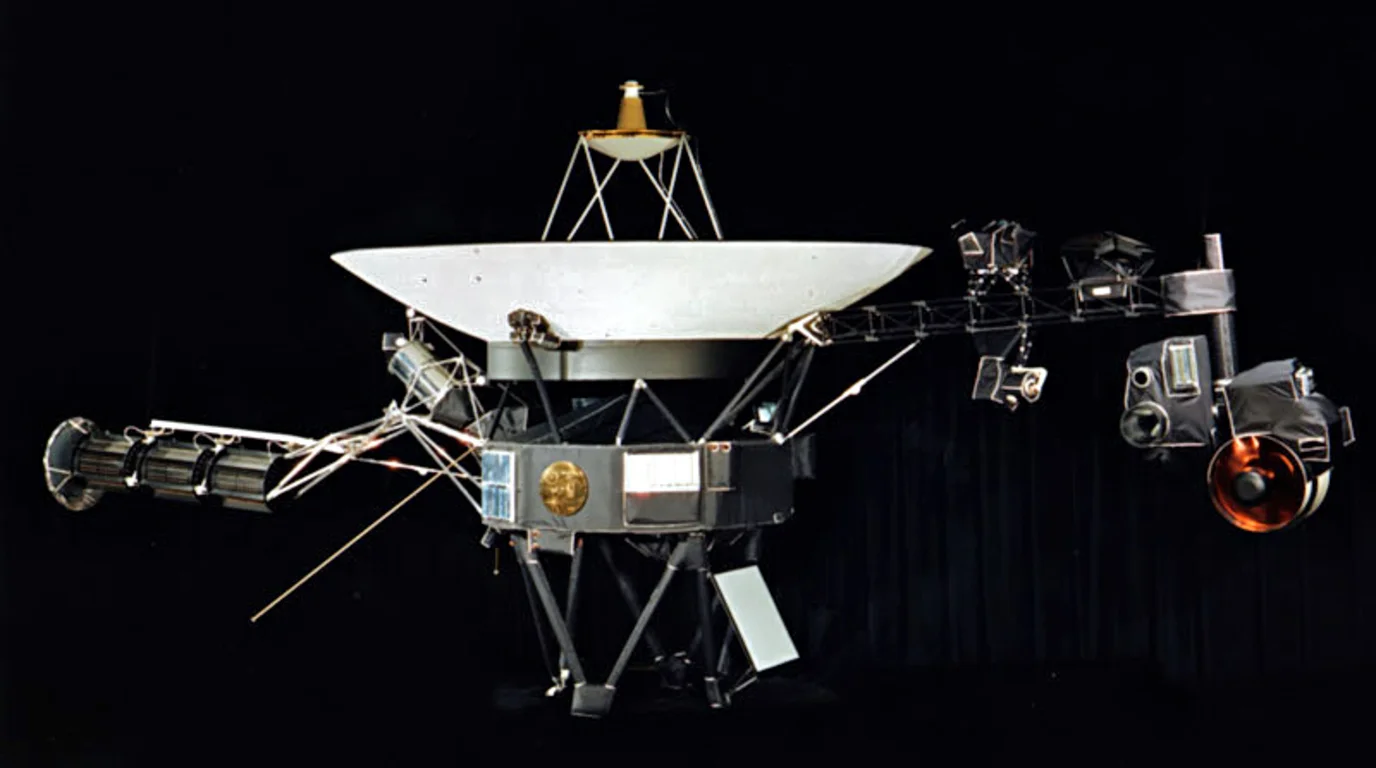
The farthest human-made object — and still calling home.
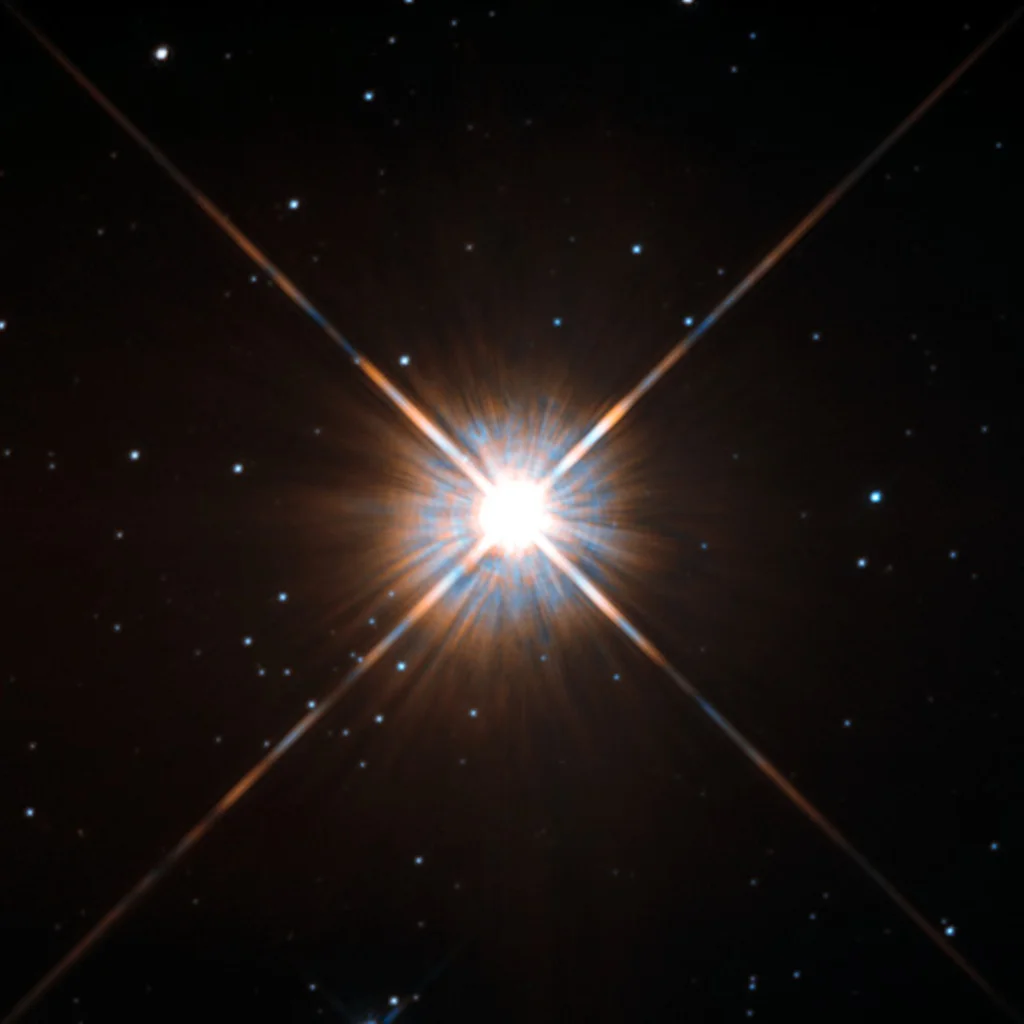
The closest known star to the Sun — and still impossibly far.
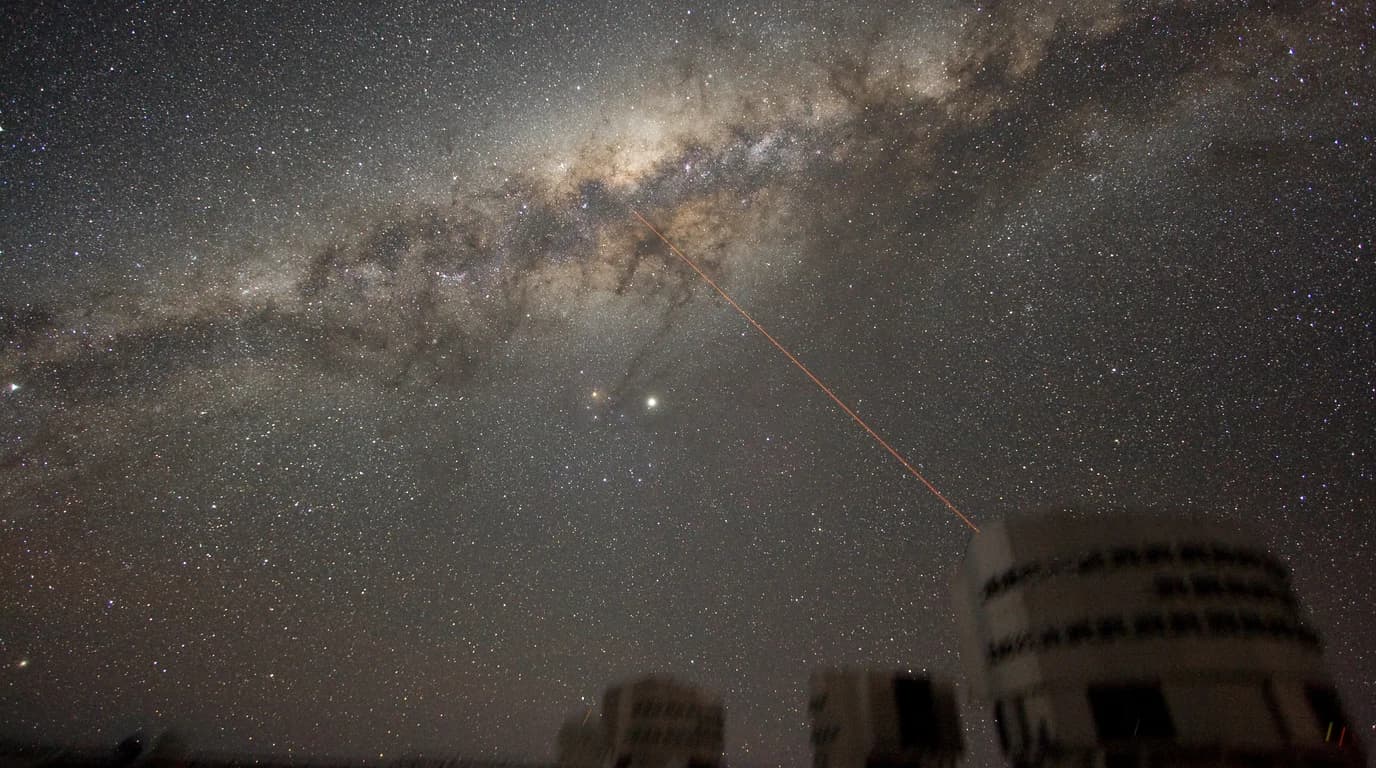
A spiral of roughly 200 billion stars — including ours.
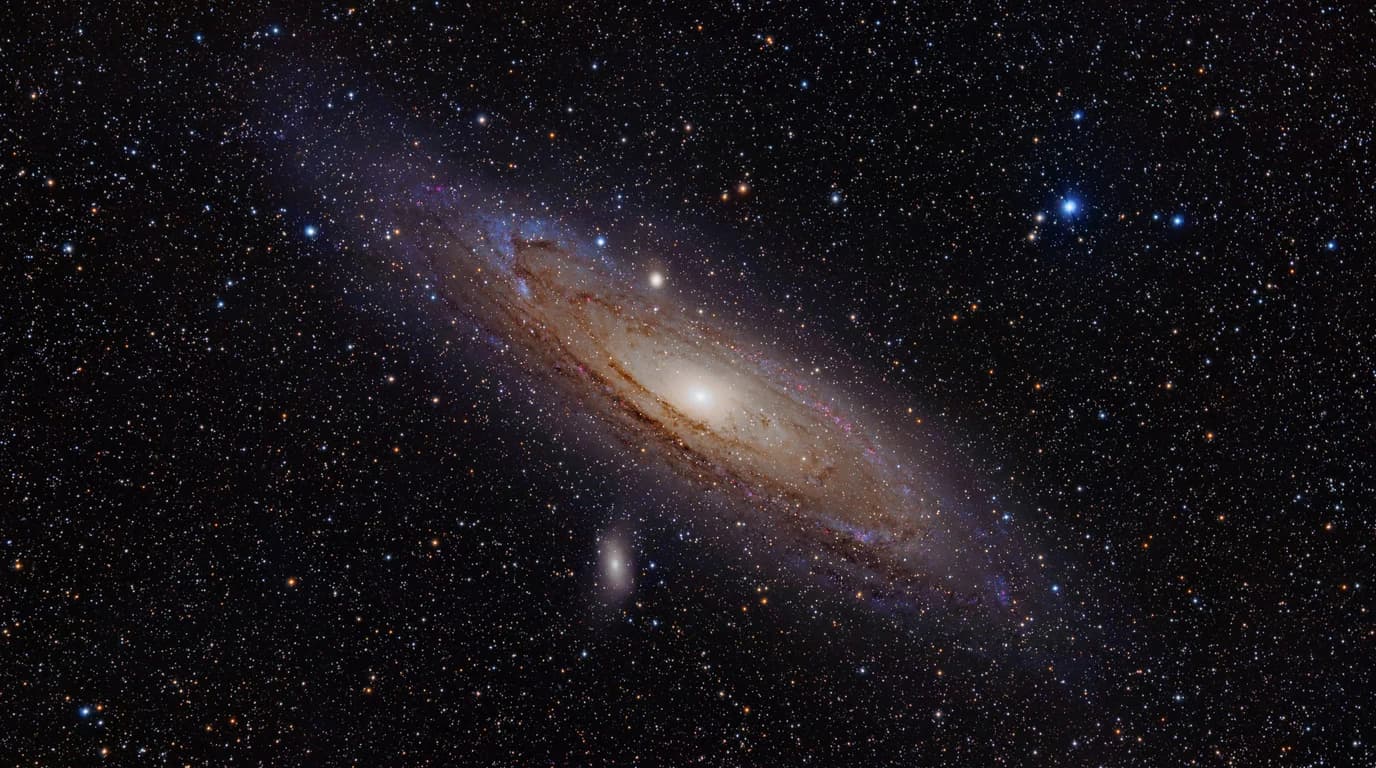
Our nearest large galactic neighbour — and our future collision partner.
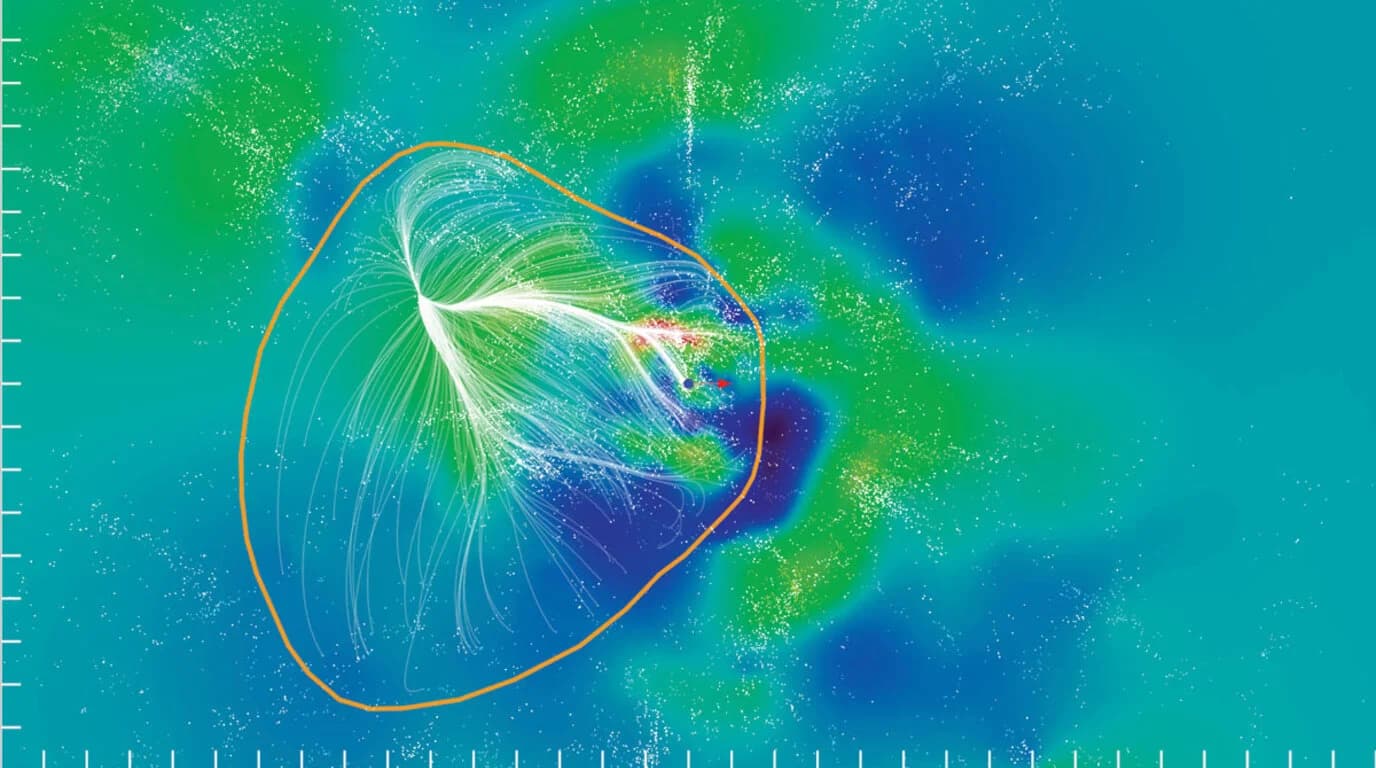
The supercluster of galaxy clusters our Milky Way lives inside.
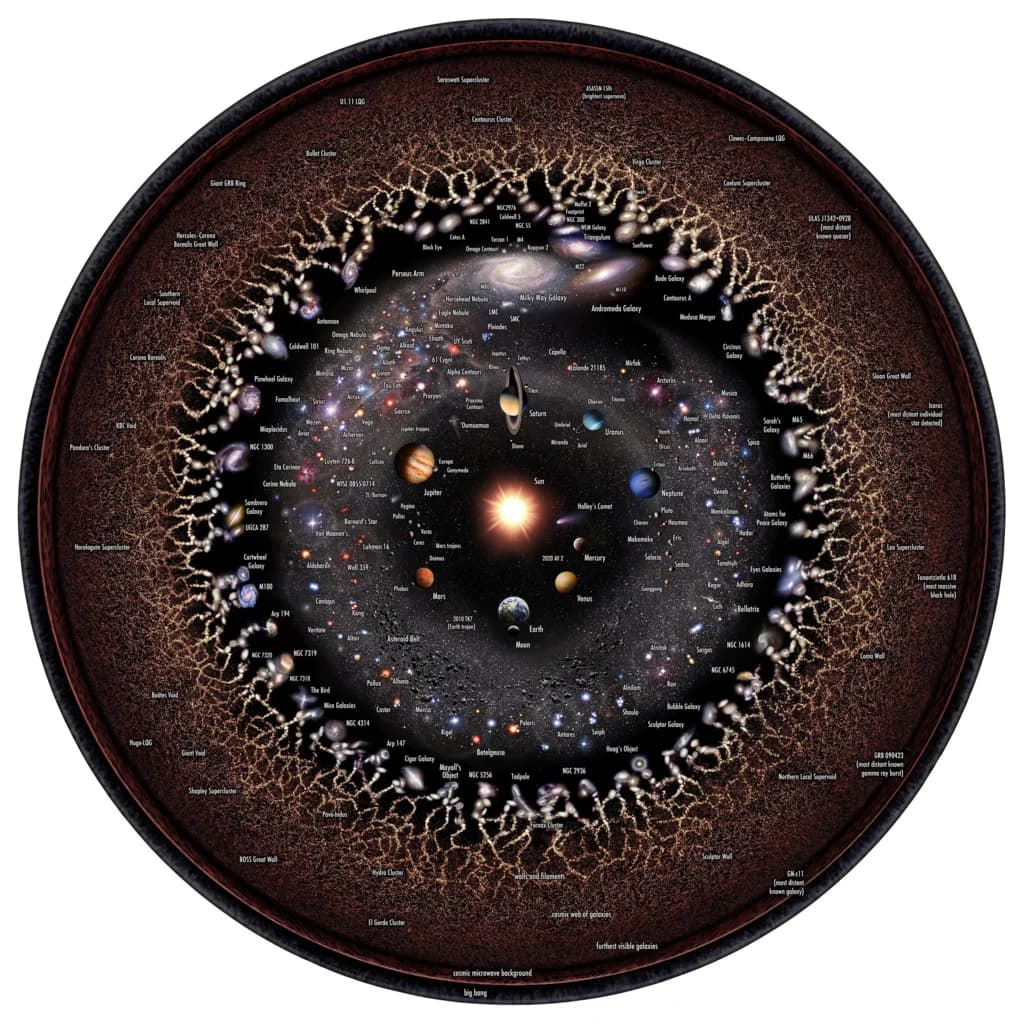
The 93-billion-light-year sphere we can, in principle, see.