
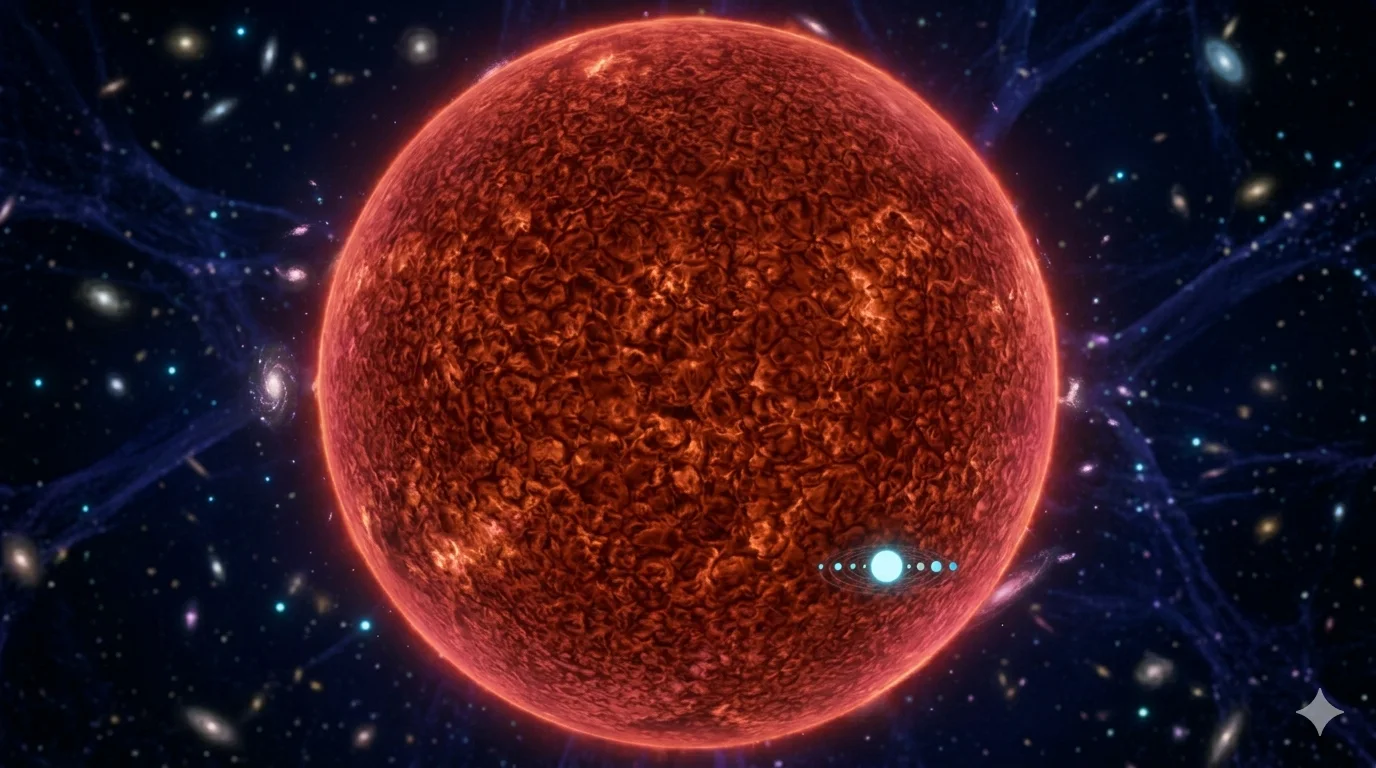
01Size1.26 billion kmDist5,866 lyTemp3,600 K (≈ 3,300 °C)
UY Scuti
If it replaced the Sun, its surface would reach past Mars.
StarHypergiantCosmos
Loading…
Topics
The biggest star, black hole, galaxy and cosmic structure — with honest error bars.
Overview
"Largest" is a slippery word in astronomy. Stars have fuzzy edges, black-hole masses are inferred indirectly, galaxies fade gradually into darkness, and some of the biggest claimed structures may be partly patterns in noise. So instead of one confident record per category, here are the leading contenders and how sure we are about each. Climbing from stars to the cosmic web, every step is roughly a thousand to a million times bigger than the one before.
The biggest stars are red supergiants and hypergiants — swollen, cool stars near the end of their lives. Their sizes are calculated from brightness and temperature, and brightness depends on distance, so estimates shift a lot. UY Scuti, once listed at about 1,700 times the Sun's radius, was revised down to roughly 900 after the Gaia mission improved its distance; it is the largest star on this journey, but no longer a record holder. Current leading candidates include Stephenson 2-18, estimated at around 1,800 solar radii with error bars of several hundred and some doubt about its distance; WOH G64 in the Large Magellanic Cloud, about 1,500; VY Canis Majoris, about 1,400; and RW Cephei, about 1,100. Placed where the Sun is, VY Canis Majoris would swallow the orbit of Jupiter, and even UY Scuti would reach past Mars into the asteroid belt. Size is not mass: these puffed-up giants weigh only around 7 to 40 Suns. The most massive star known, R136a1, has roughly 200 solar masses but is only a few dozen times wider than the Sun.
A black hole's size — the width of its event horizon — grows in direct proportion to its mass, so the biggest black holes are the heaviest. TON 618, a quasar whose light has travelled about 10.8 billion years, is estimated at around 40 billion solar masses (older estimates said 66 billion), giving an event horizon about 1,600 astronomical units across — some 20 times the width of Pluto's orbit. That mass comes from the speed of gas around the black hole, a method uncertain by a factor of two or three. The black hole in Holmberg 15A, the central galaxy of the cluster Abell 85, was weighed at about 40 billion solar masses from the motions of its stars, a more direct method. Phoenix-A's estimates range from a few billion to about 100 billion solar masses; this site uses about 25 billion. For comparison, M87*, the first black hole ever imaged, is about 6.5 billion solar masses, and Sagittarius A* at the centre of our galaxy about 4 million. Some theorists argue that black holes fed by glowing accretion disks struggle to grow past about 50 billion solar masses, which would put TON 618 near a natural ceiling.
Galaxies have no sharp edge — their light simply fades into the dark — so their sizes depend on how deep you look. The Milky Way's starry disk is about 100,000 light-years across. The largest known spiral, the Condor Galaxy (NGC 6872), stretches more than 500,000 light-years from tip to tip, pulled out by a collision with a neighbour. The true giants are elliptical galaxies at the hearts of galaxy clusters. IC 1101 is the classic example: its faint halo of stars has been traced across well over a million light-years, though published figures vary widely with the depth of the images and the definition used. If you count radio jets, the records grow further. Porphyrion, reported in 2024, blasts jets from its central black hole that span about 23 million light-years end to end — the longest known — overtaking Alcyoneus, at about 16 million light-years, found in 2022. Those jets are thin streams of plasma, not stars, so most astronomers do not count them as part of the galaxy's size.
Galaxy clusters are the largest things in the universe held together by their own gravity. They span a few million to about 15 million light-years and can contain thousands of galaxies; the nearest big one, the Virgo Cluster, has about 1,500 galaxies and lies about 54 million light-years away. Above that scale, structures are not bound — cosmic expansion is slowly pulling them apart. Superclusters are mapped by how galaxies move. Laniakea, our own, was defined in 2014 by Brent Tully and colleagues from the motions of thousands of galaxies. It spans roughly 500 million light-years and contains about 100,000 galaxies, all flowing toward a gravitational basin called the Great Attractor. Because it is defined by flows, its exact boundaries depend on method. Between the superclusters lie voids: the Boötes Void, for instance, is a nearly empty region about 330 million light-years across.
Beyond superclusters, astronomers have reported a series of giant patterns. The Sloan Great Wall (found in 2003) and the South Pole Wall (2020) each stretch about 1.4 billion light-years. Quipu, described in 2025, is a similar-sized chain of galaxy clusters and has been called the largest known structure in the nearby universe. Further out, the Big Ring (2024) is a ring of galaxies about 1.3 billion light-years in diameter, and the Giant Arc (2021) a crescent about 3.3 billion light-years long. The most extreme claim is the Hercules–Corona Borealis Great Wall, identified in 2013–2014 from an apparent clustering of gamma-ray bursts and estimated at around 10 billion light-years long. It rests on a small number of bursts, and other analyses argue it may be a statistical fluke or a side effect of where telescopes have looked; treat it as contested. Cosmologists expect the universe to look smooth on scales above roughly 1.2 billion light-years. Some of these structures challenge that expectation, but simulations of standard cosmology also produce chance patterns this large, so none has yet overturned it.
Everything above fits inside the observable universe, a sphere about 93 billion light-years across — the region from which light has had time to reach us in 13.8 billion years of cosmic expansion. It contains hundreds of billions of galaxies, perhaps as many as 2 trillion. It is about 930,000 Milky Ways wide, nearly 190 Laniakeas, and roughly 700 trillion UY Scutis. Whether the whole universe is larger — finite but enormous, or infinite — is an open question. That makes the observable universe the largest thing we can actually measure, rather than the largest thing that exists.
If it replaced the Sun, its surface would reach past Mars.
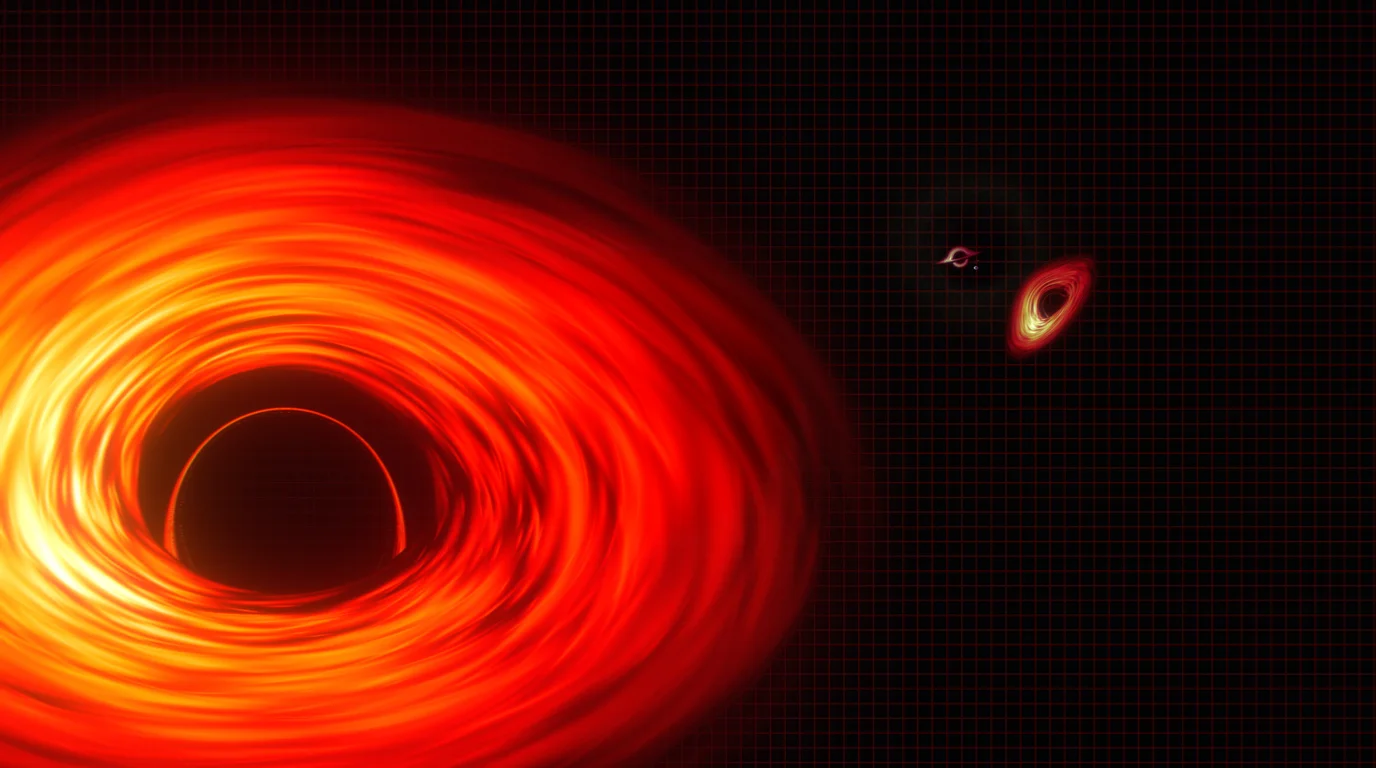
An ultramassive quasar — one of the largest black holes ever measured.
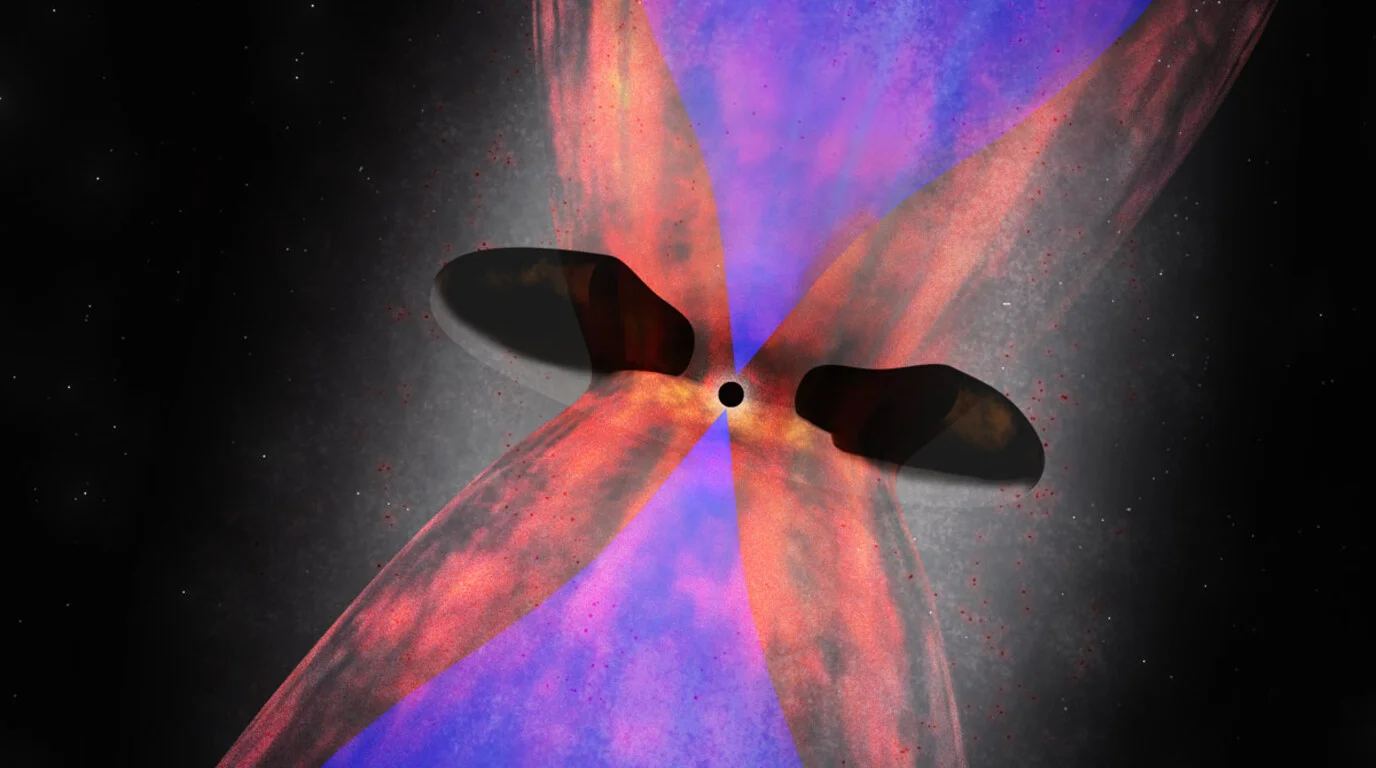
At the heart of the Phoenix Cluster — among the most massive known black holes.
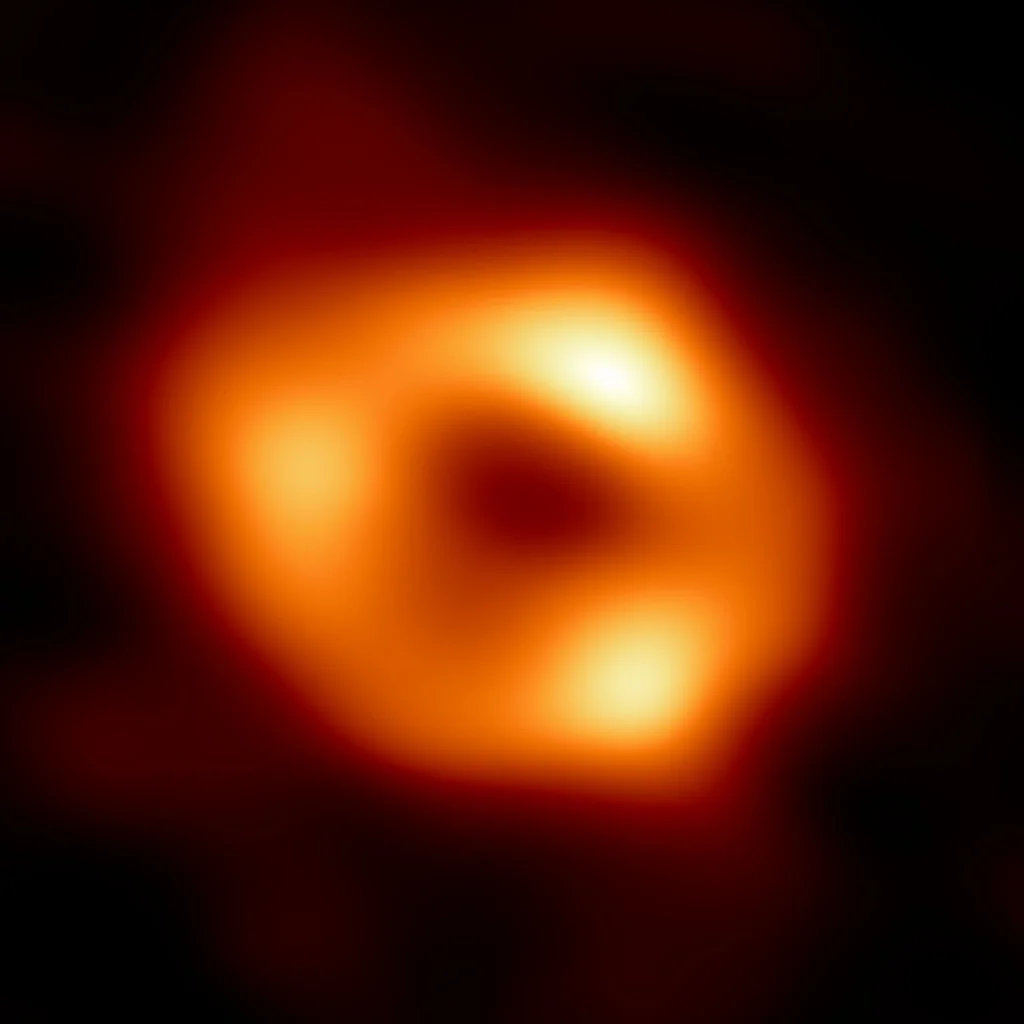
The supermassive black hole at the heart of our galaxy — and its more extreme cousins.
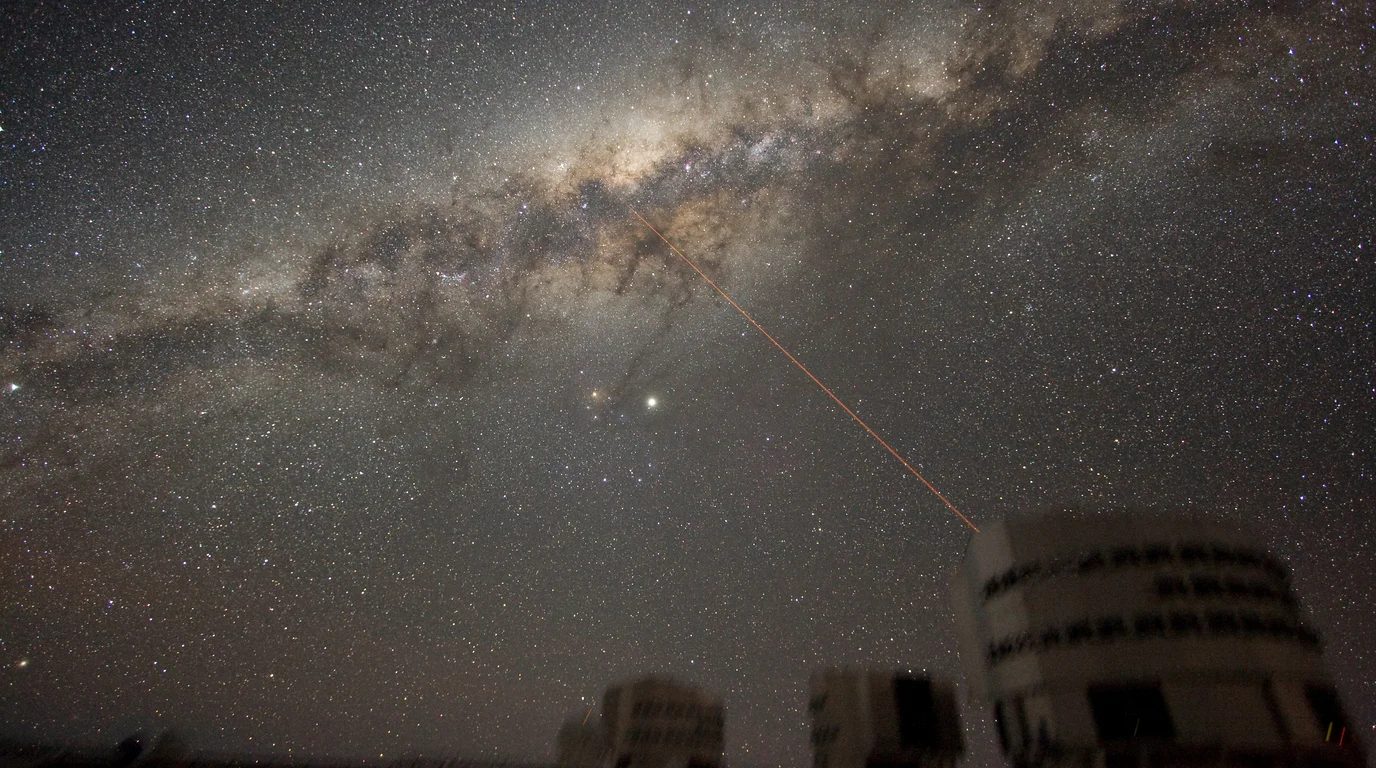
A barred spiral of hundreds of billions of stars — including ours.
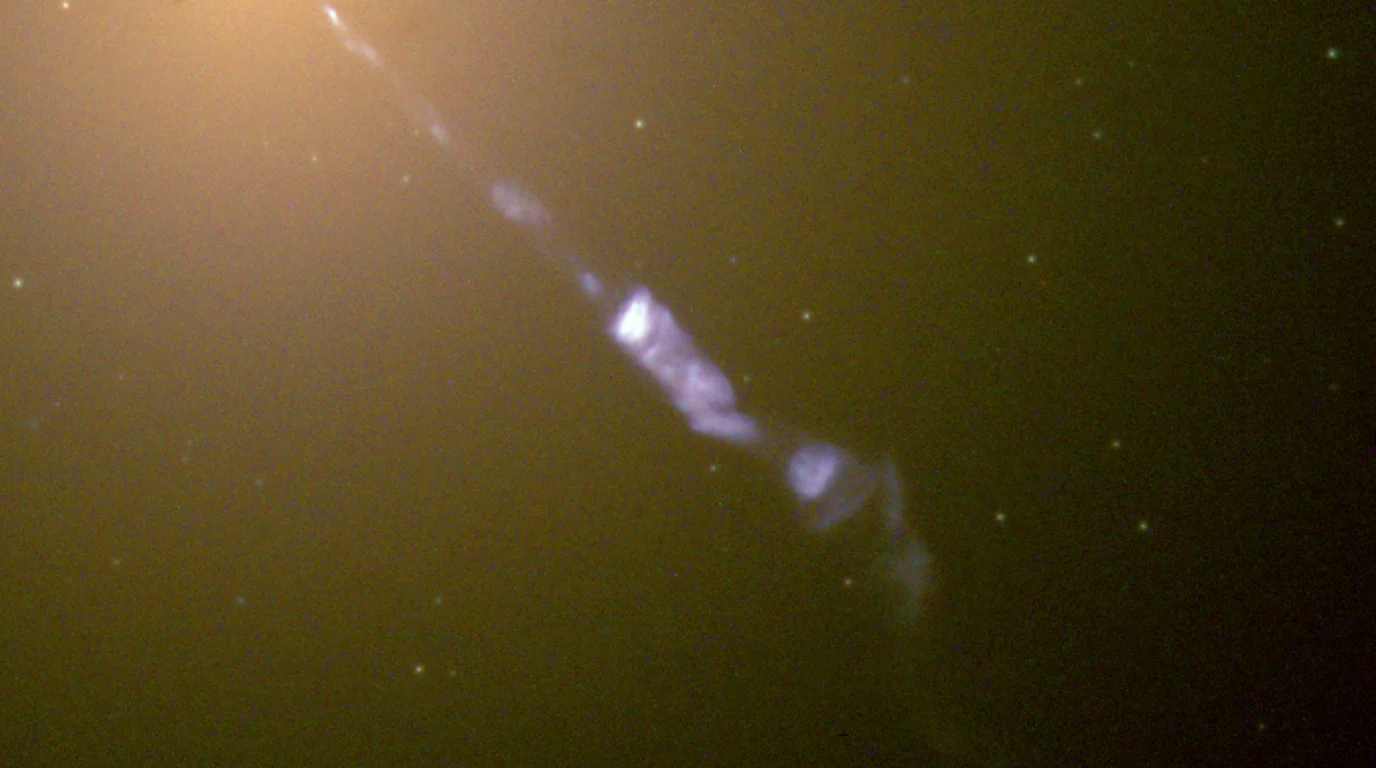
The nearest large galaxy cluster — over a thousand galaxies bound by gravity.
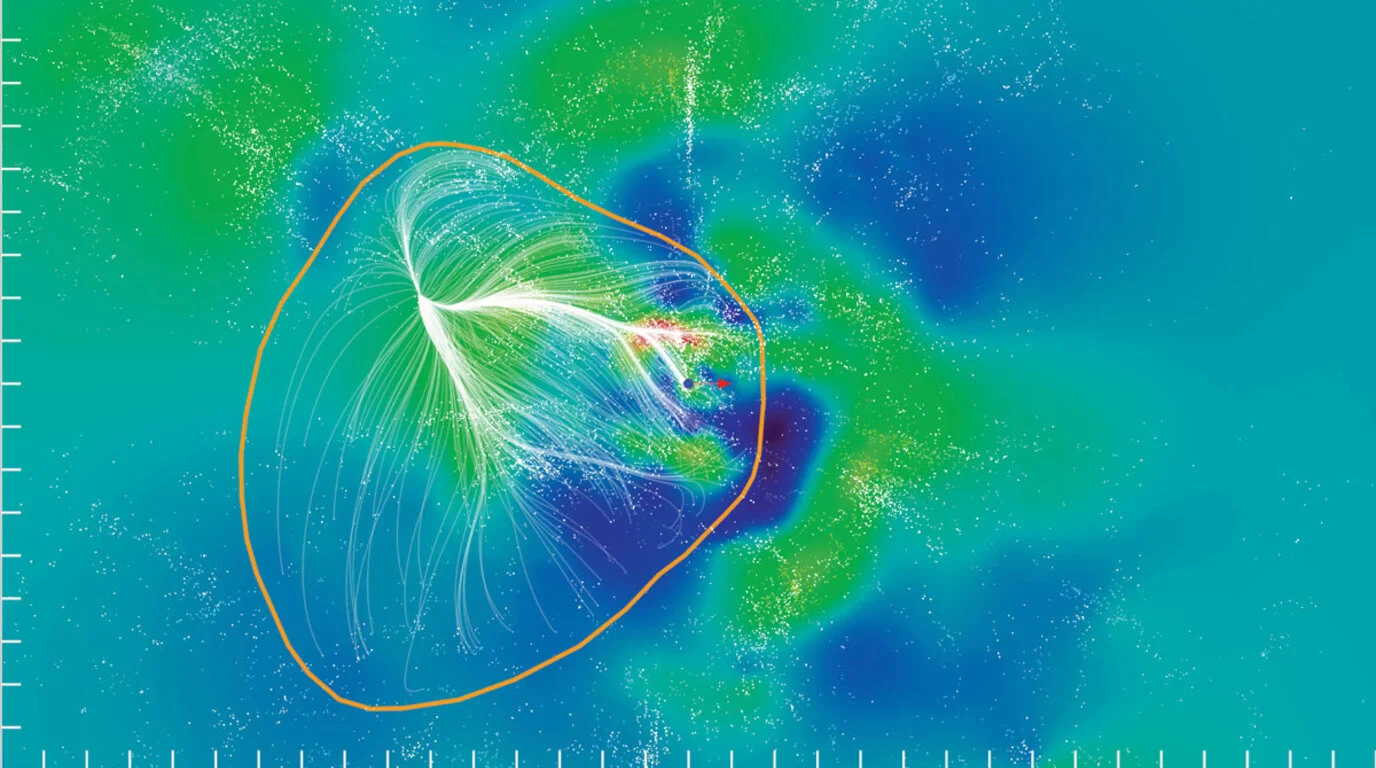
The supercluster of galaxy clusters our Milky Way lives inside.
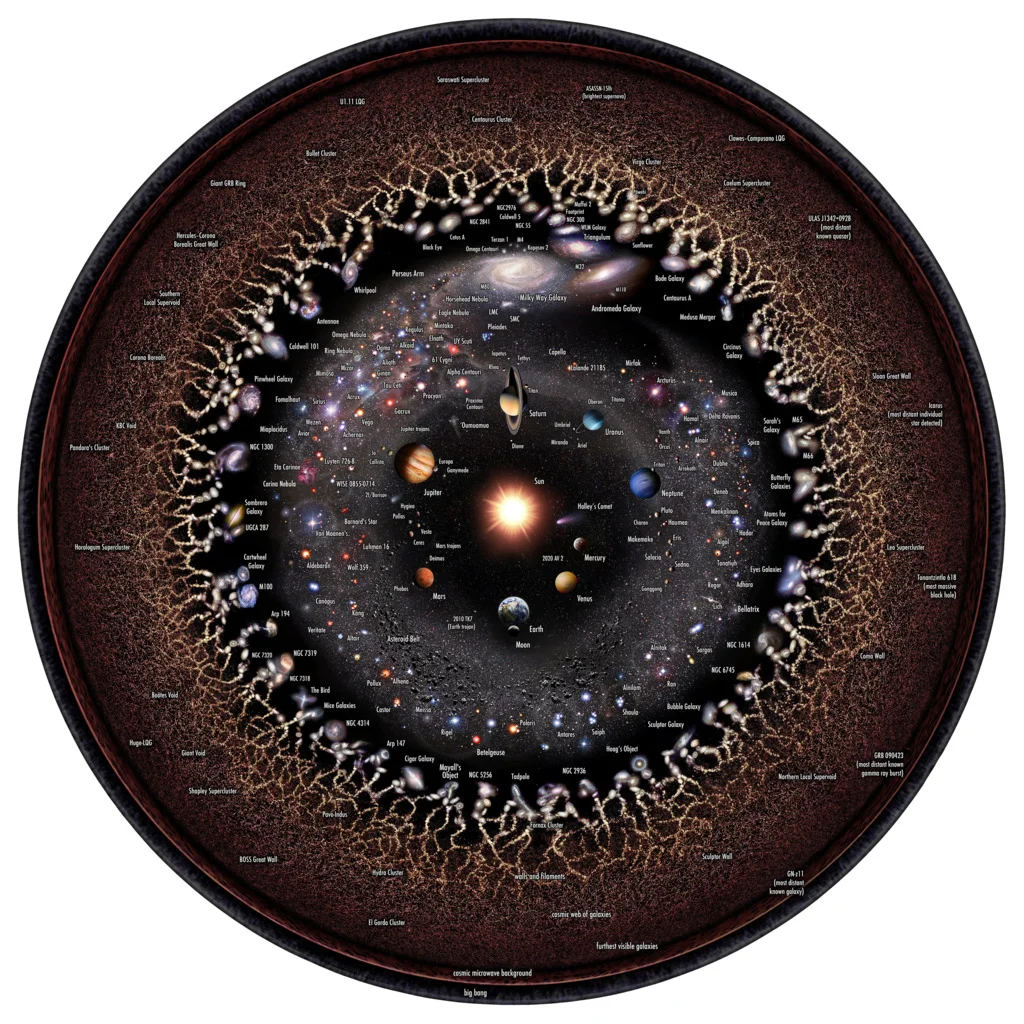
The 93-billion-light-year sphere we can, in principle, see.