01Size150 billion kmDist5.70 billion ly
Phoenix-A
At the heart of the Phoenix Cluster — among the most massive known black holes.
Black holeCosmos
Loading…
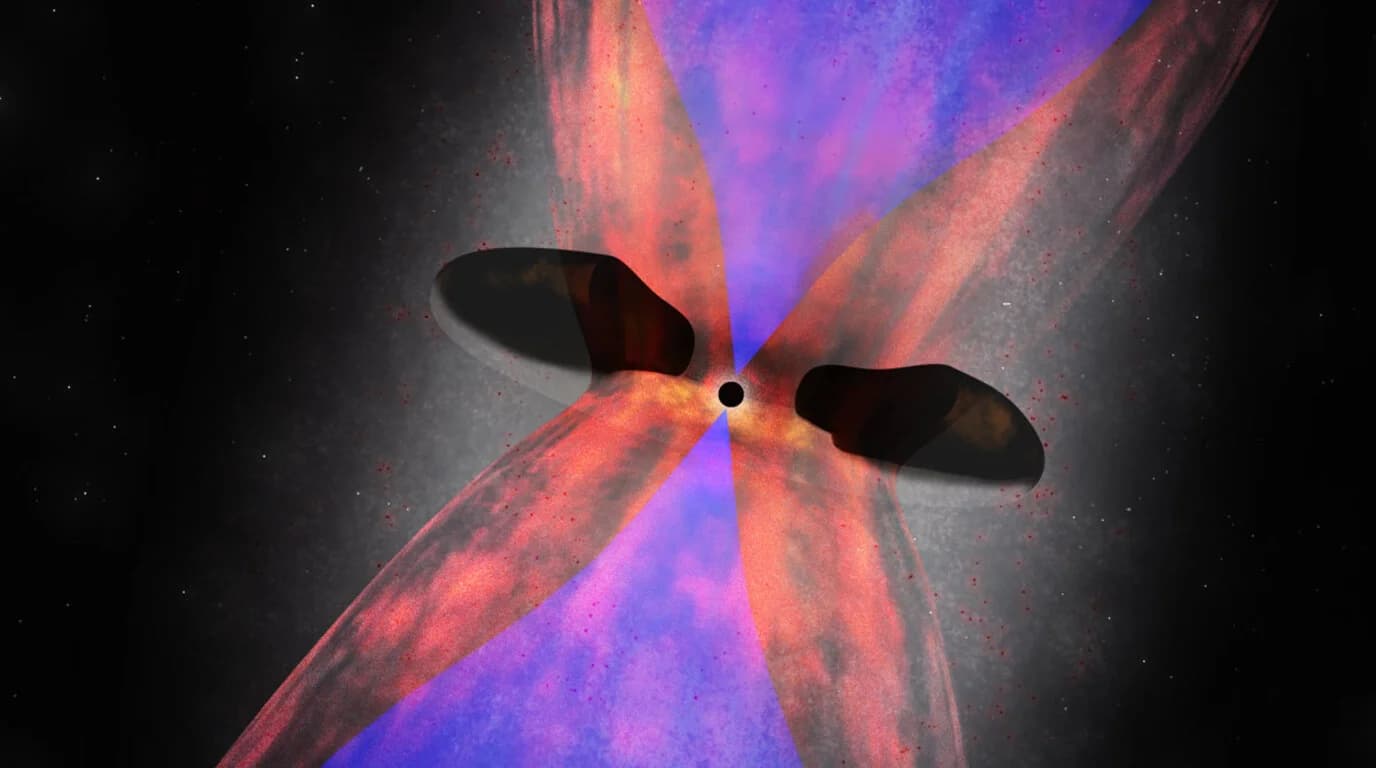
An ultramassive quasar — one of the largest black holes ever measured.
NASA / Goddard / Scientific Visualization Studio
TON 618 Andromeda Distance from Earth
4,087×
farther from Earth
Distance from Earth
10.4 billion ly
TON 618 is roughly 4,087× farther from Earth than Andromeda.
Picture this
If our Sun were a marble, TON 618's event horizon at the same scale would be wider than the entire planet Earth.
By weight
TON 618 weighs around 40 billion Suns — ten thousand times the mass of Sagittarius A* at the centre of our galaxy. How black holes this large grew so early in cosmic history is one of the open puzzles of cosmology.
TON 618 is a quasar — an actively feeding supermassive black hole — at the heart of a distant galaxy roughly 10.4 billion light-years from Earth. Its mass is estimated at around 40 billion solar masses, with an event horizon roughly 1,300 astronomical units across. The light we see from it left when our Sun did not yet exist; what TON 618 looks like now, no one will ever know.
Did you know?
TON 618 is a hyperluminous quasar — its accretion disk shines with the brightness of 140 trillion Suns, which is how we can see it across most of the visible universe.
Last updated 2026-10-04
You are here
Scale
An ultramassive quasar — one of the largest black holes ever measured.
Size
195 billion km
Tap a dot to preview it. Use the Open stop link to read its full page. Stops are arranged from smallest on the left to largest on the right.
At the heart of the Phoenix Cluster — among the most massive known black holes.
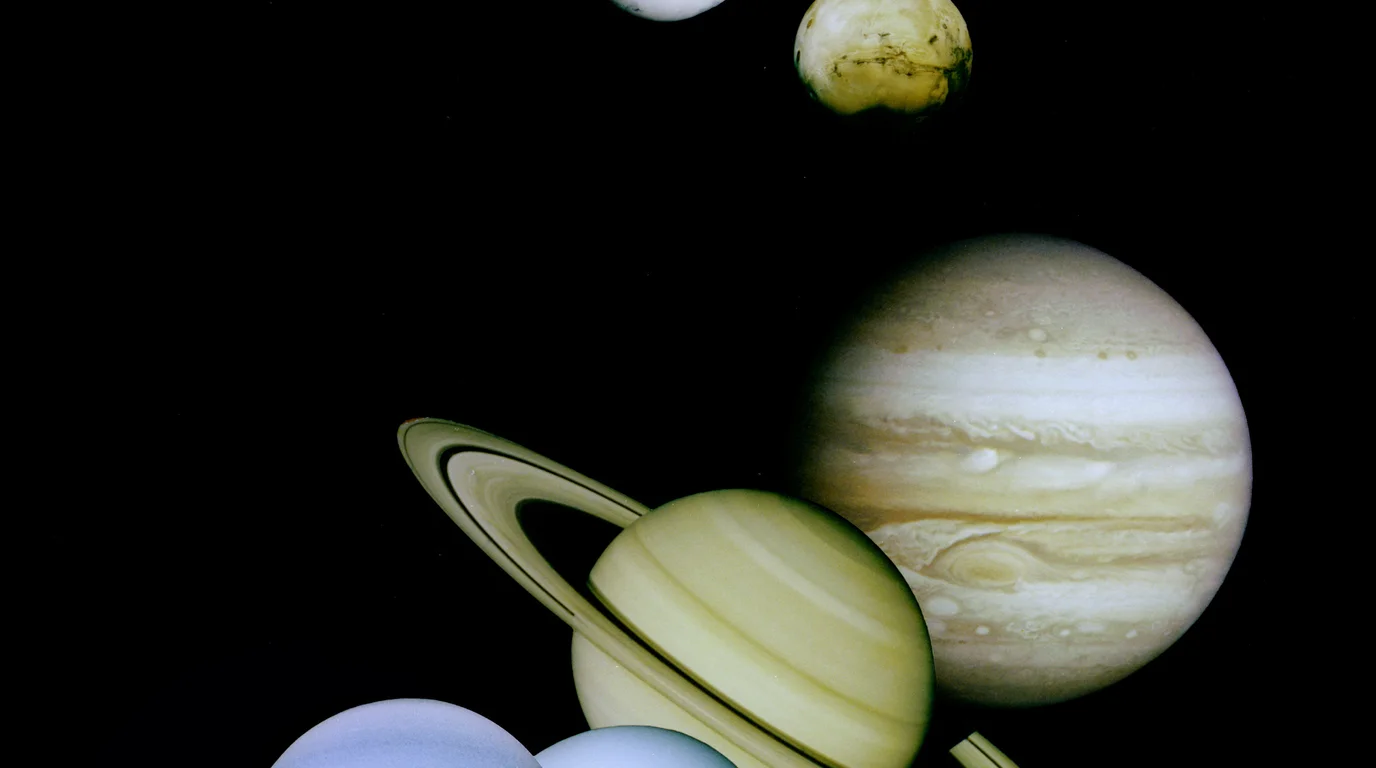
One star and everything held in its gravity.
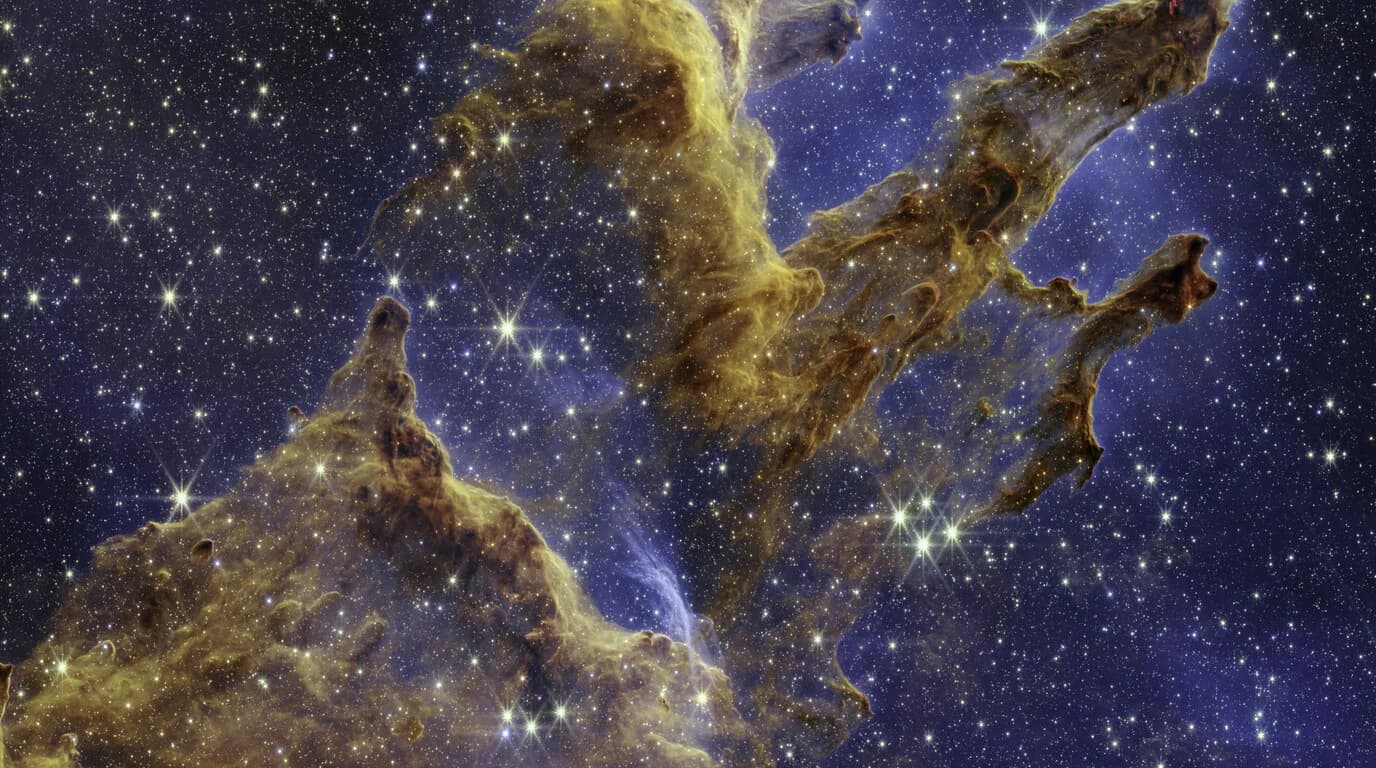
The distance a single beam of light covers in one year.