
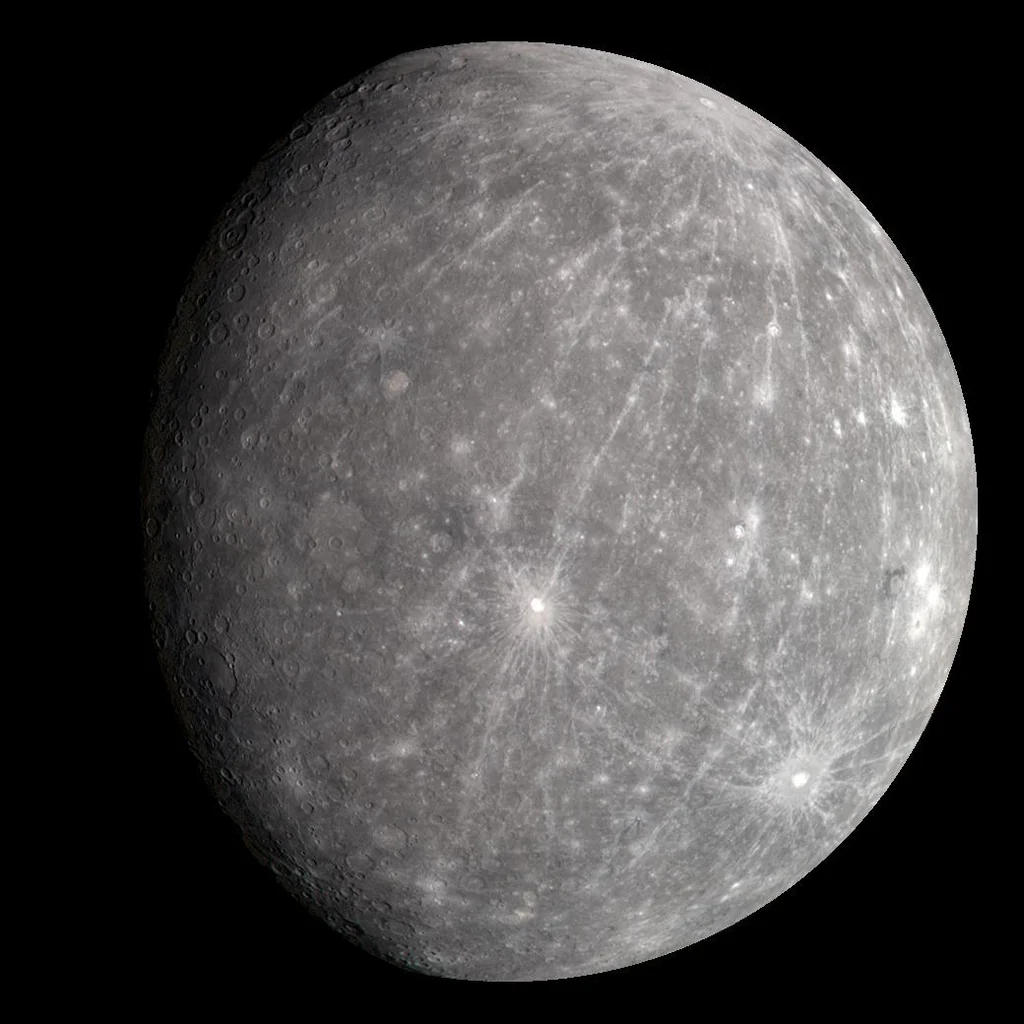
01Size4,879 kmDist155 million kmTemp440 K (167 °C)
Mercury
The innermost planet — a cratered world of impossible extremes.
PlanetCosmos
Loading…
Topics
All eight planets, plus Pluto and the Moon, side by side — diameters, volumes, and a scale model you could walk.
Overview
The planets of the Solar System differ in size far more than most illustrations let on. Jupiter is about 29 times wider than Mercury, the Sun is about ten times wider than Jupiter, and the four giant planets hold more than 99% of all planetary mass. Below are the numbers — mean diameters from NASA's planetary fact sheets — in order, followed by the volume comparisons people most often ask about and a scale model that makes the gaps between the planets feel as real as their sizes.
Using mean diameters: first, Jupiter, 139,820 km — about 11 Earths across. Second, Saturn, 116,460 km — about 9.1 Earths. Third, Uranus, 50,724 km — about 4 Earths. Fourth, Neptune, 49,244 km — just under 3.9 Earths. Fifth, Earth, 12,742 km. Sixth, Venus, 12,104 km — 95% of Earth's width, almost a twin. Seventh, Mars, 6,779 km — 53% of Earth. Eighth, Mercury, 4,879 km — 38% of Earth. For comparison, our Moon is 3,475 km across (27% of Earth), and the dwarf planet Pluto is 2,377 km (19% of Earth) — smaller than the Moon. And the Sun, at about 1.39 million km, is roughly 109 Earths wide. The giant planets spin so fast that they visibly bulge: Jupiter measures 142,984 km across the equator but 133,708 km from pole to pole, and Saturn 120,536 km against 108,728 km. That is why figures quoted for them vary depending on whether a source gives the equatorial or the mean diameter.
Volume grows with the cube of width, so modest differences in diameter become huge differences in volume. Jupiter is about 11 times wider than Earth, so about 1,300 Earths would fit inside it by volume. Saturn holds about 760 Earths, Uranus about 63 and Neptune about 58. The Sun, 109 times Earth's width, has the volume of about 1.3 million Earths — or about 1,000 Jupiters. Going the other way, roughly 49 Moons would fill Earth, and about three Plutos would fill the Moon. (These are volume ratios. Real spheres leave gaps when packed, so fewer solid balls would actually fit.) Mass tells a different story from size. Jupiter is 318 times Earth's mass, not 1,300 times, because it is mostly hydrogen and helium. Saturn is so light for its size that its average density, about 0.69 grams per cubic centimetre, is lower than that of water. And Neptune, although slightly smaller than Uranus, is the heavier of the two — about 17 Earth masses against Uranus's 14.5.
Quantumaire's reference scale shrinks Earth to a single 0.5 mm grain of sand. At that scale the Sun is a ball about 5.4 cm across — billiard-ball size — and Earth sits about 5.9 metres from it. Mercury is a 0.19 mm speck 2.3 m from the Sun. Venus is 0.47 mm, at 4.2 m. Earth is the 0.5 mm grain, at 5.9 m, with the Moon a 0.14 mm fleck just 1.5 cm away. Mars is 0.27 mm, at 8.9 m. Jupiter is the biggest bead, about 5.5 mm, at 31 m. Saturn is 4.6 mm, at 56 m. Uranus is 2 mm, at 113 m. Neptune is 1.9 mm, at 177 m. Pluto, a 0.09 mm dust mote, circles on average about 230 m out. The whole planetary system fits inside a few city blocks — but the nearest star, Proxima Centauri, would be another small ball about 1,600 kilometres away. That emptiness is the real lesson of any honest scale model: the planets are tiny compared with the distances between them.
Line up the seven other planets edge to edge, using their mean diameters, and they add up to about 380,000 km — just under the average Earth–Moon distance of 384,400 km. (It only works on average: when the Moon is at its closest, around 363,000 km, they no longer fit.) Two moons are wider than the planet Mercury — Jupiter's Ganymede at 5,268 km and Saturn's Titan at 5,150 km — although both have less than half of Mercury's mass. Saturn's main rings stretch about 270,000 km from edge to edge, more than twice the planet's own width, yet they are typically only about ten metres thick. Jupiter's Great Red Spot has been shrinking for well over a century; once about three Earths wide, it is today only slightly wider than one. And Earth, it turns out, is the largest of the rocky planets — the biggest solid world orbiting the Sun.
Almost every poster of the Solar System cheats, and it has to. Draw Earth as a 1 cm dot and the Sun becomes a disc about 1.1 metres across, about 117 metres away; Neptune would sit 3.5 kilometres off. No page can show both true sizes and true distances, so illustrations squeeze the gaps by factors of thousands and often shrink the Sun too. That leaves a false impression of a crowded system. The opposite is true: the planets together fill a vanishingly small part of the volume inside Neptune's orbit. Pluto, which appears in many older charts as the ninth planet, was reclassified as a dwarf planet in 2006 after astronomers found other bodies of similar size in the Kuiper Belt — one of them, Eris, nearly as wide and slightly more massive.
The innermost planet — a cratered world of impossible extremes.
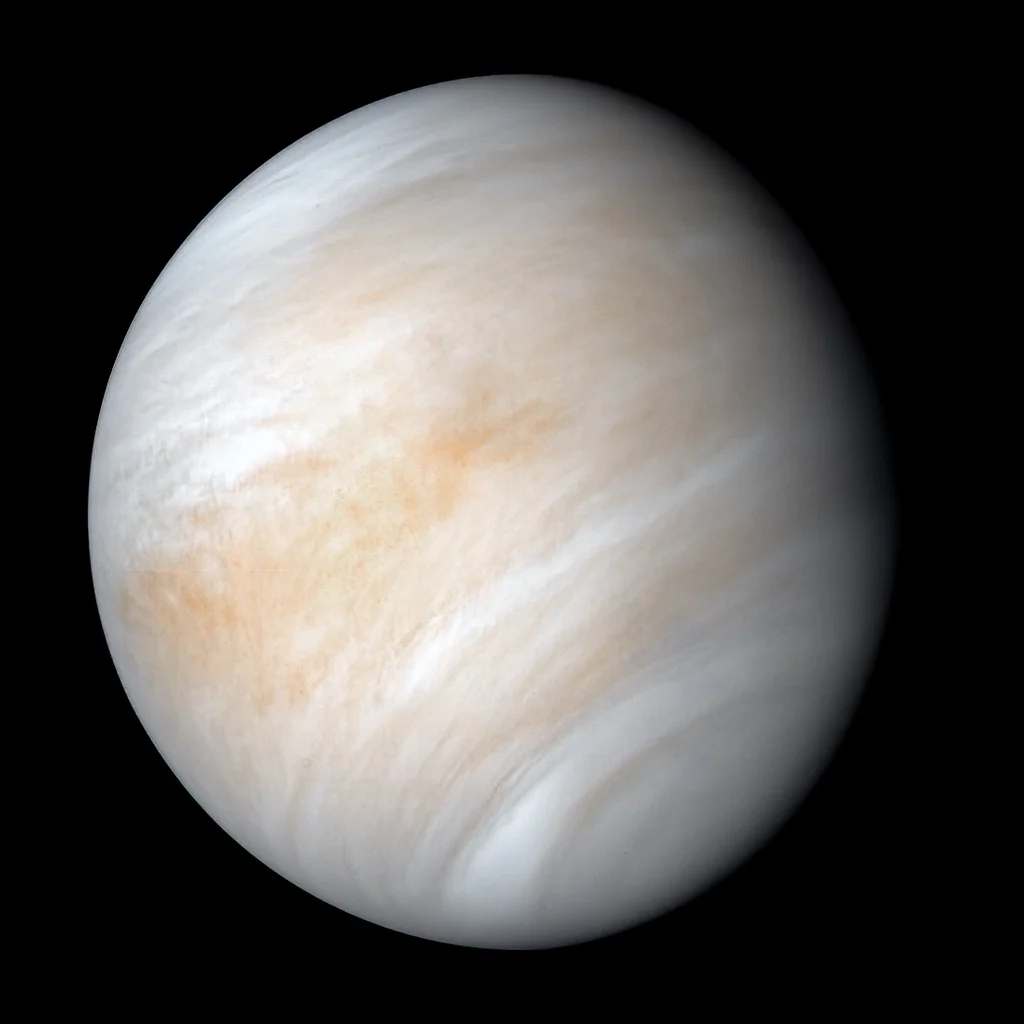
Earth's twin in size — and its opposite in everything else.
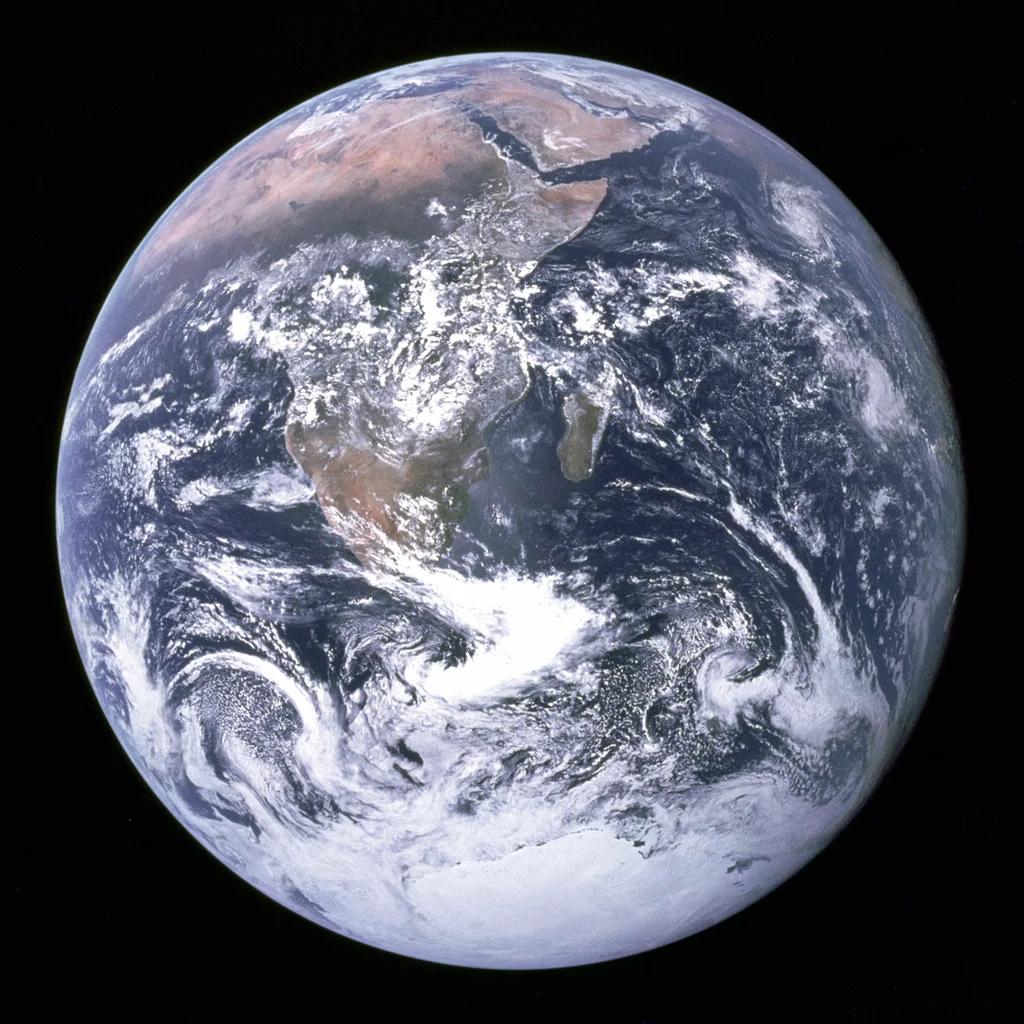
Our home planet — and this journey's reference grain of sand.
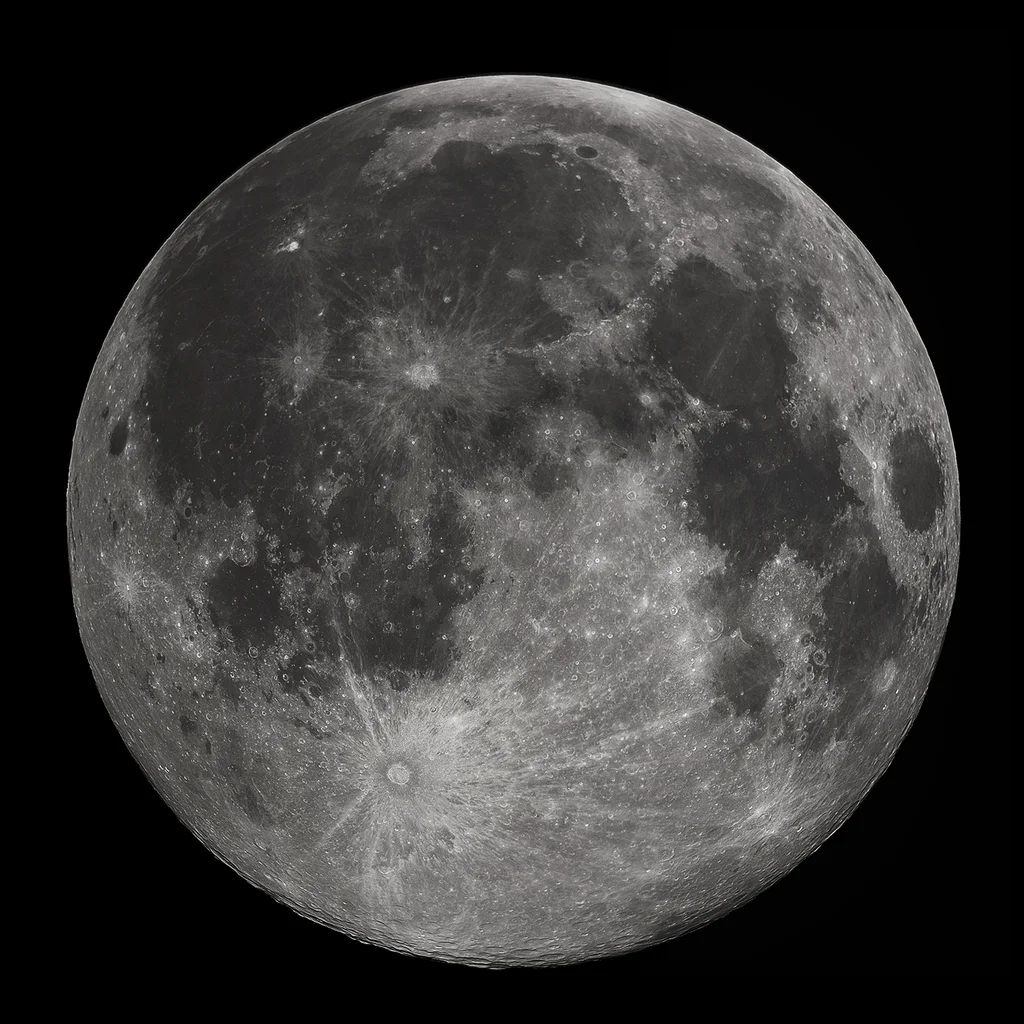
Earth's only natural satellite — and the only other world humans have walked on.
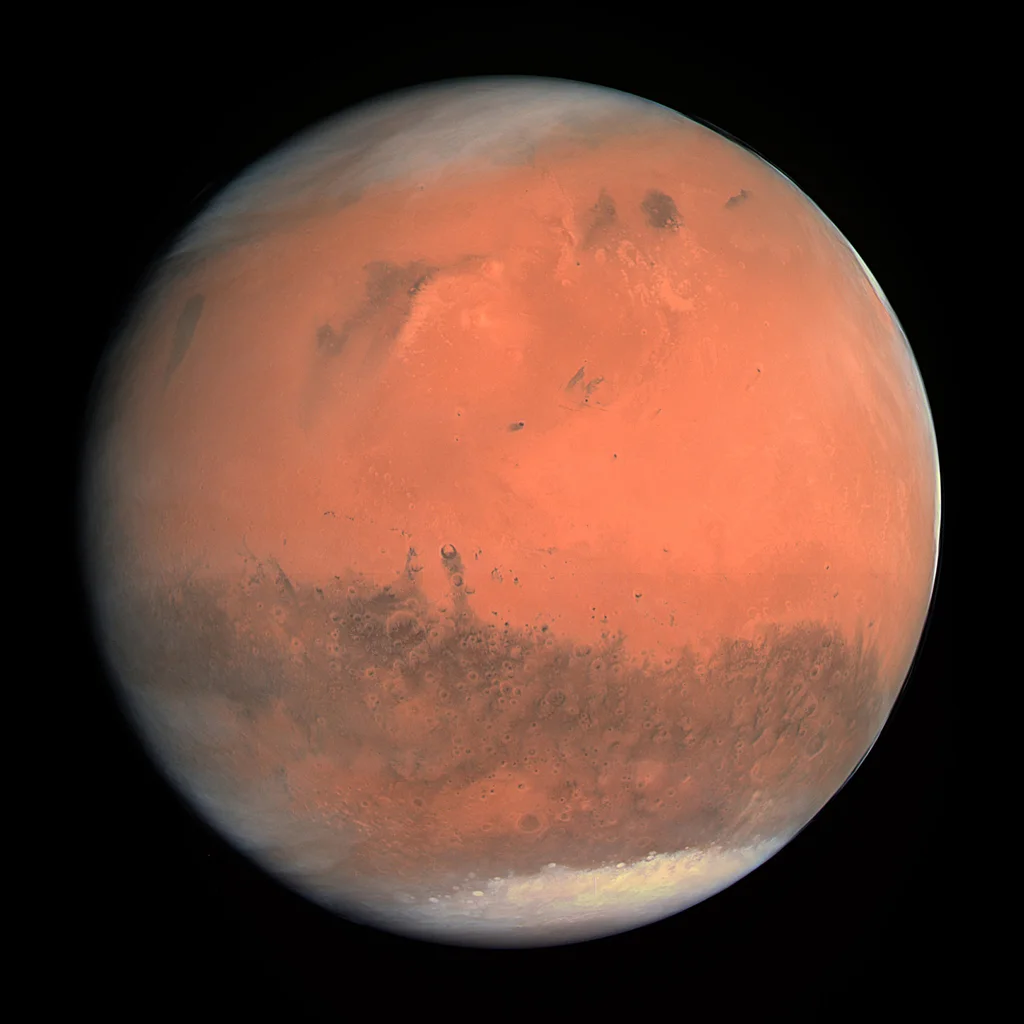
Earth's red neighbour — and our best shot at a second home.
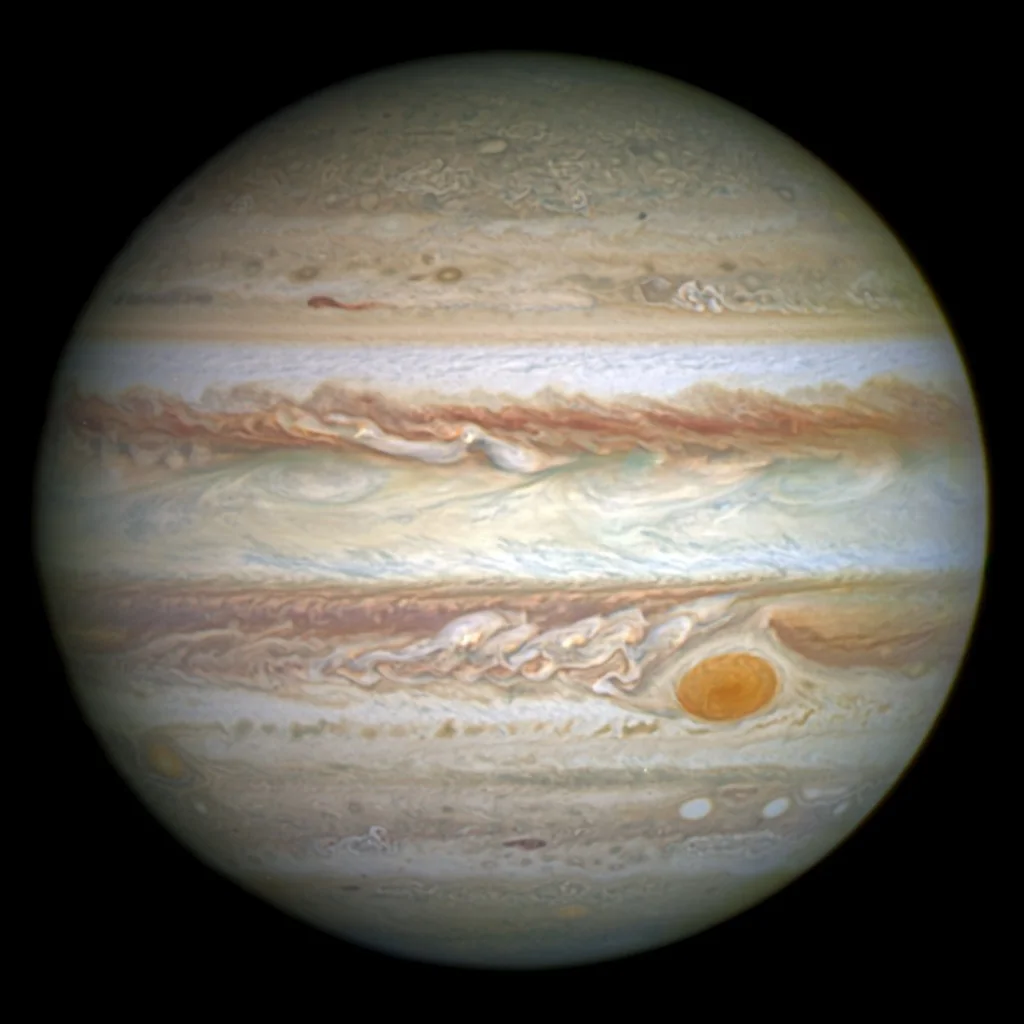
The Solar System's largest planet — heavier than all the others combined.
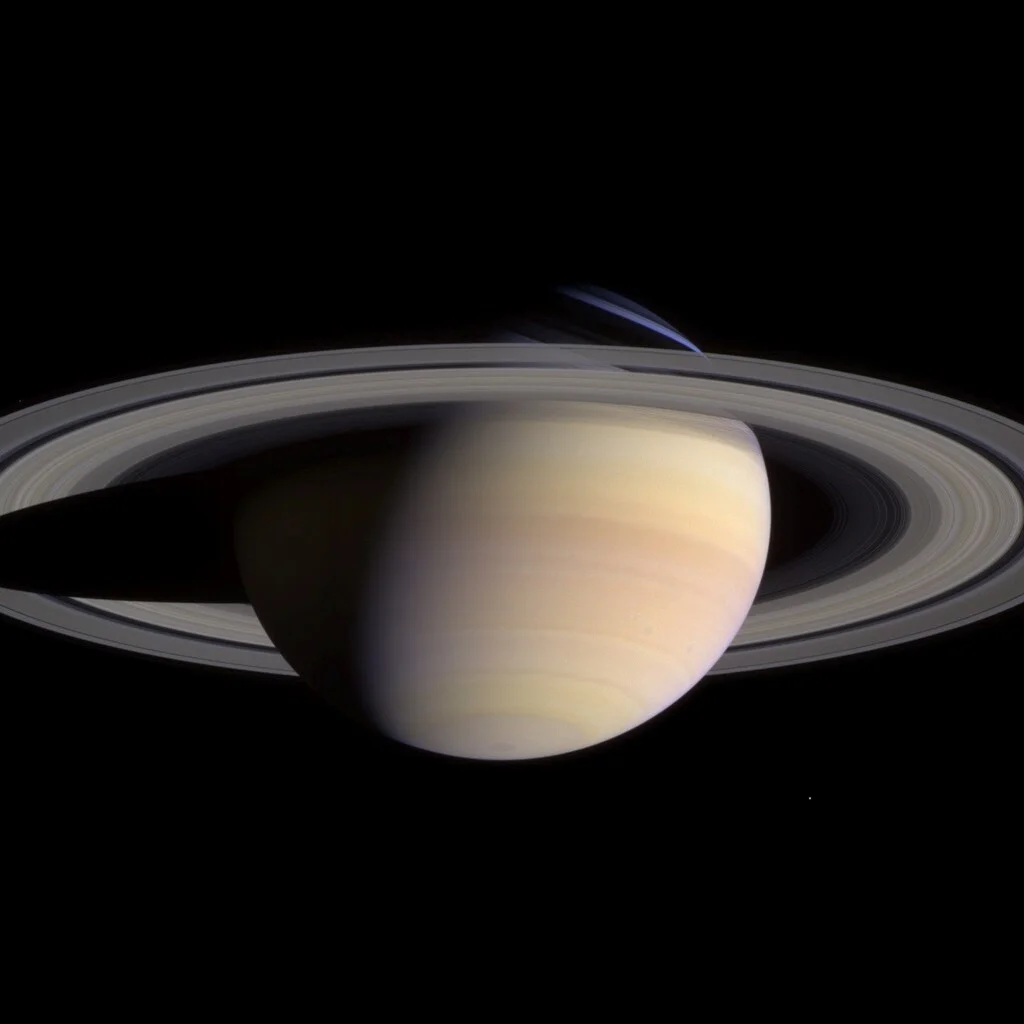
The Solar System's signature image — a gas giant with rings.
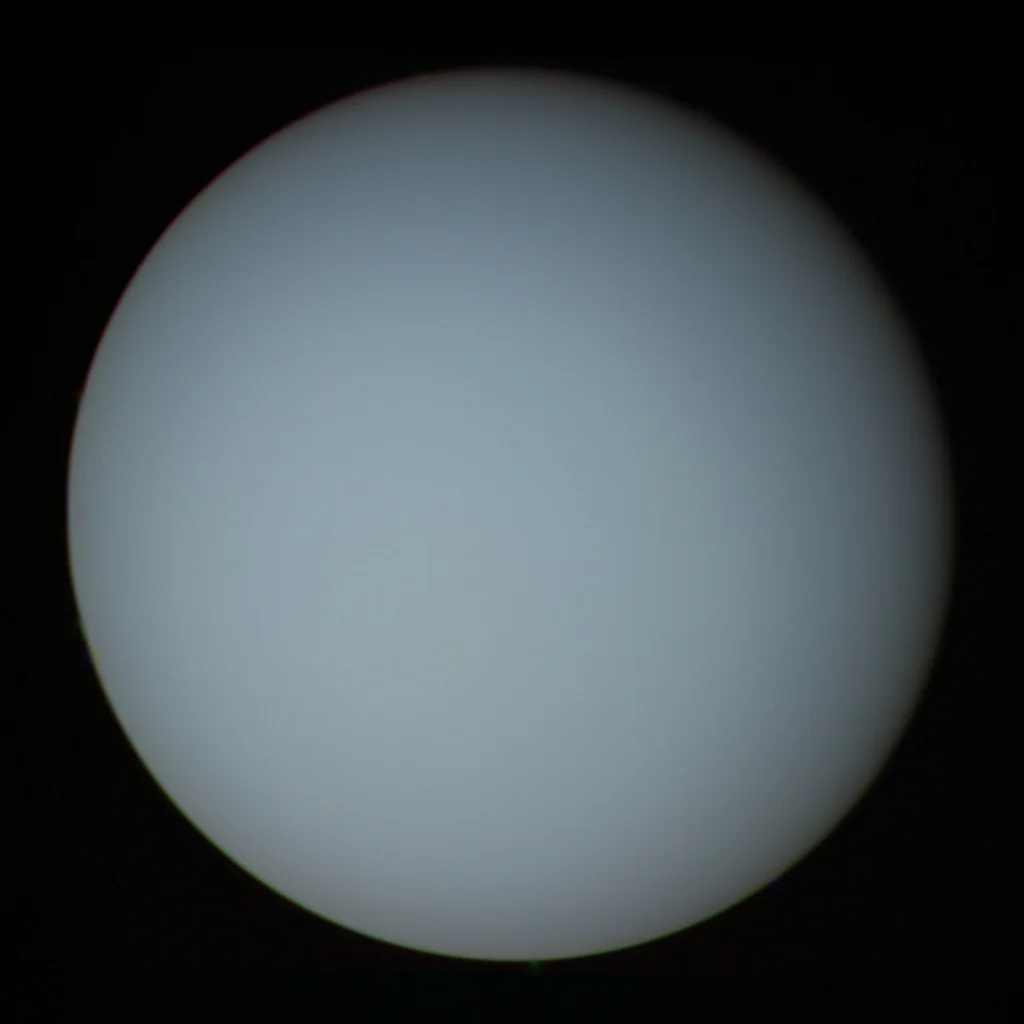
An ice giant tipped on its side.
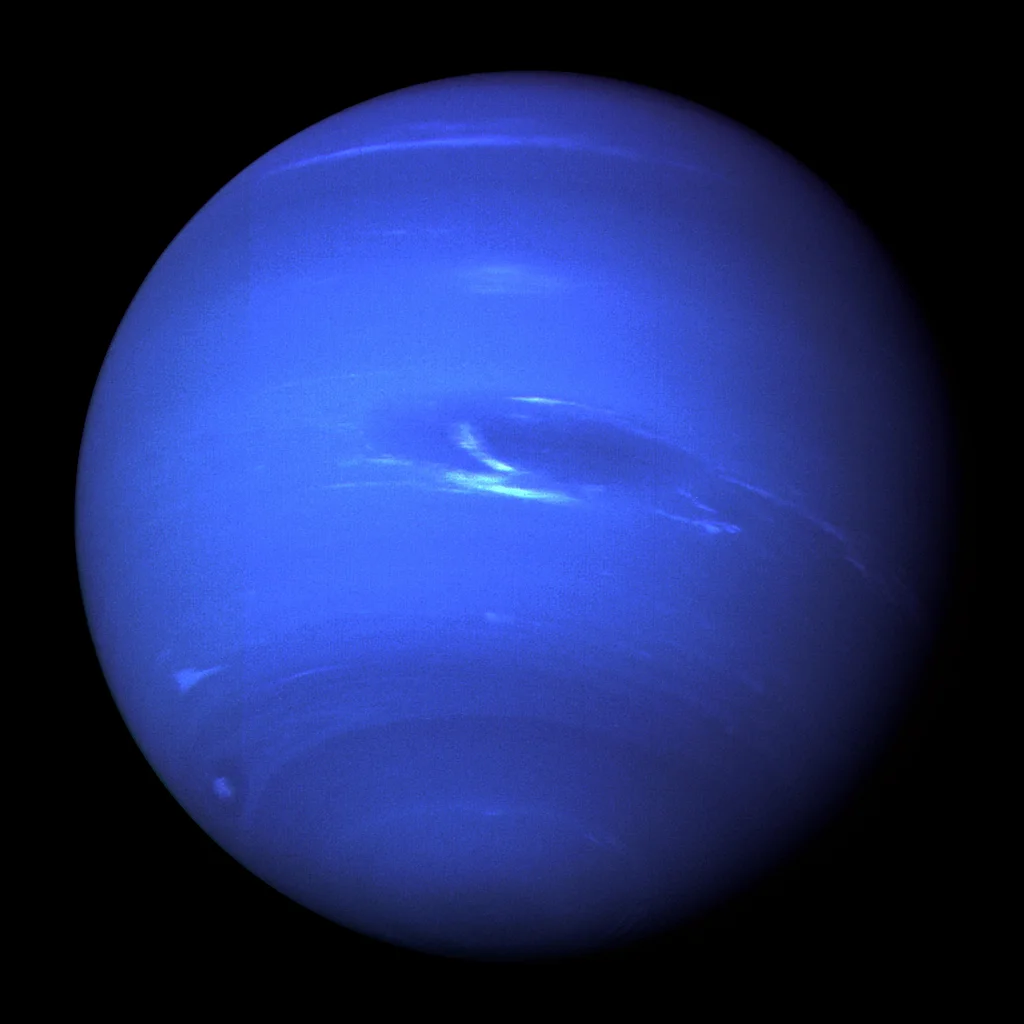
A storm-blue ice giant on the edge of the planetary realm.
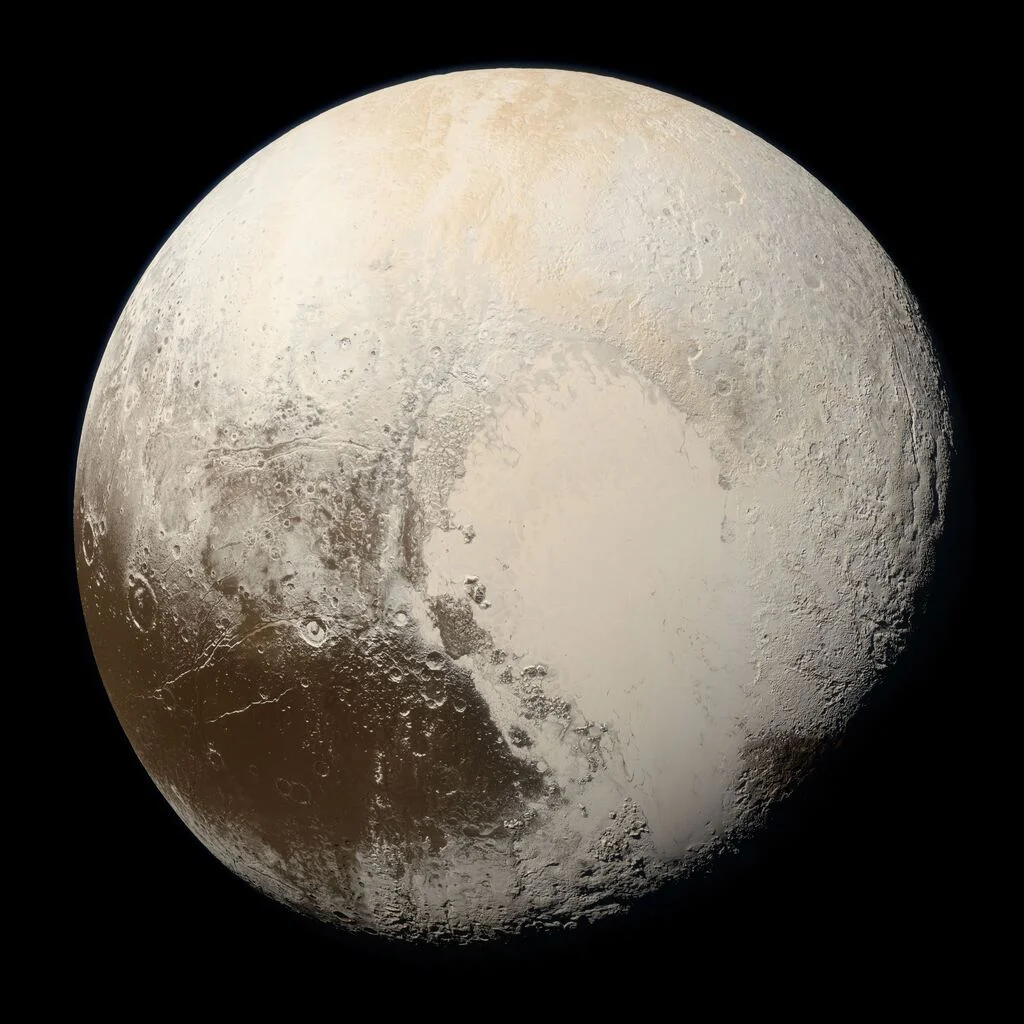
A dwarf planet in the Kuiper Belt — and far more alive than anyone expected.
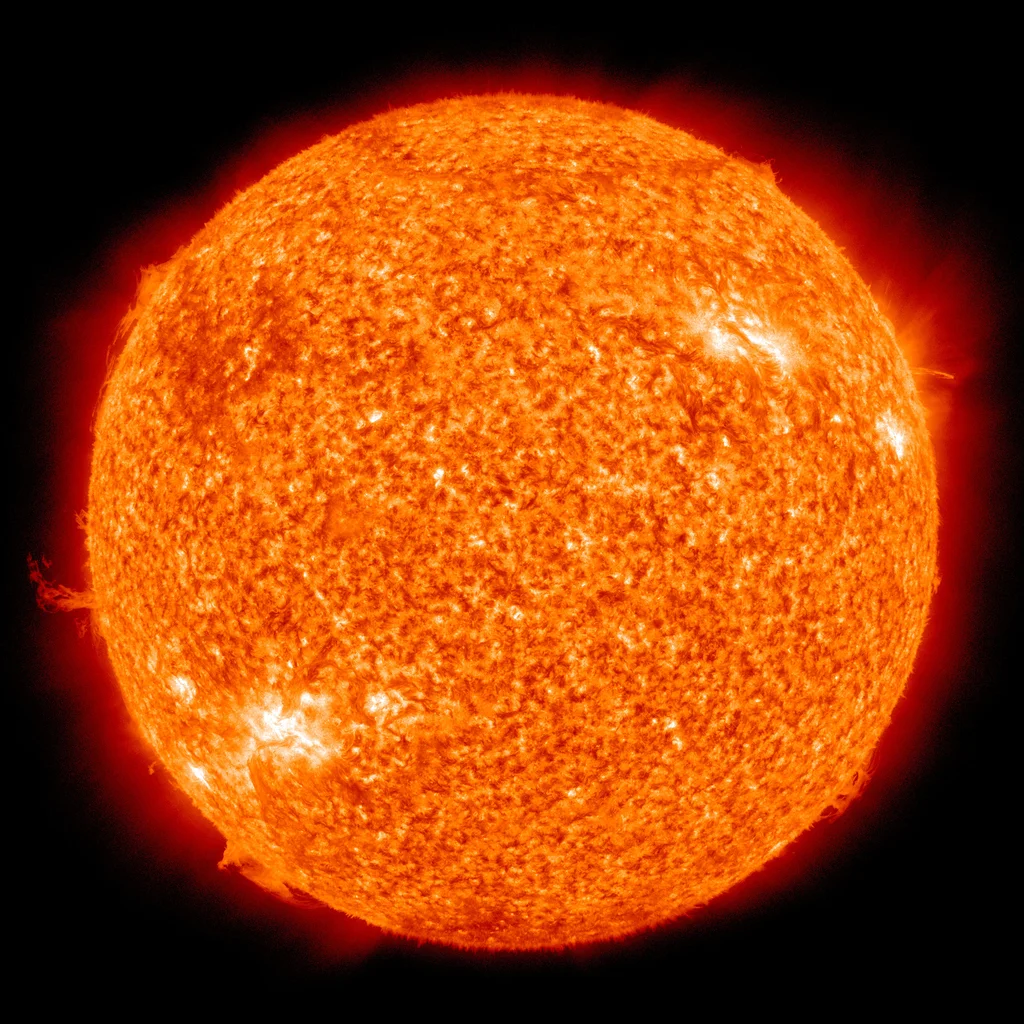
A self-sustaining fusion engine at the heart of our system.